1. The setting and stakes
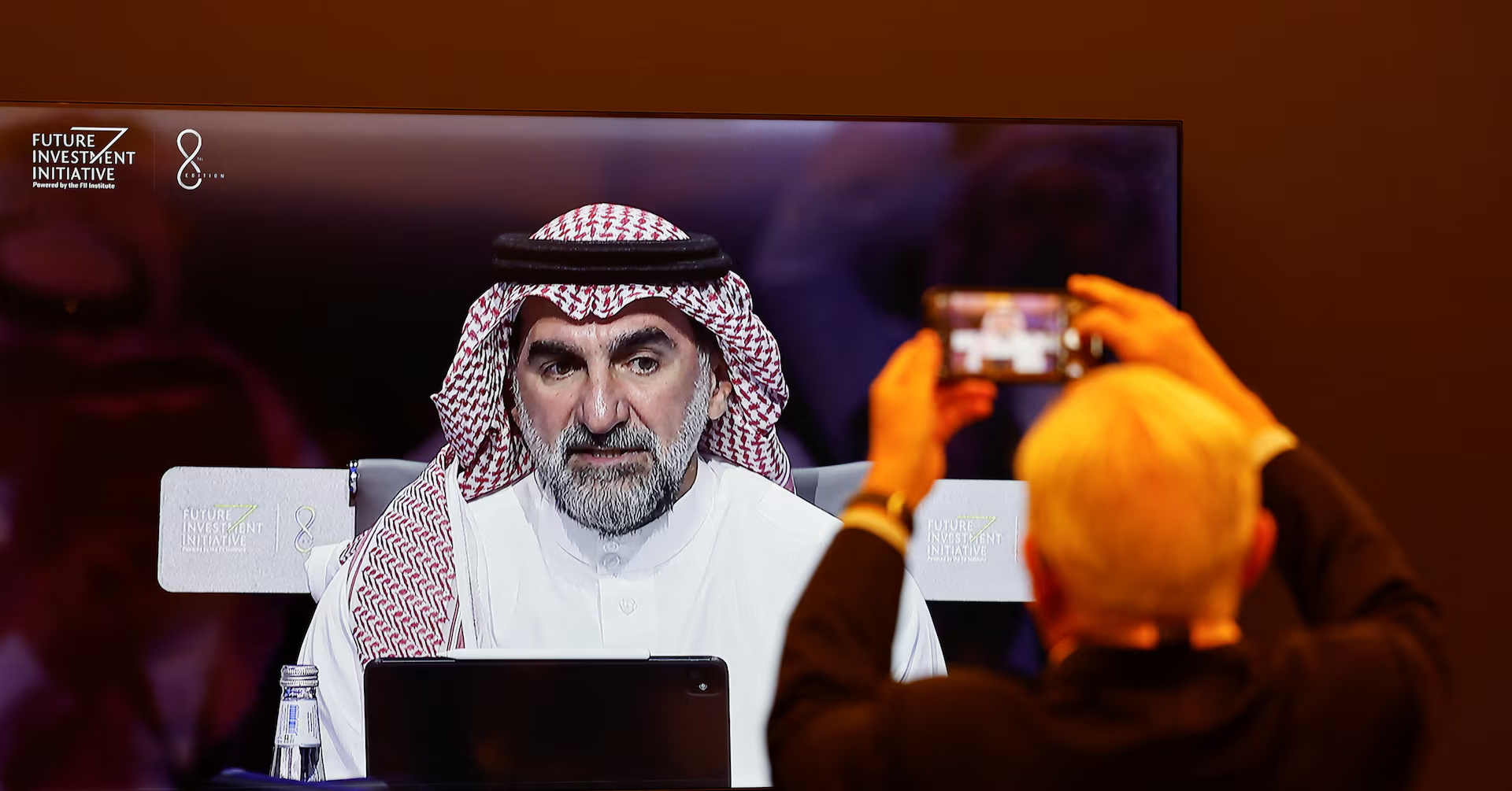
Riyadh, Saudi Arabia – On 28 October 2025, Saudi Arabia launched the ninth edition of its flagship investment conference, the Future Investment Initiative (FII), under the theme “The Key to Prosperity.” Arab News+2Khaleej Times+2 The gathering drew hundreds of global business leaders, heads of state, and institutional investors, setting the stage for major announcements of mega‑projects and artificial intelligence (AI) ambitions.
At stake is far more than deal‑making. The Kingdom is accelerating its transformation under Vision 2030 — the agenda to diversify away from oil and rebuild the economy around investment, innovation, urban growth and technology.
2. Focus on AI: Saudi’s technology pivot
A dominant thread of the conference was AI. The governor of the Public Investment Fund (PIF), Yasir Al‑Rumayyan, opened the event by warning that while many people feel personally optimistic, they are globally anxious about the effect of AI on inequality — “three in four people worry that AI will widen the education gap between developed and under‑developed societies.” Reuters He stressed Saudi’s ambition to make technology work for all, not just the privileged few.
Earlier in the year, in May 2025, Saudi Arabia launched the AI company Humain under the Public Investment Fund, tasked with building large‑scale data centres, Arabic‑language large‑language models (LLMs) and global AI infrastructure. Reuters+1 At the FII, the picture of Saudi Arabia as a global AI hub was reinforced by announcements and partnerships: for instance a planned dual listing of Humain on the Saudi and NASDAQ exchanges within 3‑4 years. Reuters
3. Emerging investment figures and deals
Saudi Arabia touted strong momentum: Al‑Rumayyan noted that in the eight previous editions of FII, the kingdom had secured US $250 billion of deals, and that foreign direct investment (FDI) rose 24% in 2024 to USD $31.7 billion. Reuters These figures underline the ambition: not just occasional deals, but sustained inflows aligned with mega‑projects and long‑term transformation.
4. Urban megaprojects in the spotlight
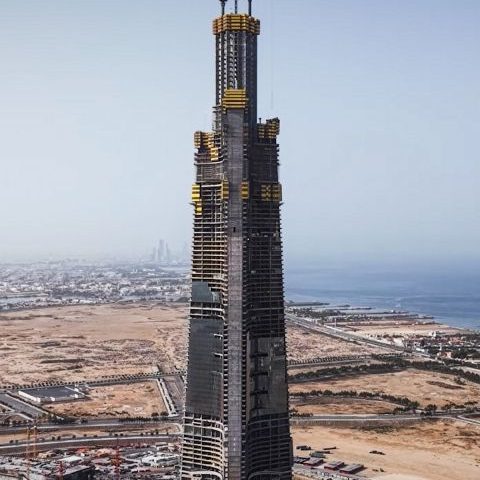
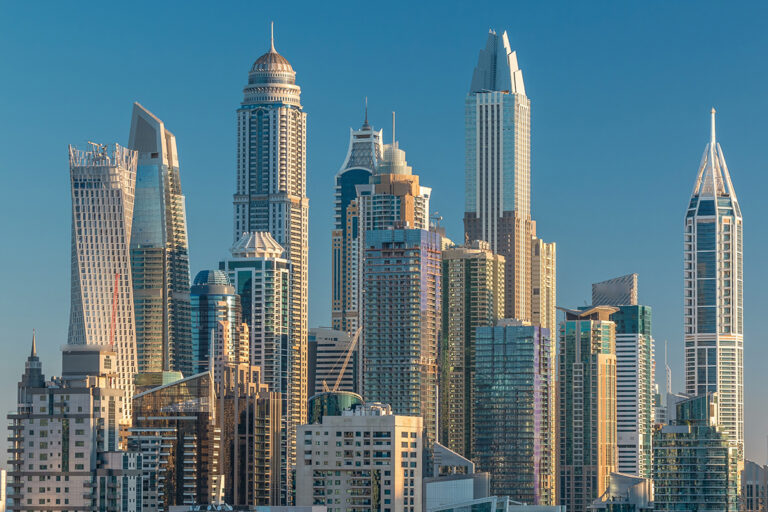
Apart from AI, the conference highlighted Saudi Arabia’s massive urban and infrastructure ambitions. The kingdom is executing large‑scale “giga‑projects” — cities, mixed‑use developments, sustainable urban ecosystems and futuristic compounds. For instance:
- The mega‑project NEOM is often referenced as emblematic of this transformation: a multi‑trillion‑dollar urban ecosystem built from scratch. News.com.au+1
- Urban‑development summits in Saudi show how real‑estate is being redefined by technology, smart infrastructure and mega‑scale projects. eyeofriyadh.com+1
In this conference context, Saudi pushed the narrative that investment opportunities now stretch far beyond oil‑fields and petrochemicals — into urban planning, infrastructure, smart mobility, and built‑environment innovation.
5. Intersection of AI & urban growth
Importantly, Saudi Arabia’s strategy doesn’t treat technology and urban development as separate. The two are deeply integrated: smart cities require AI‑driven data‑platforms, digital‑governance, mobility solutions, sustainable energy, and advanced construction technology. The message at FII was: Saudi Arabia seeks urban‑tech leadership.
For example, sessions at the conference covered topics such as robotics, autonomous systems, AI in construction and digital twins for city planning. The push is toward “future cities” built with smart infrastructure from day one.
6. Geopolitics and global positioning
Saudi Arabia’s investment summit is not only an economic event but a geopolitical signal. By gathering global capital, tech firms, sovereign wealth funds and international leaders, the kingdom wants to position itself as an axis‑point of global investment flows — between the West, Asia, Africa and the Middle East. For example, Chinese Vice‑President Han Zheng was present among high‑level guests. Khaleej Times
Moreover, Saudi Arabia’s push into AI resonates with security‑ and strategic‑tech agendas. By building its own AI base, the kingdom is hedging away from external dependencies and positioning itself for competition in data, tech sovereignty, and future infrastructure.
7. Challenges & caveats
While the ambition is vast, there are significant hurdles:
- Implementation risk: Urban megaprojects often face budget overruns, construction delays, labour‑shortages and environmental issues. NEOM itself has drawn scrutiny. News.com.au
- Capital and oil‑price dependency: Despite FDI growth, the Saudi economy remains sensitive to oil‑price swings, which can impact funding for multi‑year urban and tech projects.
- Human‑capital and talent: Building AI‑capabilities and smart cities requires skilled workforce and ecosystem development; Saudi Arabia must scale education, training and innovation capacity.
- Global norms and credibility: Mega‑projects attract scrutiny on labour‑practices, human rights and governance. Saudi Arabia will need to balance openness with its broader reform agenda.
- Global competition in AI and urban tech: Other regions (US, EU, China, India) are also vying for leadership in AI and smart‑city infrastructure. Saudi Arabia must differentiate and deliver at scale.
8. What to watch
- Deal announcements: Which companies and sectors sign investment deals at FII or shortly after? Especially in AI infrastructure, data‑centres, urban‑tech.
- AI infrastructure roll‑out: How quickly Saudi Arabia deploys AI platforms, large‑scale data centres, Arabic‑language LLMs (via Humain) and talent pipelines.
- Urban project milestones: Progress on key giga‑projects (NEOM, The Line, Sports Boulevard, etc.), infrastructure tenders, construction phases.
- Talent and education metrics: Growth in STEM graduates, AI/data‑analytics professionals, localisation of high‑tech manufacturing.
- Global partnerships: How Saudi Arabia engages foreign firms (Google, AWS, Lenovo, etc.) and balances relationships with major investors and technology suppliers.
- Regulatory environment: How Saudi Arabia’s tech regulation, data‑governance, urban‑planning regulation, and investment climate evolve to support these ambitions.
9. Final thoughts
The opening of the FII 2025 conference signalled that Saudi Arabia is shifting into a new era of investment — one anchored in technology, urban transformation and global partnership. AI is not simply a sector, but a cornerstone of the kingdom’s future economy. Urban megaprojects are more than real‑estate—they are statements of ambition, capability and transformation.
Whether Saudi Arabia succeeds will depend on execution, credibility and global competitiveness. But for now, Riyadh stands centre‑stage in a global investment dialogue—inviting capital, technology and ideas to help build what could become a defining chapter of 21st‑century urban and digital development.