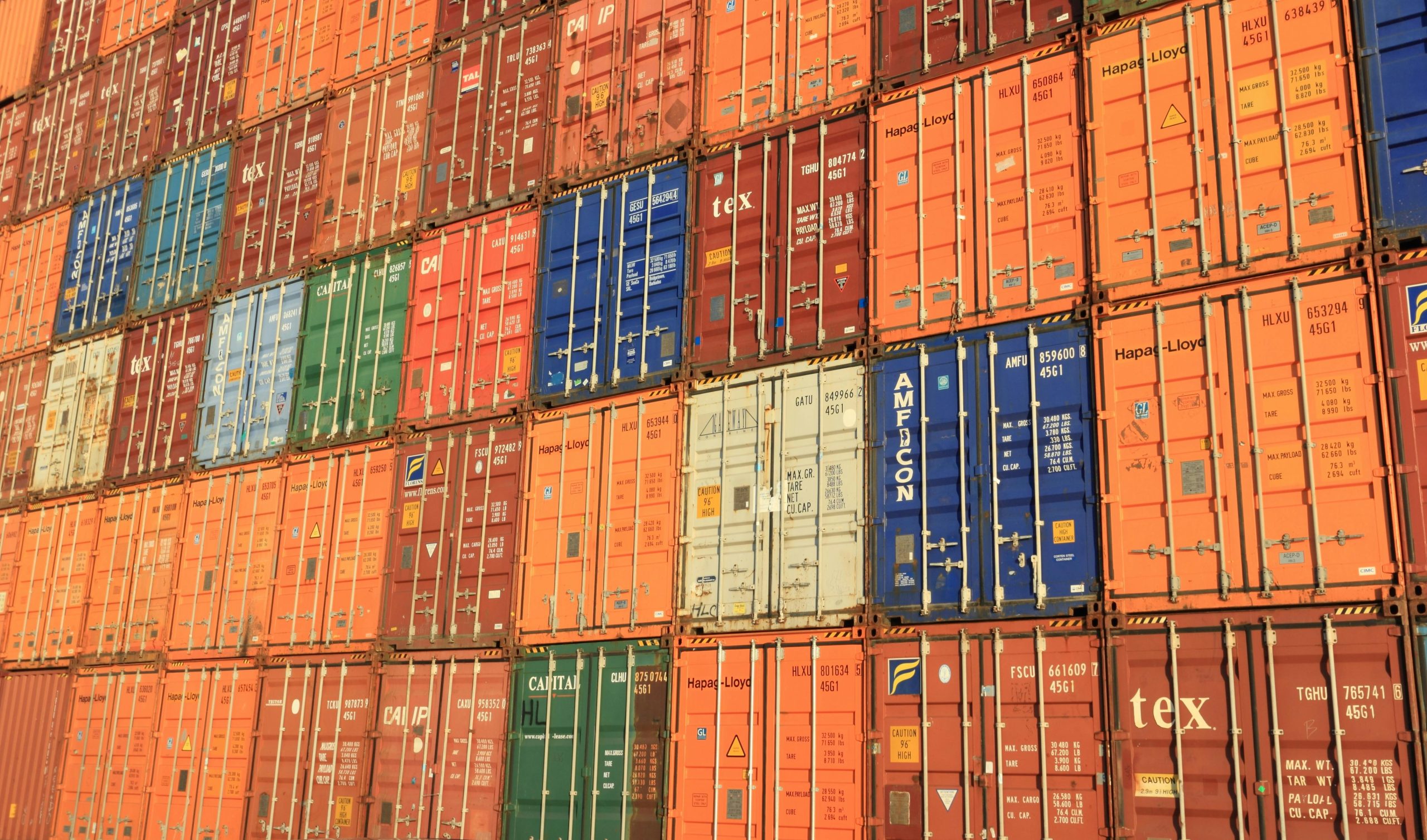
Importing goods from Turkey to Kenya presents excellent business opportunities. Entrepreneurs can access high-quality products at competitive prices. Turkey offers a diverse range of goods, including textiles, machinery, electronics, and farming equipment. However, to ensure a successful import, it’s essential to understand Kenya’s import regulations, select reliable suppliers, and manage logistics and customs efficiently. This guide will break down the import process step-by-step to help your business remain compliant with Kenyan laws and minimize risks and delays.
Understanding Import Regulations
Kenya Import Requirements
To successfully import goods into Kenya, entrepreneurs must comply with the regulations enforced by the Kenya Revenue Authority (KRA) and the Kenya Bureau of Standards (KEBS). The necessary documents include:
- Import Declaration Form (IDF): This form must be filed with the KRA before shipment. It helps determine import duties and ensures customs compliance.
- Commercial Invoice: A detailed invoice that lists the quantity, unit value, total cost, and Harmonized System (HS) code of the goods.
- Certificate of Conformity (COC): Issued by the Pre-Verification of Conformity (PVoC) agent, this document certifies that the goods meet Kenya’s safety and quality standards.
- Packing List: Includes details about the weight, dimensions, and packaging of the shipment.
- Bill of Lading or Airway Bill: Serves as proof of shipment and outlines consignment details, freight charges, and transport methods.
Restricted and Prohibited Goods
Certain goods either require special permits or are completely banned from importation. Examples include:
- Restricted Goods: Pharmaceuticals, used electronics, agricultural products, chemicals, and industrial waste. These require permits or special approvals.
- Prohibited Goods: Counterfeit products, explosives, firearms, narcotics, hazardous waste, and toxic substances are strictly prohibited.
Sourcing Products in Turkey
Turkey is a prime destination for sourcing a wide variety of goods, including textiles, electronics, machinery, and agricultural equipment. To ensure a smooth import process, it is crucial to identify reliable suppliers.
How to Find Reliable Suppliers
Consider these methods for sourcing products in Turkey:
- B2B Platforms: Websites like Alibaba, Turkish Exporters, and TradeKey can help connect you with verified suppliers.
- Trade Fairs and Exhibitions: Participate in events like the Istanbul International Trade Fair to directly meet suppliers.
- Chamber of Commerce & Business Networks: These organizations can help you find trusted manufacturers and suppliers.
Product Quality and Standards
Before purchasing, ensure that products meet both Turkey’s export standards and Kenya’s import regulations. Look for suppliers with certifications like ISO, CE marking (for electronics), or KBS approval if necessary. Request samples to verify product quality before placing bulk orders.
Documentation and Compliance
Essential Import Documents
Importing from Turkey to Kenya requires several key documents:
- Import Declaration Form (IDF) – Filed with KRA before shipment.
- Commercial Invoice – Detailed list of goods with pricing.
- Bill of Lading / Airway Bill – Proof of shipment.
- Certificate of Origin – Confirms the manufacturing country.
- Certificate of Conformity (COC) – Ensures compliance with Kenyan standards.
- Packing List – Details packaging, weight, and dimensions.
- Import Permit – Required for restricted goods like pharmaceuticals or chemicals.
Why Proper Documentation Matters
Incorrect or missing documents can lead to:
- Delays at customs
- Fines or penalties
- Rejection or confiscation of goods
Ensure that all documents match in terms of product details, pricing, and shipping information. Working with experienced freight forwarders and clearing agents can help manage documentation effectively.
Shipping and Logistics
Selecting a Freight Forwarder
A freight forwarder manages logistics and ensures that goods arrive on time. When selecting a freight forwarder, consider:
- Experience with Turkey-Kenya trade routes
- Availability of services like customs clearance, cargo tracking, and warehousing
- Costs and estimated shipping times
- Reputation and customer reviews
Shipping Methods
The best shipping method depends on your product type, urgency, and budget:
- Sea Freight: Cost-effective for bulk items like machinery, furniture, and industrial supplies. Transit time is around 30 to 45 days from Turkey to Mombasa.
- Air Freight: Faster but more expensive, ideal for high-value or perishable goods like electronics, pharmaceuticals, and fashion items. Transit time is 7 to 10 days from Turkey to Nairobi.
Packaging and Labeling Requirements
Proper packaging ensures the safety of your goods during transit and compliance with Kenyan regulations. Use strong packaging materials to prevent damage and clearly label packages with product details, weight, and handling instructions. Follow KEBS guidelines to meet Kenyan import standards.
Cargo Insurance
Cargo insurance protects against damage, loss, or theft during transit. It is essential to get insurance coverage, especially for high-value goods. Consult your freight forwarder or an insurance provider like Jubilee Insurance or CIC Insurance Kenya for suitable coverage.
Customs Clearance in Kenya
Once your goods arrive in Kenya, they must go through customs clearance before being released. This includes verifying documents, assessing import duties, and ensuring compliance with Kenyan standards.
Engaging a Licensed Clearing Agent
A licensed clearing agent simplifies the customs clearance process by:
- Managing the import documentation and ensuring compliance with KRA.
- Facilitating payment of import duties and taxes.
- Coordinating inspections with KEBS and other relevant authorities.
Import Duties and Taxes in Kenya
Kenya applies different duties based on the type of goods being imported:
| Tax/Duty | Rate | Applies To |
|---|---|---|
| Import Duty | 0%, 10%, or 25% | Based on product category |
| VAT | 16% | Applies to most imports |
| IDF | 2% of CIF value | Applies to all imports |
| RDL | 1.5% of CIF value | Funds infrastructure development |
Inspection and Verification
Kenyan authorities may inspect goods to verify compliance with safety standards (KEBS), environmental regulations (NEMA), and customs valuation (KRA). Failing to meet the standards can result in delays, fines, or seizure of goods.
Best Practices for a Smooth Import Process
- Pre-shipment Inspection: Inspect goods before shipping to ensure compliance with Kenyan standards. Work with a PVoC agent for verification.
- Timely Documentation: Submit all required documents ahead of time to avoid delays at customs.
- Work with Reliable Partners: Choose trustworthy freight forwarders and clearing agents with experience in the Turkey-Kenya trade.
- Choose the Right Shipping Method: Select the shipping method that best suits your product type, urgency, and budget.
- Insure Your Shipments: Protect your goods with comprehensive cargo insurance.
- Stay Updated on Regulations: Regularly check for changes in import rules, tariffs, and documentation requirements.
- Efficient Cost Management: Negotiate bulk discounts and compare multiple freight forwarders to manage shipping costs.
Conclusion
Importing goods from Turkey to Kenya offers businesses access to high-quality products at competitive prices. However, the process requires careful planning and attention to detail, including understanding import regulations, sourcing reliable suppliers, managing documentation, and navigating customs clearance. By following the best practices outlined in this guide, you can ensure a smooth and efficient import process.