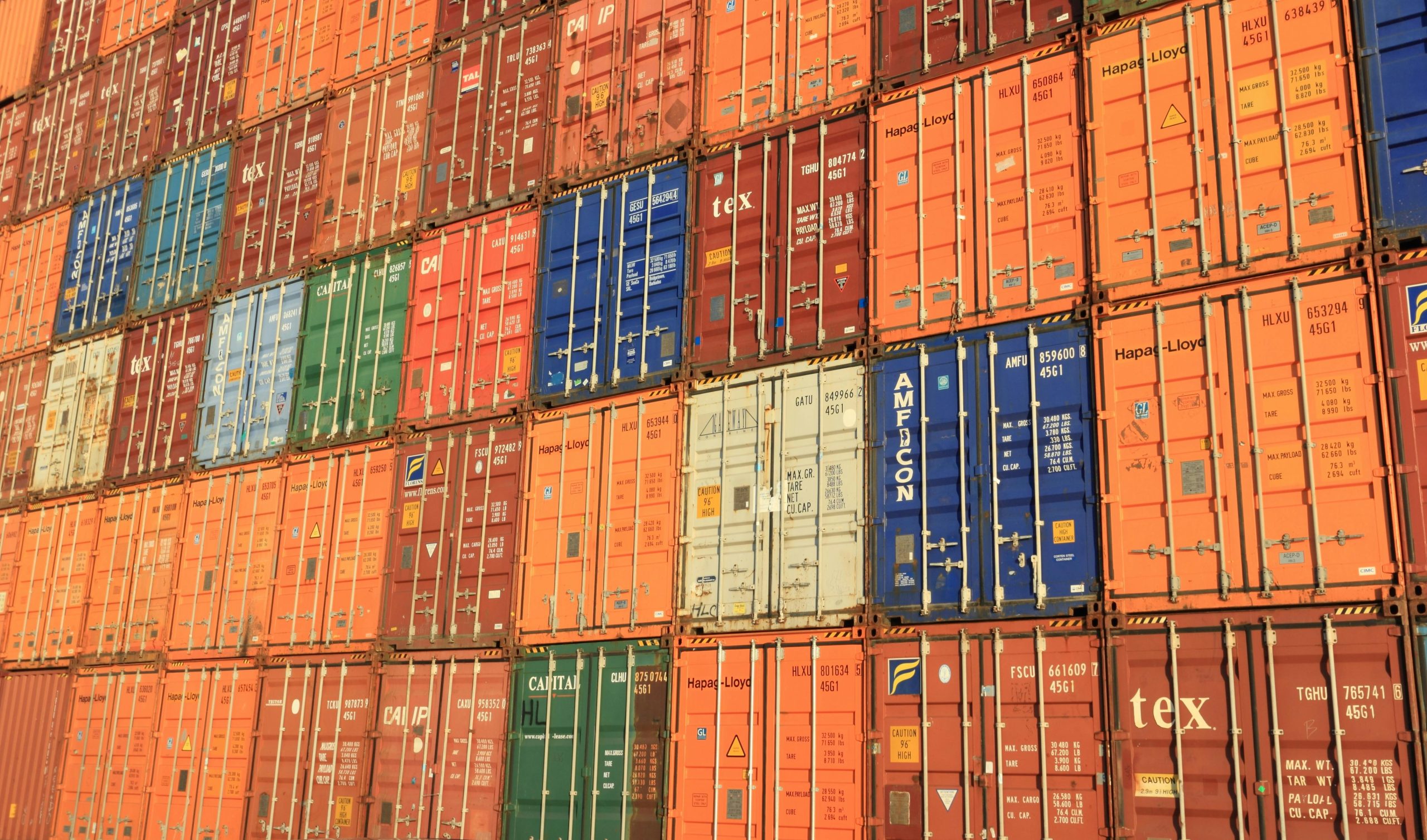
Importing goods from Dubai to Kenya offers significant opportunities for businesses, especially in retail, due to Dubai’s status as a global trading hub. The city provides high-quality products at competitive prices, making it a popular choice for Kenyan importers. However, the import process requires navigating various regulations, paperwork, and logistics, which can be complex without the right guidance. This comprehensive guide will walk you through the essential steps for importing goods from Dubai to Kenya while ensuring full compliance with both Kenyan and international standards.
Understanding Import Regulations
Importing goods from Dubai to Kenya means adhering to Kenya’s customs and import regulations. Understanding these rules is crucial for avoiding delays, fines, or even confiscation of goods.
Kenya Import Requirements
All goods imported into Kenya must meet the following requirements:
- Import Declaration Form (IDF): Mandatory for all imports, issued by the Kenya Revenue Authority (KRA).
- Commercial Invoice: This should list the product details, quantity, unit cost, total cost, HS code, and country of origin.
- Certificate of Conformity (COC): Certain items require this certification from the Kenya Bureau of Standards (KBS).
- Packing List: Contains shipment details such as weight, dimensions, and packaging.
- Bill of Lading (Sea Freight) or Airway Bill (Air Freight): Confirms shipment details and serves as evidence of transport.
Failure to provide the required documents can cause customs delays, additional fees, or even the rejection of shipments.
Restricted and Prohibited Goods
Some goods are either prohibited or require special permits for importation into Kenya:
- Prohibited items: Firearms, narcotics, counterfeit goods, and hazardous materials.
- Restricted items: Pharmaceuticals, used electronics, and agricultural products, which may require additional permits.
Sourcing Products in Dubai
Dubai offers a variety of sourcing options, including manufacturers, wholesale markets, and online platforms. Selecting the right suppliers and ensuring compliance with Kenyan import standards will streamline the process.
Identifying Reliable Suppliers
Here are a few options for finding reputable suppliers in Dubai:
- Dubai Chamber of Commerce: Provides a directory of certified suppliers across various industries.
- Wholesale Markets: Popular locations like Dragon Mart (for common items), Dera Markets (for textiles and electronics), and Al-Aveer Market (for automotive parts) are great for wholesale purchases.
- Trade Exhibitions: Dubai hosts global trade fairs, such as the Gulfood Exhibition and Dubai International Trade Fair.
- B2B Platforms: Websites like Alibaba and Dubizle allow for easy comparison of prices and supplier reviews.
Before entering into an agreement, ensure that you verify the supplier’s business registration and check reviews.
Product Quality and Standards
Ensure that the products meet both UAE export standards and Kenyan import regulations. Request product samples to verify quality and confirm that they meet Kenyan standards before placing bulk orders.
Documentation and Compliance
Proper documentation is essential for smooth customs clearance. Missing or incorrect documents can cause delays or fines.
Key Documents for Importing from Dubai to Kenya
| Document | Purpose | Issuing Authority |
|---|---|---|
| Import Declaration Form (IDF) | Mandatory for all imports | Kenya Revenue Authority (KRA) |
| Commercial Invoice | Lists product details and cost | Supplier/Exporter |
| Bill of Lading/Airway Bill | Confirms shipment details | Shipping Line/Airline |
| Certificate of Conformity (CoC) | Verifies product quality | PVoC Agent (Pre-Verification of Conformity) |
| Packing List | Provides shipment weight, dimensions, and packaging | Exporter |
| Certificate of Origin | Verifies the country of origin | Dubai Chamber of Commerce |
Shipping and Logistics
Choosing the right shipping method and freight service provider is crucial. The best option depends on your cost and delivery time requirements.
Freight Forwarders
A reliable freight forwarder manages logistics, documentation, and customs withdrawal, reducing the risk of delays. Look for a company with experience in UAE-Kenya trade routes and a solid track record.
Popular freight companies include:
- MegaSpeed Cargo (Specializes in air and sea freight)
- Salihiya Cargo (Offers consolidated shipping for cost savings)
Shipping Methods: Air Freight vs. Sea Freight
| Shipping Method | Delivery Time | Best For | Cost |
|---|---|---|---|
| Air Freight | 2–3 days | High-value or urgent goods | Expensive |
| Sea Freight | 7–10 days | Bulk, non-perishable goods | Cost-effective |
Air freight is ideal for urgent shipments, while sea freight is more economical for bulk shipments like machinery and textiles.
Packaging Considerations
Ensure your products are securely packaged to prevent damage and meet international shipping standards. Use durable materials, label clearly with product and destination information, and consider palletization for large shipments.
Customs Clearance in Kenya
After your goods arrive in Kenya, they must go through customs clearance, which involves paying duties and taxes, hiring a licensed clearing agent, and passing inspections.
Hiring a Licensed Clearing Agent
A licensed customs clearing agent is essential for navigating the clearance process. They ensure all documents are in order and assist with the customs declaration.
Payment of Duties and Taxes
Import duties and taxes depend on the product category. Here’s a breakdown:
| Tax/Duty | Rate | Applies To |
|---|---|---|
| Import Duty | 0%, 10%, 25% | Based on product category |
| Value Added Tax (VAT) | 16% | On CIF (Cost, Insurance & Freight) |
| Import Declaration Fee (IDF) | 2% of CIF value | Charged on all imports |
| Railway Development Levy (RDL) | 1.5% of CIF value | Used for infrastructure development |
Clearing Time and Possible Delays
Customs clearance can take between 1 to 5 days, depending on the accuracy of your documentation and whether the shipment is flagged for inspection.
Best Practices for a Smooth Import Process
Following these best practices will help ensure a seamless import experience:
- Pre-shipment Inspection: Ensure goods meet Kenyan standards and match your procurement agreement.
- Timely Documentation: Prepare and submit all necessary documents to avoid delays.
- Choose the Right Shipping Method: Opt for air freight for urgent goods and sea freight for bulk shipments.
- Insurance: Insure your shipment to protect against loss, theft, or damage during transit.
- Stay Updated: Keep track of any changes in import duties, documentation requirements, or restricted goods.
Conclusion
Importing goods from Dubai to Kenya offers great business opportunities. By understanding Kenya’s import regulations, sourcing high-quality products in Dubai, ensuring compliance with all documentation and customs requirements, and choosing the right shipping method, you can minimize risks and delays. Following these steps will help ensure a smooth and profitable import process.