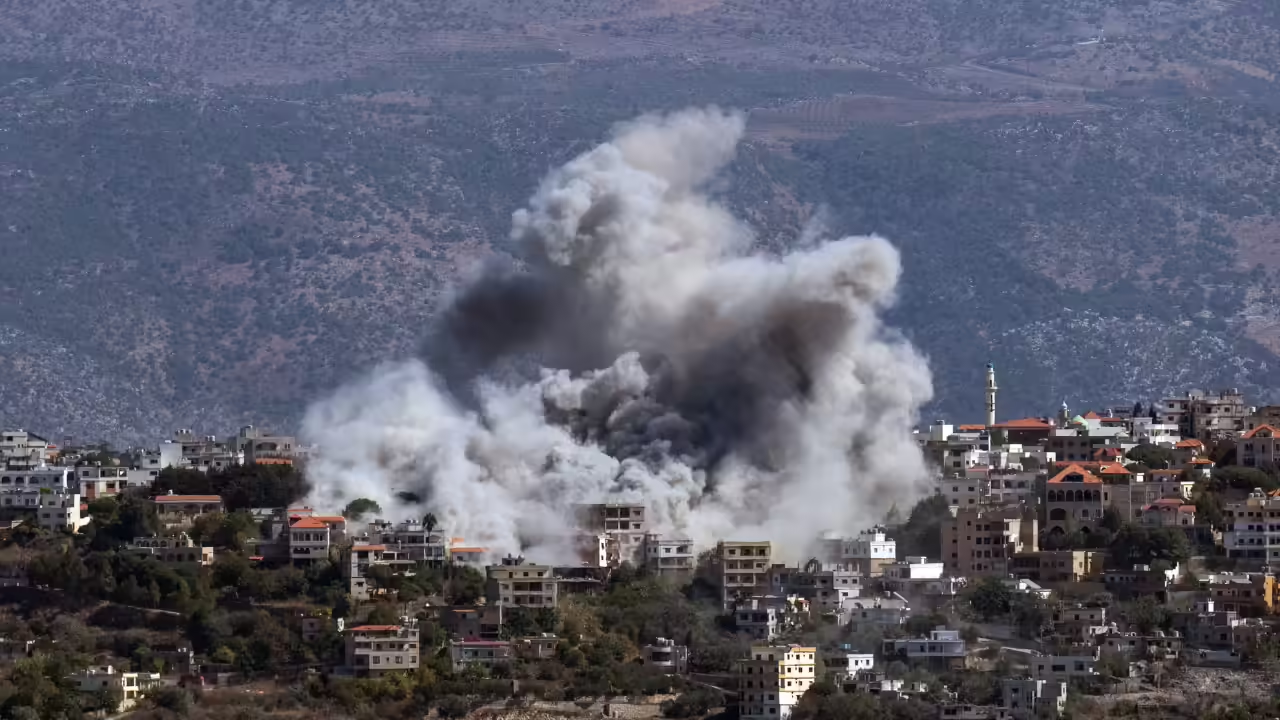
The Iran-Israel conflict has intensified, fueling instability across the Middle East. Recent hostilities highlight the fragile security framework in the region, exposing weaknesses in both nations’ military and defense systems. The conflict stems from a mix of religious, ideological, and geopolitical tensions, alongside Israel’s actions in Gaza and Iran’s support for Palestinian groups.
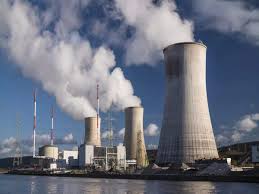
Israel’s preemptive strikes, considered violations of international law, were met with retaliatory measures by Iran, revealing vulnerabilities in its air force and missile systems. Meanwhile, the Arab World’s normalization with Israel and Iran’s anti-Western policies have deepened regional divisions. Both nations’ growing nuclear capabilities exacerbate fears of an arms race and potential large-scale warfare.
Historically, Iran and Israel have experienced fluctuating relations, from initial opposition in 1947 to brief periods of cooperation during Iran’s pre-revolution era. Post-1979, tensions surged, fueled by ideological differences and regional rivalries. Recent attacks, including strikes on Israeli ports and Iranian military targets, demonstrate the escalating scope of the conflict.
Religious divides, with Iran supporting Shi’ite and Muslim interests and Israel promoting Zionist agendas, have played a major role in shaping alliances and hostilities. Proxy wars, involving groups such as Hamas, Hezbollah, and the Houthis, further destabilize the region. Israel frames Iran’s nuclear ambitions as an existential threat, while Iran perceives Western-backed Israeli policies as a direct challenge to regional sovereignty.
Economic sanctions, targeted strikes, and the expansion of nuclear arsenals have intensified the stakes. Recent missile exchanges and cyber incursions underscore the risks of a larger-scale confrontation. Analysts warn that without coordinated international intervention, the Iran-Israel conflict could trigger a wider domino effect, threatening global security.
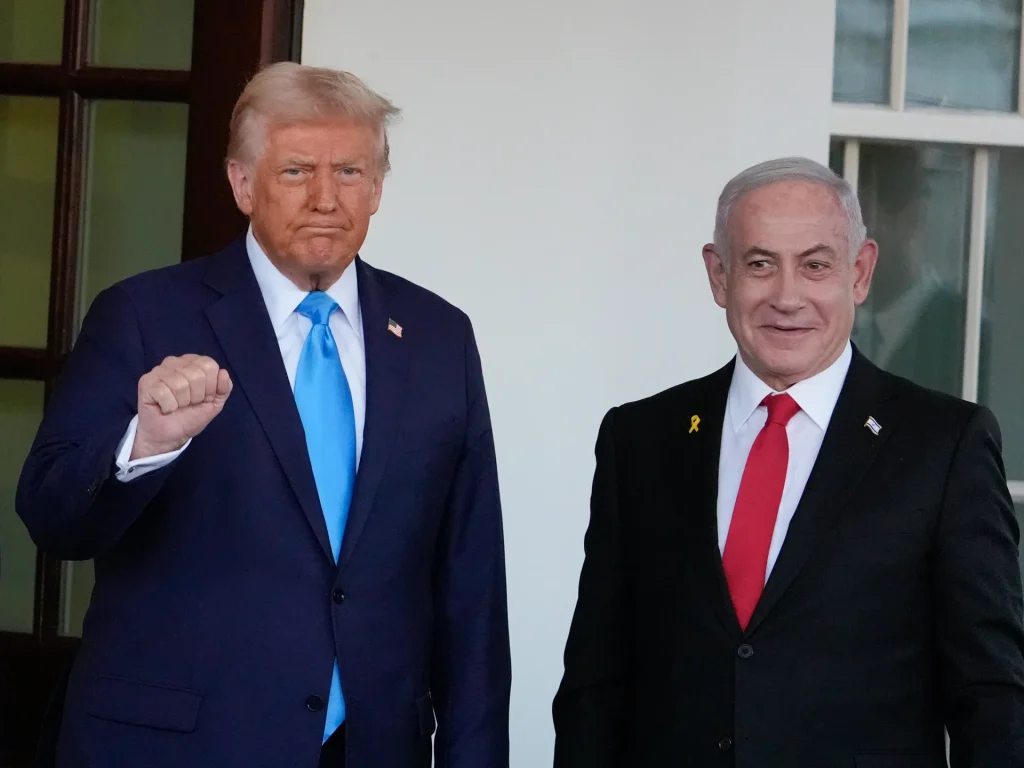
Despite a ceasefire brokered by the United States on June 24, 2025, tensions remain unresolved. Comprehensive diplomatic strategies, regional cooperation, and adherence to international law are essential to prevent further escalation. The Muslim world and global powers must unite to address the humanitarian crisis in Palestine and curtail nuclear threats, ensuring stability in one of the world’s most volatile regions.