The Development of Historic Regions in the Kingdom of Saudi Arabia is one of the nation’s key cultural priorities, reflecting its deep civilizational and historical heritage. This initiative follows a comprehensive strategy based on global best practices for protecting, restoring, and managing historic areas and artifacts. It aims to highlight the Kingdom’s cultural depth, reinforce national identity, and transform heritage sites into cultural, social, and tourism assets.
National Programs for Historic Development
Central to this effort is the Custodian of the Two Holy Mosques Program for the Care of the Kingdom’s Cultural Heritage. The program focuses on rehabilitating historic palaces from the era of King Abdulaziz, developing traditional markets, establishing and enhancing museums, and protecting archaeological artifacts both locally and internationally.
The program also prioritizes the care of Islamic historical sites. This includes documenting and rehabilitating wells linked to the Prophet’s biography, restoring the migration route, registering Islamic sites in the national registry, and preparing areas such as Badr, Uhud, Khandaq, Hudaybiyah, and the Mosque of Allegiance.
Development of Diriyah and Al-Ula
The Diriyah region, the capital of the First Saudi State, has been developed under the Diriyah Gate Development Authority. This project preserves its historic urban fabric while integrating culture, tourism, and modern development. Diriyah today is a symbol of heritage and a major cultural destination.
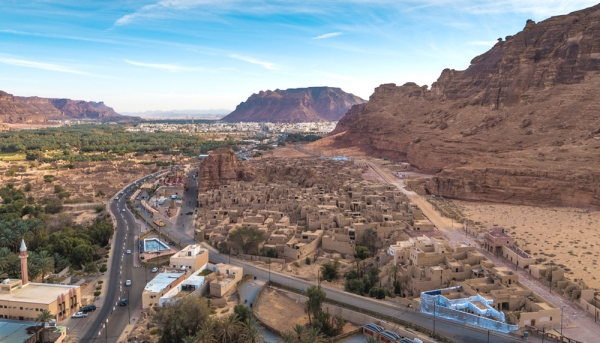
Meanwhile, the Al-Ula region, overseen by the Royal Commission for Al-Ula, represents one of the Kingdom’s most significant archaeological treasures. Home to Hijr (Madain Salih)—Saudi Arabia’s first UNESCO World Heritage site—it features landmarks dating back over 200,000 years, making it a global tourism hub.
Historic Jeddah and Other Initiatives
The Jeddah Historic District Program rehabilitates one of the Kingdom’s most important heritage areas, with 600 heritage buildings dating back to the 7th century. The program, extended in 2024, addresses urban, cultural, and tourism development while safeguarding historic identity.
In addition, several projects are underway in Makkah al-Mukarramah and al-Madinah al-Munawwarah, managed by dedicated authorities to revitalize heritage areas linked to the Islamic tradition.
Restoration of Historic Mosques
The Mohammed Bin Salman Project for the Development of Historic Mosques represents a cornerstone of heritage preservation. In its first phase, 30 mosques were restored while maintaining their original architectural identity. To date, 130 mosques have been rehabilitated, enhancing both cultural heritage and community value across the Kingdom.
Conclusion
The Development of Historic Regions in Saudi Arabia reflects a holistic vision that connects heritage preservation with sustainable growth. Through national programs and strategic initiatives under Saudi Vision 2030, the Kingdom not only safeguards its historical identity but also transforms heritage into a driver of cultural awareness, tourism, and economic development.