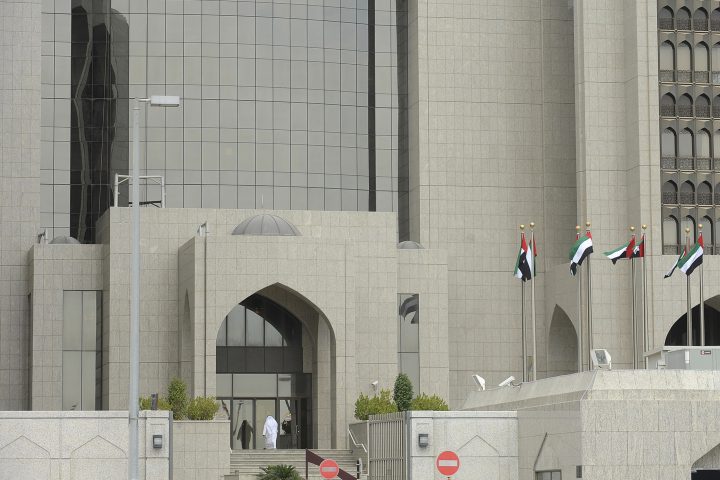
The Capital Market Authority Saudi Arabia (CMA) is the primary government body responsible for regulating and supervising the Kingdom’s capital market. Established under the Capital Market Law of 2003, the CMA plays a crucial role in ensuring transparency, efficiency, and investor protection in securities trading. With its headquarters in Riyadh, the authority strengthens Saudi Arabia’s financial system and supports the broader objectives of Saudi Vision 2030 by promoting trust and stability in financial markets.
Establishment of the Capital Market Authority
The roots of Saudi Arabia’s capital market go back to the 1950s, when trading of shares began informally. By the 1980s, the government introduced foundational regulations to organize securities trading. The CMA was officially established on August 1, 2003, through Royal Decree No. M/30, granting it full financial and administrative independence. The CMA reports directly to the Prime Minister, underscoring its strategic role in national economic development.
Powers and Functions of the CMA
The Capital Market Authority Saudi Arabia has wide-ranging powers that enable it to regulate and develop the securities market. Its key functions include:
- Regulation and development of the capital market to align with international standards.
- Investor protection against unfair practices such as fraud, manipulation, deception, or insider trading.
- Ensuring fairness, transparency, and efficiency in securities transactions.
- Supervising entities involved in trading, issuance, and disclosure of securities.
- Developing risk management measures to reduce volatility and enhance market stability.
- Overseeing the performance of joint-stock companies to ensure proper disclosure and governance.
Through these functions, the CMA not only safeguards investors but also ensures that the Saudi financial market remains competitive and resilient.
Saudi Exchange ‘Tadawul’
The Saudi Exchange (Tadawul) is the only authorized entity for listing and trading securities in Saudi Arabia. Operating as a closed joint-stock company, it is the official source of all market transactions and data. Tadawul is a member of the World Federation of Exchanges (WFE), the Arab Federation of Exchanges (AFE), and an affiliate member of the International Organization of Securities Commissions (IOSCO). Its role complements the CMA by providing a transparent and structured marketplace for investors and companies.
The Securities Depository Center Company (Edaa)
The Securities Depository Center Company (Edaa) is another key institution within the Saudi capital market ecosystem. It is a wholly owned subsidiary of the Saudi Tadawul Group and operates as the sole authorized body for securities depository and registration. Edaa handles:
- Depository and settlement operations for securities.
- Transfer and registration of ownership rights.
- Custody of securities data in compliance with CMA regulations.
This ensures the integrity and accuracy of securities ownership while enhancing market confidence and reliability.
Conclusion
The Capital Market Authority Saudi Arabia has established itself as the cornerstone of the Kingdom’s financial market development. By regulating securities trading, protecting investors, and fostering transparency, the CMA is driving the Kingdom toward becoming a global financial hub. Its cooperation with institutions like Tadawul and Edaa ensures the stability and credibility of the Saudi capital market, making it a vital engine of national economic growth and a central pillar of Vision 2030.