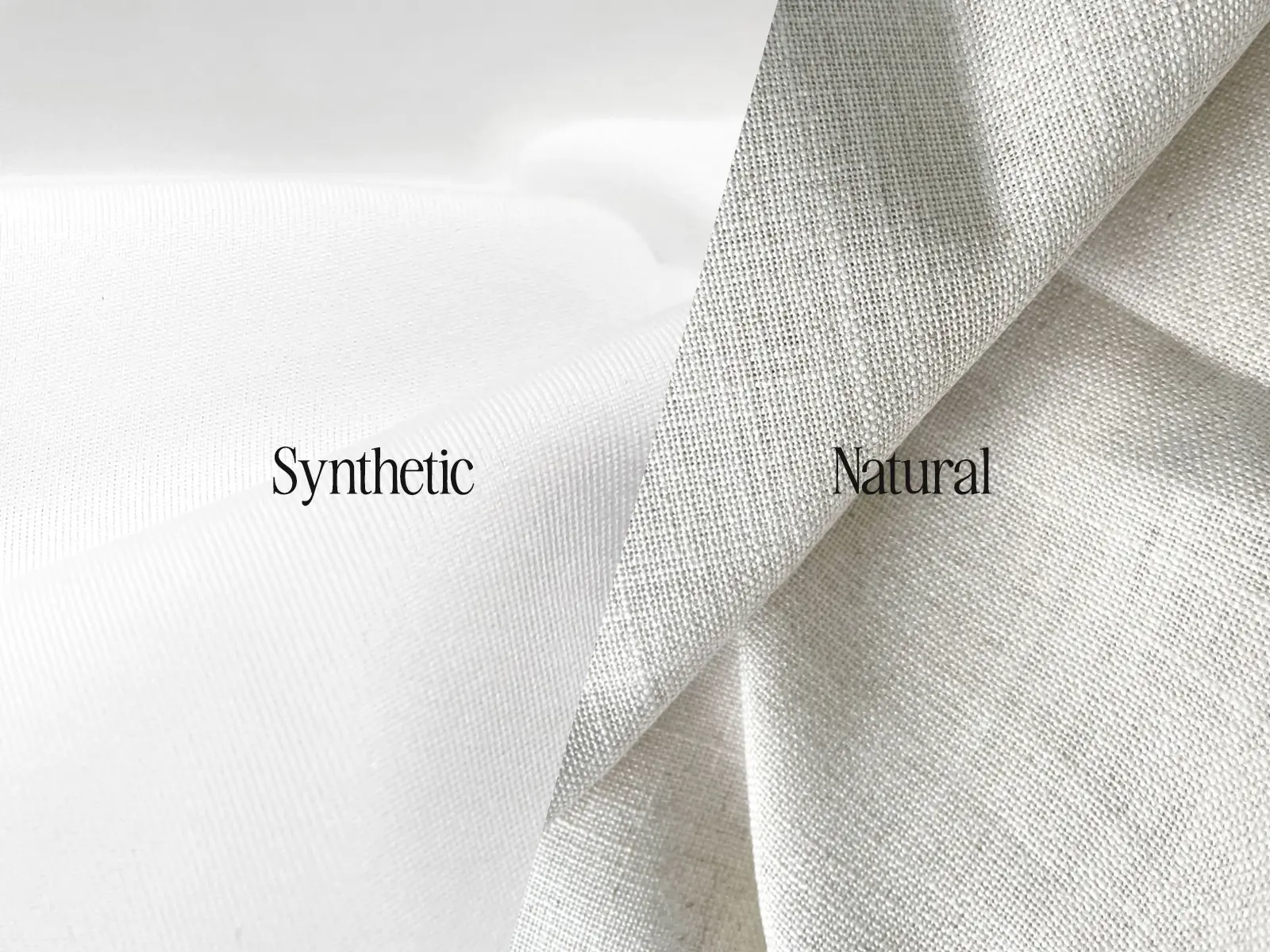
Synthetic vs Organic Fabrics are at the heart of Saudi Arabia’s evolving textile industry, where fashion meets sustainability and cultural heritage. As awareness of climate change and environmental responsibility grows, the debate over fabric choices is becoming central to both designers and consumers.
In Saudi culture, traditional garments often feature organic materials such as cotton, silk, wool, linen, and leather, reinforcing a deep connection to heritage. Hassan Al-Ghaith, owner of Bin Ghaith Textiles in Riyadh, continues his family’s three-generation legacy in organic fibers, producing clothing that reflects historical craftsmanship. He believes that the synthetic revolution has led to disposable clothing, diminishing the value of traditional fashion.
The Rise of Synthetic Fabrics in Saudi Arabia
The emergence of synthetic fabrics like nylon, polyester, and acrylic transformed the global textile market. Initially developed from petroleum derivatives, these materials gained popularity for their affordability, durability, and water resistance. Polyester, for example, costs between $1 to $3 per yard compared to organic cotton’s $6 to $12.
Synthetic fibers also cater to specialized uses, such as firefighting uniforms, because advanced versions are flame-resistant and weatherproof. However, while these fabrics are cost-effective, they introduce hidden environmental challenges, including microplastic pollution and non-biodegradability that persists for centuries.
The Environmental Cost of Fabric Choices
Synthetic vs Organic Fabrics debates in Saudi Arabia often center on sustainability. Organic cotton, though natural, demands enormous water resources — up to 10,000 liters per kilogram. This is a critical concern in a region where water scarcity is a pressing issue.
In contrast, polyester requires only about 25–30 liters of water per kilogram, yet its production emits significant pollutants and its waste remains in landfills indefinitely. Rayon, derived from wood pulp, has its own environmental risks due to toxic processing chemicals.
Saudi Arabia’s Vision 2030 agenda promotes eco-friendly practices, encouraging sustainable fabric production and regulation. The Saudi Standards, Metrology and Quality Organization enforces guidelines to ensure textiles meet health and environmental benchmarks.
Hybrid Fabrics: A Middle Ground?
In response to growing consumer demand, hybrid fabrics like cotton-polyester blends have emerged. These aim to combine the comfort of organic fibers with the strength of synthetics. However, recycling such blends is economically challenging because separating the fibers is complex and costly.
Industry experts like Al-Ghaith acknowledge that modern textile manufacturing has advanced so much that consumers can barely distinguish between certain organic and synthetic fabrics. This creates an added challenge for shoppers trying to make informed, sustainable choices.
Shifting Consumer Trends in Saudi Arabia
Consumer habits are changing, with more people seeking organic fabrics to reconnect with traditional values. Designers like Amwaj Al-Sultan of Waves Area 1 focus exclusively on non-polyester garments, including home robes and dresses, catering to customers who prioritize natural materials.
This movement aligns with a broader sustainability trend in Saudi Arabia, where conscious fashion choices are increasingly tied to cultural pride and environmental responsibility.
The Future of Saudi Textiles
Ultimately, the synthetic vs organic fabrics debate in Saudi Arabia is not a simple matter of cost or durability. While synthetics offer affordability and performance, they come with lasting environmental consequences. Organic fabrics degrade naturally but may require substantial resources to produce.
Certifications like the Global Organic Textile Standard and emerging local eco-labels help ensure environmentally sound production practices. As the industry evolves, the balance between tradition, innovation, and sustainability will shape the future of Saudi fashion.
Whether choosing a cotton thobe or a polyester jacket, Saudi consumers are increasingly aware that their decisions carry both cultural and ecological weight. In the long run, conscious choices — supported by responsible manufacturing — will determine the textile sector’s role in building a sustainable future.