Brussels, Belgium — The European Union (EU) announced that it will restart its border monitoring mission at the Gaza-Egypt frontier on October 15, citing the need to ensure security, facilitate humanitarian access, and monitor movements amid ongoing tensions in the region. The decision follows months of diplomatic coordination between the EU, Egypt, and Palestinian authorities to restore international oversight at this critical crossing point.
Background of the Mission
The EU has maintained a border monitoring presence in the region in various capacities for years. The mission focuses on observing the movement of people and goods, providing reports on border activities, and supporting humanitarian organizations in accessing the Gaza Strip.
The Rafah border crossing, linking Egypt and the Gaza Strip, is the main entry and exit point for goods and individuals when other crossings are closed. It is crucial for the delivery of essential supplies, including food, medicine, and fuel, to the Gaza population of over 2 million people.
The monitoring mission had been suspended temporarily due to security concerns and the COVID-19 pandemic. Now, as regional tensions persist, EU officials stress the importance of reestablishing oversight to prevent human suffering and support stability.
EU’s Objectives
The European Union’s main goals for the mission include:
- Ensuring Transparency: Observers will monitor all border operations to provide independent reporting on the movement of people and goods.
- Supporting Humanitarian Efforts: By monitoring the crossing, the EU hopes to facilitate safe and consistent delivery of essential aid.
- Reducing Tensions: The presence of international observers aims to deter unilateral measures and improve communication between parties.
- Promoting International Standards: The EU emphasizes adherence to international human rights and humanitarian norms at the border.
According to EU spokesperson Pierre-Emmanuel Bianchi, “The resumption of monitoring at Rafah is vital for humanitarian coordination and regional stability. Our teams will ensure transparency and impartiality in reporting border activities.”
Context of the Gaza Situation
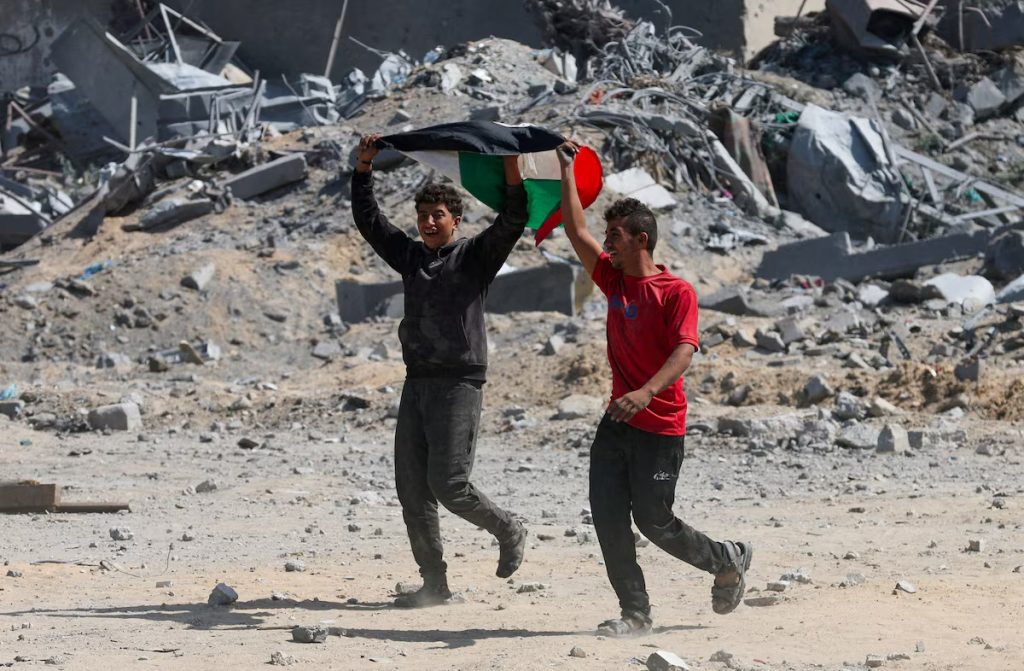
Gaza has experienced periodic closures and restrictions due to political, security, and economic concerns. The territory is governed by Hamas, which has been in a prolonged conflict with Israel, and borders with Egypt remain a lifeline for the population.
In recent months, the Rafah crossing has faced closures due to political tensions between Egypt, Israel, and Palestinian authorities. Limited access has contributed to shortages of essential supplies, restricted movement of patients seeking medical treatment abroad, and delayed the entry of humanitarian workers.
Humanitarian agencies have consistently called for sustained international monitoring and coordination to prevent further crises. The EU’s return is seen as a response to these calls.
Operational Details of the Mission
EU observers will be deployed to Rafah in shifts, ensuring 24-hour monitoring of the crossing. Teams will report on:
- Number of people entering and leaving Gaza.
- Types and quantities of goods crossing the border.
- Compliance with humanitarian standards.
- Incidents of potential human rights violations.
The mission will also coordinate closely with Egyptian authorities, Palestinian officials, and international aid organizations to streamline procedures and improve efficiency at the border.
“The mission will be strictly neutral. Our role is to observe and report, not to enforce regulations,” said Bianchi. “We are committed to impartiality and operational transparency.”
Coordination with Egypt and Palestinian Authorities
Egyptian authorities have welcomed the EU’s return, noting that international presence contributes to border security and efficient operations. Egyptian border officials will work with EU observers to ensure smooth functioning of Rafah, especially during peak crossings of patients, students, and aid convoys.
Palestinian authorities have also expressed support. They view the mission as a critical measure to ensure that the flow of people and goods is fair and consistent, particularly given past incidents of congestion and delays.
Humanitarian Implications
For the people of Gaza, the EU mission’s restart carries tangible humanitarian benefits. Over 2 million residents rely on the Rafah crossing for essential goods and medical treatment. NGOs operating in Gaza will now have improved oversight of their shipments, reducing delays and ensuring aid reaches those in need.
“International monitoring helps us coordinate deliveries, reduce bureaucracy, and prevent shortages,” said Fatima Al-Sayed, a local NGO coordinator. “It gives us a clear picture of how aid reaches the population.”
Medical patients who require travel to hospitals abroad are also expected to benefit. The EU mission will track and report on special cases, aiming to prevent unnecessary delays or denials at the border.
Regional and Political Significance
The Rafah crossing is not only a humanitarian corridor but also a political touchpoint. Its operation is closely linked to Egyptian foreign policy, Palestinian internal governance, and broader Middle East diplomacy.
The EU’s monitoring mission is seen as a stabilizing factor in a complex political environment. By providing independent oversight, the mission can reduce tensions among stakeholders and encourage adherence to agreed protocols.
Experts argue that transparent monitoring may also discourage unilateral border closures, smuggling, or other actions that could escalate conflict.
Challenges Ahead
Despite its planned restart, the EU mission faces several challenges:
- Security Risks: The volatile security situation in Gaza and border areas may affect operations. Observers will need protective measures and contingency plans.
- Political Sensitivities: Coordination with multiple authorities requires careful navigation of political interests and local dynamics.
- Operational Constraints: Limited infrastructure at Rafah may slow monitoring activities, especially during peak periods.
EU officials acknowledge these challenges but emphasize that proper planning and collaboration with local authorities will mitigate risks.
Reactions from the International Community
The United Nations and various international NGOs have welcomed the EU’s decision. UN representatives highlighted the mission’s role in safeguarding humanitarian access and ensuring transparency at a politically sensitive border.
Several donor countries also praised the EU for resuming oversight, noting that reliable monitoring can support more effective aid distribution and help prevent regional instability.
“The EU’s presence will provide confidence to humanitarian actors and affected communities,” said a UN official. “It reinforces the principle that international engagement is essential in conflict-affected areas.”
Looking Ahead
Observers expect that the EU mission will remain active for several months, with periodic evaluations to assess its effectiveness. Reports generated by the mission will inform both EU policymaking and international humanitarian strategies.
Residents and aid workers in Gaza hope that consistent monitoring will improve access to resources and reduce bottlenecks at the crossing. Analysts suggest that transparent border operations could contribute to broader regional stability and foster dialogue among stakeholders.
Conclusion
The EU’s decision to restart its Gaza-Egypt border monitoring mission on October 15 represents a significant step in addressing humanitarian and political challenges in the region. The mission aims to ensure transparency, facilitate aid delivery, and provide impartial reporting on border activities.
While security and political complexities pose challenges, the mission offers hope for improved access to essential services and greater stability for Gaza’s population. Cooperation between the EU, Egyptian authorities, and Palestinian officials will be crucial for success.
As the mission resumes, international organizations, local authorities, and residents will closely monitor its impact. The coming months will reveal how effective EU oversight can be in maintaining a secure and functional border while supporting humanitarian needs in one of the world’s most sensitive regions.