How digital reviews are reshaping accountability in Dubai healthcare
In an era where public services are increasingly scrutinized through digital platforms, a recent online review has sparked discussion around service delivery standards within Dubai’s government healthcare system.
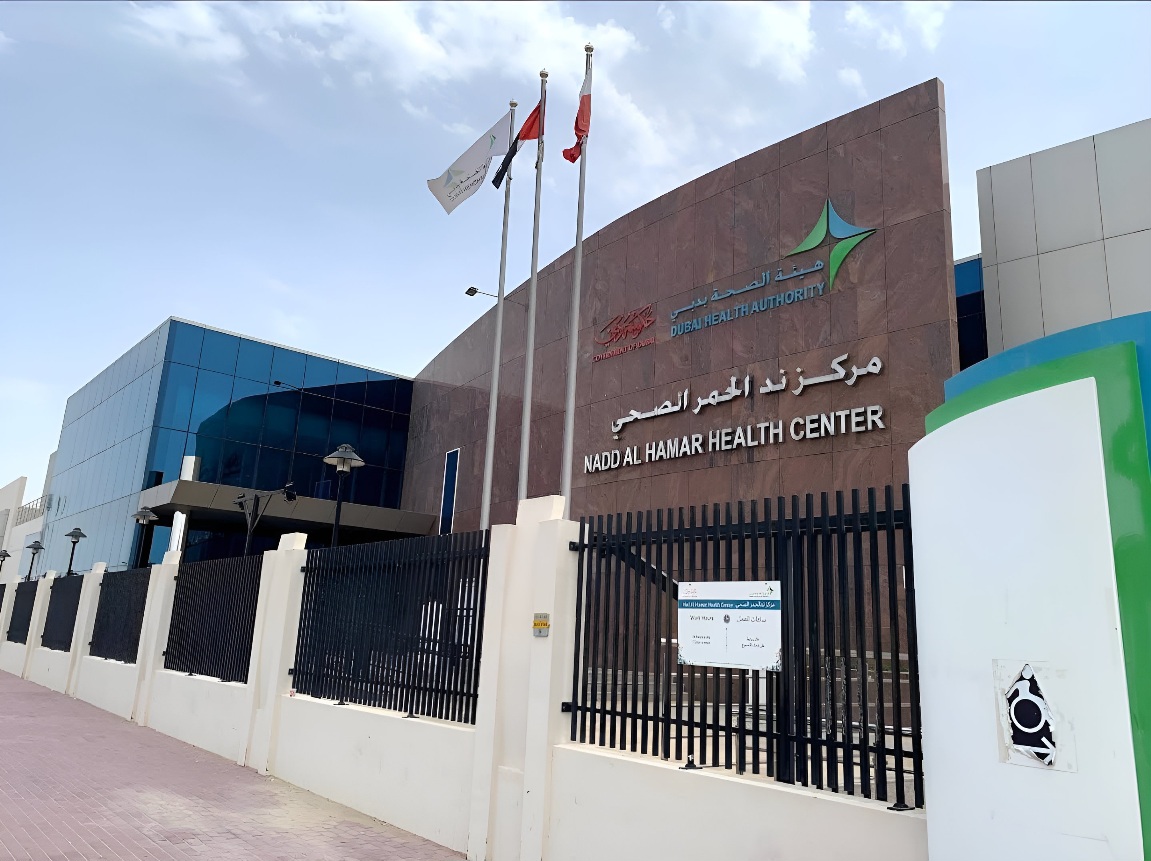
Mwebya Fred Peregrino, a Google Local Guide, shared a detailed account of his experience at Nadd Al Hamar Health Center, a government-run facility under Dubai Health. His feedback, posted publicly on Google Reviews, offers insight into both after-hours pharmaceutical services and daytime clinical operations.

A Late-Night Visit
According to Peregrino, his first visit occurred close to midnight when he sought an infection-prevention medication. While the city was largely inactive at that hour, he reported that the health center’s pharmacy was fully operational. He described staff as attentive, calm, and professional, noting the absence of rushed or impersonal service often associated with late-night healthcare visits.
Rather than portraying the encounter as transactional, Peregrino emphasized what he perceived as genuine human engagement. His account suggests that even during off-peak hours, service delivery remained structured and patient-focused.
Daytime Operations Under Pressure
Expecting a different experience during peak hours, Peregrino returned for a daytime vaccination. He acknowledged the typical challenges of busy healthcare facilities such as high patient volumes and administrative pressure. However, he reported that the reception team maintained orderly coordination, clear communication, and visible professionalism.
He highlighted efficient check-in processes, staff maintaining eye contact, and smooth transitions between departments. His description framed the visit as well-organized, contrasting with the disorder often associated with public healthcare facilities in fast-growing urban centers.
Institutional Response
Dubai Health, responding through its verified account, acknowledged the review and thanked Peregrino for his feedback. The institution reaffirmed its commitment to patient-centered care, stating that the staff’s professionalism, coordination, and empathy reflect organizational standards.
In its response, Dubai Health indicated that the feedback would be shared internally as part of continuous quality improvement efforts. The organization also emphasized its goal of delivering healthcare services that balance efficiency with compassion.
Why This Matters
Public healthcare systems worldwide face the challenge of maintaining service quality while managing growing demand. Dubai’s healthcare sector has undergone significant expansion over the past decade, with increasing emphasis on digital feedback mechanisms to monitor performance.
Cases such as Peregrino’s demonstrate how public reviews are becoming informal accountability tools. While individual experiences cannot define system-wide performance, they offer real-time indicators of operational efficiency and service culture.
For policymakers and administrators, such feedback provides actionable insights into:
- Frontline staff engagement
- Service consistency across different time periods
- Patient perception of institutional professionalism
A Broader Trend
Dubai Health’s engagement with public feedback reflects a broader regional trend where government institutions actively monitor online platforms to assess public satisfaction. The transparent response model signals a shift toward participatory governance in public service delivery.
Rather than dismissing social feedback as anecdotal, institutions increasingly treat it as part of service quality metrics, alongside internal audits and performance evaluations.
Editorial Perspective
This interaction illustrates how digital platforms are reshaping public sector accountability. While Peregrino’s review is one individual’s perspective, the institution’s response demonstrates a structured approach to public engagement.
For business and policy stakeholders, this highlights the importance of:
- Reputation management in public institutions
- Digital responsiveness as a governance tool
- Service quality as a competitive differentiator in healthcare systems
As cities like Dubai continue to grow, sustaining high service standards in public healthcare will remain a strategic priority. Digital feedback loops, when handled professionally, may play an increasingly central role in shaping service delivery outcomes.
Digital Reviews Are Emerging as Accountability Tools in Dubai’s Public Healthcare
As public institutions increasingly operate in the digital spotlight, platforms like Google Reviews are becoming informal but influential accountability channels. While individual experiences do not define system-wide performance, they provide real-time insight into frontline service delivery.
The interaction between Mwebya Fred’s feedback and Dubai Health’s response reflects a growing institutional willingness to listen, engage, and improve. For policymakers and administrators, this signals a shift toward data-informed governance where citizen voices, when responsibly interpreted, contribute meaningfully to service reform and public trust.