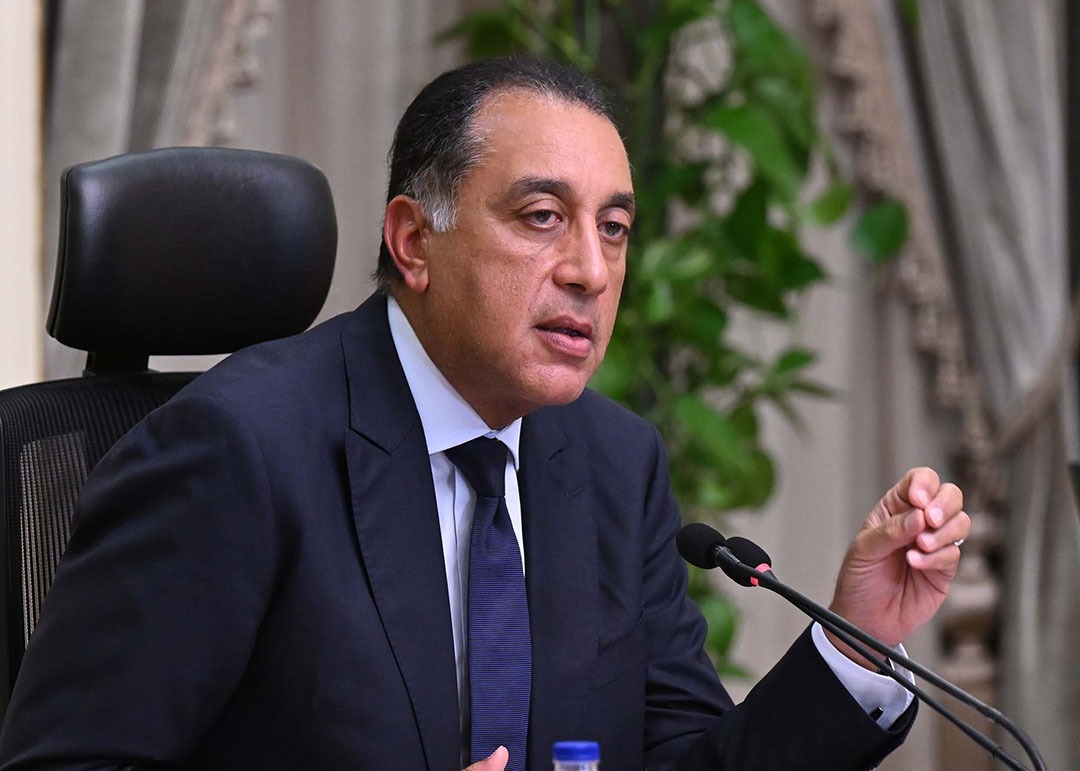
The Egypt National Economic Narrative was officially launched on Sunday by Prime Minister Mostafa Madbouly. The framework, titled “National Narrative for Economic Development: Policies Supporting Growth and Employment”, is designed to strengthen Egypt’s economy while addressing global and domestic challenges.
The launch event took place at a hotel in the New Administrative Capital, with Planning, Economic Development, and International Cooperation Minister Rania Al-Mashat presenting the core pillars. She described the initiative as an integrated plan aligned with Egypt’s Vision 2030 and the government’s work program, stressing its focus on adapting to global changes and accelerating export-oriented growth.
Core Pillars of the Narrative
The document outlines five main areas of focus:
- Macroeconomic stability
- Foreign direct investment (FDI)
- Industrial development and foreign trade
- Labor market efficiency and flexibility
- Regional planning to localize growth
Al-Mashat highlighted the narrative as both an economic reform program and a promotional tool to attract investment. It emphasizes structural reforms, private sector participation, and policies to drive competitiveness. The plan prioritizes sectors such as manufacturing, tourism, agriculture, energy, and information technology while redefining the role of the state in boosting productivity.
Prepared since October 2024 in coordination with multiple ministries, the narrative incorporates fiscal and monetary strategies, governance of public investment, and a shift toward green growth. It builds on the National Structural Reforms Program and reflects directives from President Abdel Fattah al-Sisi.
Public Engagement and Dialogue
The government will open the narrative to public dialogue over the next two months. Specialized sessions with experts are planned to ensure constructive societal debate on the framework’s priorities.
Egypt’s Economic Context
The initiative comes at a time of global market volatility, protectionist trade policies, and regional geopolitical tensions. Despite these challenges, Egypt’s economy has shown resilience.
The country’s GDP grew 4.8% year-on-year in the third quarter of fiscal 2024/25, well above the 2.2% recorded a year earlier. For the first nine months of the fiscal year, growth averaged 4.2%, compared with 2.4% in the same period of 2023/24. The Ministry of Planning attributes this surge to stronger performance in tourism, industry, and non-oil sectors, supported by rising private investment.
Early indicators suggest growth could surpass the government’s 4% target for the fiscal year, positioning Egypt’s new economic narrative as a roadmap for inclusive growth, job creation, and enhanced global competitiveness.