Rising MICE activity, strategic meetings, and inter-GCC travel position the Middle East as a global hub for high-value corporate engagement in 2025 and beyond.
Strategic Travel Gains Momentum
Business travel spending in the MENA region rose by 20% in 2025, signaling a major shift in how companies approach mobility. As 2026 begins, organizations are focusing on strategic value over travel frequency. In-person engagement is regaining importance in a results-driven business environment.
MICE Events Drive Growth
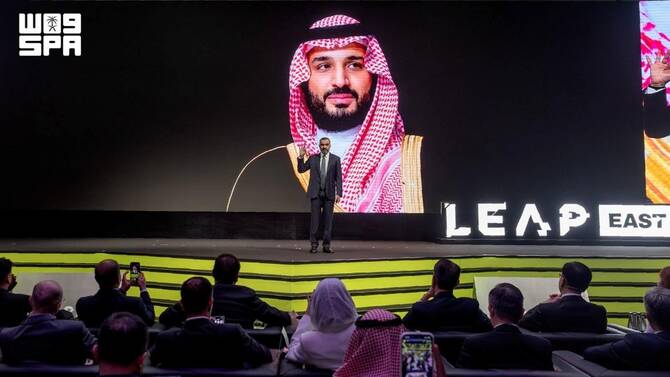
The rise in spending is closely tied to increased MICE activity—including conferences, exhibitions, leadership summits, and cross-border strategy sessions. Companies now prioritize travel that boosts collaboration, speeds up decision-making, and supports regional expansion. This reflects a global trend: travel is seen as an investment, not just a cost.
Global Spending Hits $1.47 Trillion
Worldwide, business travel spending reached $1.47 trillion in 2024, showing strong confidence in face-to-face interaction. However, the nature of travel is changing. Routine trips are declining, while high-impact journeys—like innovation workshops and client negotiations—are on the rise. Budgets are shifting toward travel that delivers measurable results.
Middle East Becomes a Collaboration Hub
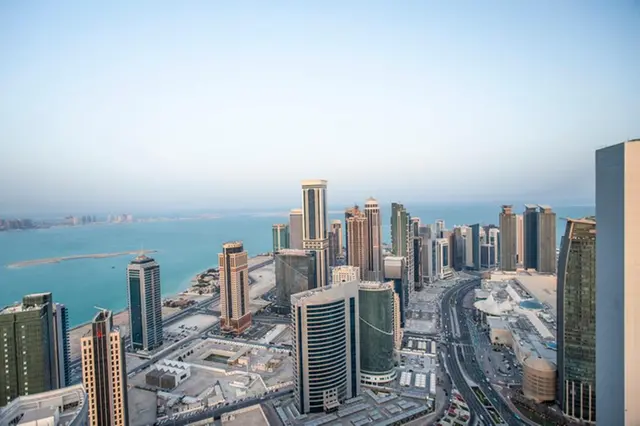
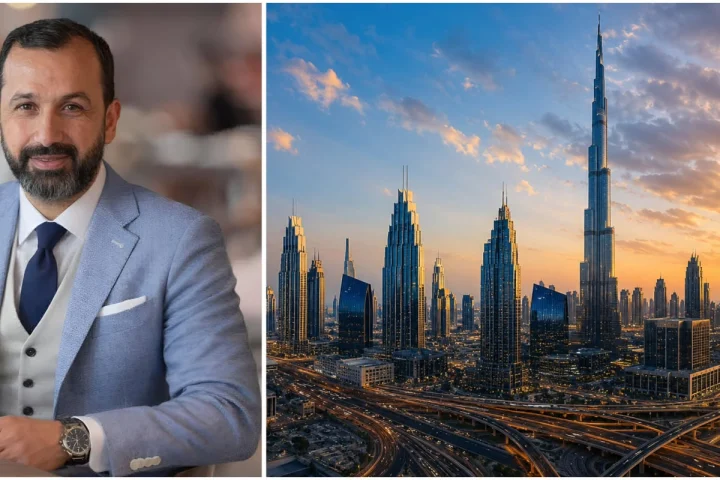
The Middle East is now a top destination for global meetings. Cities like Dubai and Riyadh offer advanced infrastructure, strong air connectivity, and a packed calendar of international forums. These locations provide a neutral, well-connected space for multinational teams.
Inter-GCC Travel Accelerates
Travel between UAE and Saudi Arabia has increased, especially in sectors like construction, real estate, energy, and tech. This movement has led to higher hotel occupancy and growing demand for corporate travel services. The trend highlights the region’s rapid development and the need for in-person coordination.
Face-to-Face Still Matters
In complex business settings, trust and collaboration are key. Short, focused strategy sessions often outperform long virtual meetings. For companies managing regional growth, face-to-face interaction remains essential.
What to Expect in 2026
Several trends will shape corporate travel this year:
- High-impact collaboration will take priority over frequent trips
- MICE events and exhibitions will continue to drive mobility
- AI-powered platforms will improve planning and personalization
- Sustainable travel strategies will focus on fewer, better-planned trips
Value Over Distance
MENA’s business travel landscape is evolving. Spending is now driven by intent and outcomes, not just distance. The region is positioning itself as a catalyst for global collaboration and long-term growth.