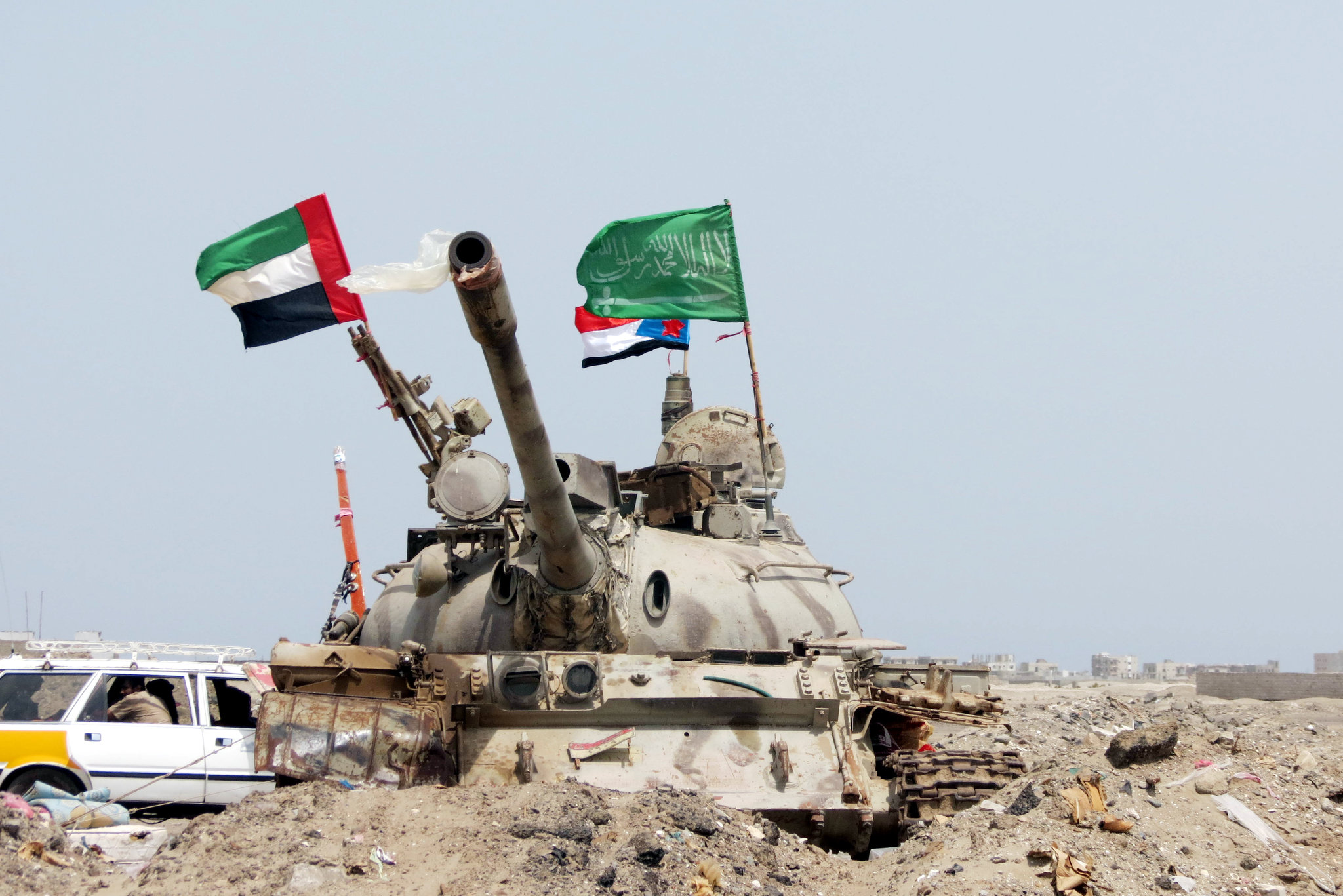
On December 30, 2025, Saudi Arabia launched a bombing campaign targeting Yemen’s southern port city of Mukalla, setting off a wave of tensions in the already volatile region. The Saudi airstrike, which hit the port early in the morning, aimed at a shipment of weapons that Riyadh claimed had come from the United Arab Emirates (UAE). These weapons, according to Saudi Arabia, were intended for separatist forces aligned with the Southern Transitional Council (STC), a powerful faction backed by the UAE.
This bombing and its aftermath have sparked a significant political fallout between two of the Middle East’s most powerful states: Saudi Arabia and the UAE. The escalation between the two nations is likely to further complicate the geopolitical landscape of Yemen, which has been embroiled in civil war since 2014. The rift also has implications beyond the battlefield, as both nations are influential members of OPEC, a factor that could affect global oil markets.
Background to the Saudi-UAE Divide in Yemen
Yemen’s conflict began when the Iran-backed Houthis seized control of the capital, Sanaa, in 2014, pushing the internationally recognized government into exile. In 2015, Saudi Arabia and the UAE intervened militarily, supporting the Yemeni government with the aim of rolling back Houthi control. Initially, Riyadh and Abu Dhabi operated as allies in this mission, but over time, their interests have diverged sharply.
While both countries opposed the Houthis, they began backing rival factions in Yemen. Saudi Arabia has continued to support the central government and its allied tribal forces, whereas the UAE has backed the STC, which seeks an independent South Yemen. This divide has not only complicated the war effort but has also created internal conflicts among anti-Houthi factions.
The Mukalla Bombing: Alleged Arms Shipment and Airstrike
The Saudi military justified the December 30 bombing of Mukalla as a necessary measure to neutralize a potential threat. According to Saudi state reports, two vessels originating from the UAE port of Fujairah arrived in Mukalla, their tracking systems disabled to avoid detection. The ships unloaded “large quantities of weapons and combat vehicles,” which Saudi Arabia argued were meant to support the STC’s separatist ambitions.
In a statement, the Saudi military emphasized that the airstrike was aimed at preventing the further escalation of violence. They also took care to carry out the strike at night to minimize civilian casualties, a claim supported by state-run media, which aired footage of the aftermath showing burned vehicles and black smoke rising from the port. Yemen’s state-run television also aired similar footage, although the exact details of the attack and the origins of the cargo remain disputed.
Diplomatic Fallout: UAE’s Response and Withdrawal
In the hours following the airstrike, Yemen’s Saudi-backed presidential council issued an ultimatum to the UAE: withdraw all remaining forces from Yemen within 24 hours. This demand was rooted in accusations that the UAE had fueled internal divisions by supporting the STC’s recent military advances in southern Yemen, undermining the authority of Yemen’s central government.
Riyadh echoed this demand, warning that any further actions undermining Saudi security interests would not be tolerated. The Saudi government also accused the UAE of supporting the STC’s rebellion against the state’s authority, further aggravating the situation. The UAE, on the other hand, expressed surprise and disappointment at the airstrike and Riyadh’s subsequent statement.
In a swift response, the UAE announced that it would withdraw its remaining forces from Yemen. The UAE’s Ministry of Foreign Affairs issued a statement denying any malicious intent behind the shipment, clarifying that the vehicles unloaded in Mukalla were for use by UAE forces operating in Yemen and not intended for any Yemeni faction. This declaration, however, did little to quell the rising tensions between the two regional powers.
The STC’s Role in the Conflict
The STC’s increasing influence in southern Yemen has been a critical factor in the growing divide between Saudi Arabia and the UAE. The STC, which was formally part of a Saudi-backed power-sharing arrangement governing southern Yemen, has become a major player in the conflict. In recent weeks, the STC launched a surprise offensive in the southern governorate of Hadramout, taking control of key strategic areas, including Mukalla.
The STC’s leader, Aidarous al-Zubaidi, is also the deputy head of the Yemeni presidential council, but his allegiance to the UAE has led to mounting tensions with Saudi-backed figures within the council, including Rashad al-Alimi. In response to the Saudi-backed demand for the UAE’s withdrawal, Zubaidi rejected Alimi’s orders and reaffirmed the UAE’s pivotal role in the anti-Houthi coalition, arguing that no single faction could unilaterally expel a member of the Saudi-led coalition.
Implications for Yemen and the Broader Middle East
The rift between Saudi Arabia and the UAE is not only a blow to Yemen’s already fractured political landscape but also a significant development in the broader Middle Eastern geopolitical context. Both countries are crucial players in the region, with vast influence over oil production and global energy markets. Any prolonged conflict between them could complicate efforts to maintain a unified stance within OPEC, potentially leading to instability in global crude prices.
Furthermore, this division could also have wider ramifications for Yemen’s civil war, which has remained in a state of military deadlock for years. With the UAE’s withdrawal, the balance of power in southern Yemen may shift, leaving the Saudi-backed central government facing an increasingly difficult task in regaining control of the south. The Houthis, still firmly in control of northern Yemen, will likely exploit the growing divisions between Saudi Arabia and the UAE to their advantage.
Looking Ahead: What’s Next for Yemen?
As the situation unfolds, the key question remains whether the Saudi-UAE rift will lead to further destabilization in Yemen or if both nations can eventually reconcile their differences for the sake of the larger anti-Houthi effort. The dynamics of the war are shifting, and the withdrawal of UAE forces could either bring about a resolution or deepen the conflict, with competing factions vying for control of the war-torn nation.
As Yemen’s future hangs in the balance, the international community must watch closely for signs of escalation, particularly in light of the upcoming OPEC virtual meeting in January 2026. The ongoing tensions between Saudi Arabia and the UAE will undoubtedly shape not only the fate of Yemen but also the broader political and economic landscape of the Middle East.