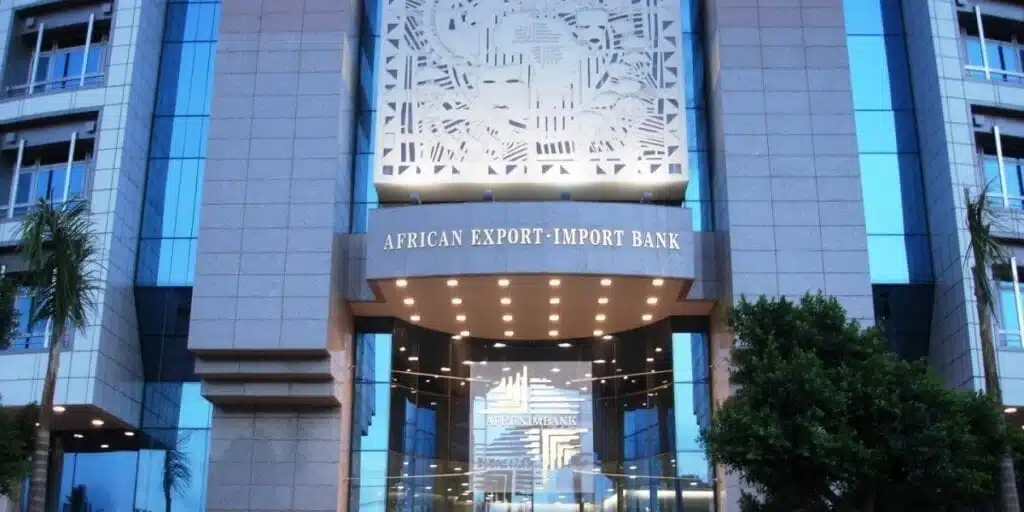
Zambia’s long-awaited debt restructuring process remains stuck due to unresolved negotiations with the African Export-Import Bank (Afreximbank) and the Trade and Development Bank (TDB), according to Treasury Secretary Felix Nkulukusa. The deadlock could delay Zambia’s full exit from default until 2026.
The southern African nation, one of the world’s largest copper producers, reached a debt relief deal with its main private creditors in June 2024. However, disagreements persist over whether Afrexim and TDB should accept writedowns or be spared like the IMF and World Bank. Afrexim in particular fears a downgrade of its preferred creditor status, which could weaken its ability to lend cheaply for regional projects.
Afrexim and TDB account for just under 8% of Zambia’s restructuring package, but their position has created a major impasse. Nkulukusa said progress with TDB has been limited, while talks with Afrexim remain difficult.
Zambia is also seeking a one-year extension of its $1.3 billion IMF bailout, which runs until January, to maintain stability through the August 2026 elections.
Despite the restructuring delay, Zambia’s economy is showing signs of recovery, with GDP projected to grow 5.8% in 2025 and 6.4% in 2026, supported by mining revenues, a more stable exchange rate, and easing inflation. Resolving the standoff is seen as vital to unlocking investment for infrastructure projects, including road and rail development.
Nkulukusa suggested that a pan-African or international solution may ultimately be needed to protect regional development banks while ensuring Zambia’s restructuring is completed.