Industrial Clusters in Saudi Arabia are the cornerstone of the National Industrial Strategy, designed to diversify the economy, reduce oil dependency, and create globally competitive industries. These clusters bring together core, support, and manufacturing sectors, covering pharmaceuticals and biotechnology, food industries, chemicals, metals, machinery, aviation, automotive, and renewable energy. Each cluster fosters investment, talent development, and job creation while enhancing Saudi Arabia’s role in global markets.
Construction Materials Sector
The construction materials sector focuses on supplying the domestic market while increasing exports of high-value-added mineral products. It leverages local content, maximizes national resources, and encourages foreign and domestic investment. This sector contributes about 13% of non-oil GDP and accounts for 35% of work permits.
Between 2010 and 2021, imported construction material prices rose significantly, with reinforcing steel up 27.7% and cables up 40.5%. However, locally sourced products such as cement and blocks maintained stable prices, increasing by no more than 7.2%, underscoring the Kingdom’s emphasis on local resilience.
Pharmaceuticals and Biotechnology Sector
Saudi Arabia has become a regional hub for pharmaceutical exports, supplying the Middle East, North Africa, and OIC states. Pharmaceutical exports exceeded USD140 billion, with the domestic market valued at USD9 billion in 2018. By 2028, the sector is projected to reach USD40 billion.
The localization rate stands at 29% of market value and 42% of market size, reflecting promising opportunities for investment in pharmaceuticals and biotechnology.
Food Industry Sector
The food sector is a vital cluster driven by population growth, tourism, and rising consumer demand. By 2021, Saudi Arabia’s share of the global food sector was valued at SAR176 billion, projected to grow to SAR214 billion by 2030.
The Kingdom is a leader in dairy products, dates, halal meat, and poultry, positioning itself as a regional hub for food production and export.
Chemicals Sector
Saudi Arabia is globally competitive in chemicals and petrochemicals, producing everything from basic materials to advanced plastics, rubber, and specialty chemicals. It ranks:
- 1st in ethylene glycol and MTBE production
- 2nd in ethylene and polycarbonate production
- 3rd in methanol and polypropylene production
By 2023, the Kingdom had 11,549 factories, with investments totaling SAR1.541 trillion, a 10% increase from 2022. This sector anchors Saudi Arabia’s industrial diversification strategy.
Metals Sector
The metals cluster integrates mineral value chains for aluminum, iron, base metals, specialty metals, and industrial minerals. It contributed SAR64 billion to GDP and created 250,000 jobs, with exports valued at SAR26 billion.
Saudi Arabia aims to position mining as its third core industry, supported by Vision 2030 and investments in sustainable, globally competitive metal industries.
Machinery and Equipment Sector
This cluster seeks to develop regionally competitive machinery and equipment industries while boosting local content and job opportunities. The sector targets 50% local financing by 2030.
Committees under the Ministry of Industry and Mineral Resources, such as the Industrial Equipment and Mining Committee, support both local manufacturers and foreign investors in building a strong machinery base.
Aviation and Aerospace Sector
The aviation and aerospace cluster focuses on R&D, localizing aerospace-grade materials, and strengthening the supply chain.
Key initiatives include:
- Partnership between AMIC and Toho Titanium Metal to establish a 15.6 kt titanium sponge facility in Yanbu.
- Ma’aden–Alcoa joint venture (USD10.8 billion) for bauxite mining and aluminum production.
- Unmanned Aircraft Systems project (SAR750 million investment, 60% localization) creating 500 jobs and achieving 60% export value.
Saudi universities such as KAUST, King Fahd University, and King Abdulaziz University also support advanced aerospace R&D.
Automotive Sector
The automotive sector is a priority cluster, aiming to produce 400,000 vehicles by 2030, capturing 40% in-country value. The industry is projected to grow by 12% by 2030, driven by investments in EVs and advanced materials.
Key highlights:
- Agreement with Arab EV Metals Group to build a factory for electric battery chemicals.
- Partnerships with SABIC, Ma’aden, Tasnee, and Saudi Aramco to develop advanced automotive materials.
- The Global Tire Factory exports 62% of its output to GCC, GAFTA, Near East, and Africa.
Saudi Arabia’s automotive cluster connects to a 400 million consumer market in the Middle East and North Africa, exempt from customs duties in 17 countries.
Renewable Energy Sector
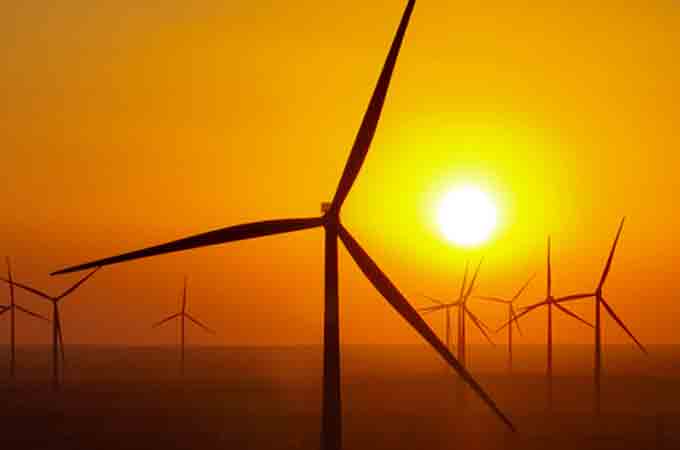
The renewable energy cluster promotes solar and wind manufacturing capabilities. Saudi Arabia ranks 6th globally in solar power and 13th in wind power capacity.
Key projects include:
- Sakaka Solar Power Plant (300 MW), connected to the grid.
- Dumat Al-Jandal Wind Project and seven other solar projects, with a combined capacity of 3,670 MW, providing electricity to 600,000 homes and reducing 7 million tonnes of emissions.
The renewable energy sector is valued at SAR6.7 billion by 2035, with an investment volume of SAR60 billion.
Economic Impact
Industrial clusters are central to achieving Vision 2030 goals by diversifying the economy, creating jobs, and fostering innovation. They integrate global supply chains, attract foreign investment, and ensure Saudi industries remain globally competitive.