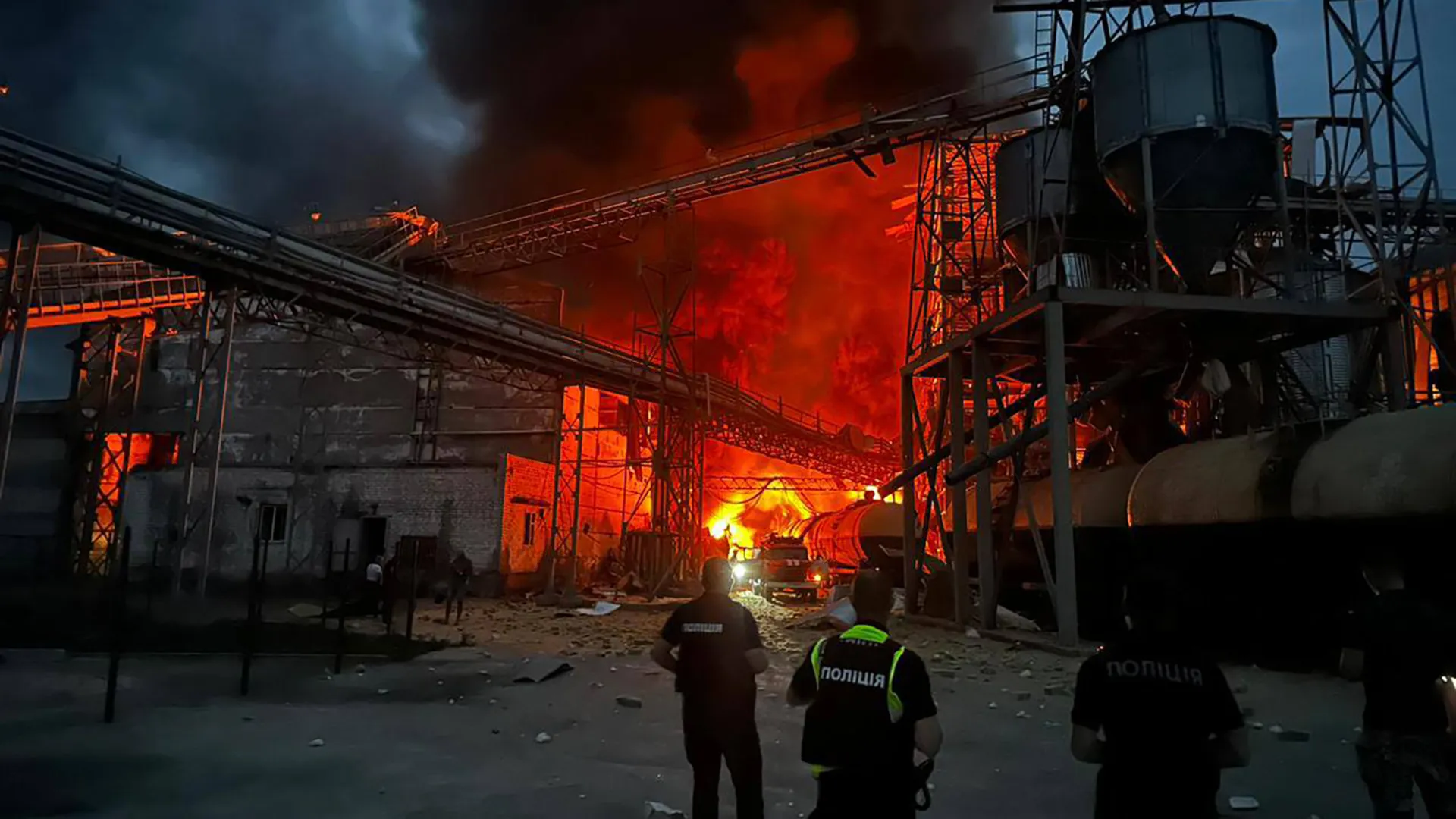
A surge in Ukraine drone strikes on Russian oil refineries has caused fuel shortages and rising prices across Russia. The number of attacks climbed sharply in August and stayed high in September. Since January, Ukrainian forces have struck 21 of Russia’s 38 large refineries, a figure already 48% higher than the total recorded last year.
The impact is visible on Russian streets. Long queues stretch at petrol stations, while some garages shut their doors to avoid selling fuel at a loss. Station managers explained that they prefer closing temporarily rather than operating with heavy financial losses. President Volodymyr Zelensky said Ukraine targets the oil industry to push Moscow toward negotiations. He called refinery strikes one of the fastest and most effective ways to weaken Russia’s war effort.
The strikes reached a peak in August when Ukrainian drones hit 14 refineries. In September, they targeted eight more. Some of these facilities lie far from the border. For example, Ukrainian drones struck the Gazprom Neftekhim Salavat refinery in Bashkortostan, more than 1,100 kilometers from Ukraine. Major plants in Volgograd and Ryazan also came under repeated attack, forcing shutdowns and halting production.
Military experts argue that Ukraine follows two goals. It tries to disrupt refineries vital for civilian fuel supplies, while also targeting facilities that support Russia’s military near the front. Attacks in Samara and Saratov, both linked to troop supplies, fit into this approach. This dual strategy squeezes civilian life and directly strains Russian logistics.
The pressure on output is severe. At least 10 refineries stopped or reduced production since August. Daily national fuel output has dropped by up to 20% on certain days. Independent petrol stations in Siberia closed their operations because of shortages. One station manager compared the situation to the chaos of the early 1990s. Prices quickly climbed at the pump, while wholesale fuel costs jumped by 40% since January.
Seasonal travel and refinery maintenance usually push prices upward, but drone strikes have made the crisis worse. In Crimea, authorities introduced rationing. In the Far East and along highways near Moscow, drivers wait in long lines. However, people in Moscow and Krasnodar report little disruption, showing that the crisis affects regions unevenly.
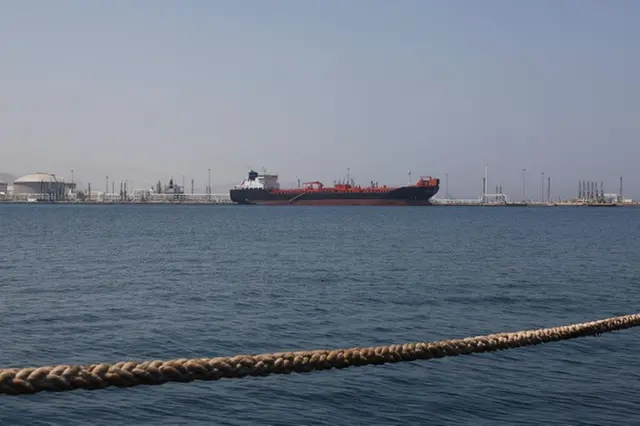
Russian officials insist they can handle the crisis. They extended a partial ban on petrol exports until the end of 2025 to keep more supplies at home. Critics argue the measure does not go far enough to stabilize the market. Meanwhile, Russia continues to ship crude oil abroad. In fact, exports of unrefined crude reached record highs, easing some financial pressure even as refined products fall short.
Analysts describe the strikes as a core element of Ukraine’s evolving strategy. They say Kyiv has committed significant resources to this campaign and plans to keep targeting refineries. The strikes may not end Russia’s war effort by themselves, but they are creating real pressure. By cutting supplies and driving up costs, the Ukraine drone strikes on Russian oil refineries are reshaping both the battlefield and Russia’s economy.