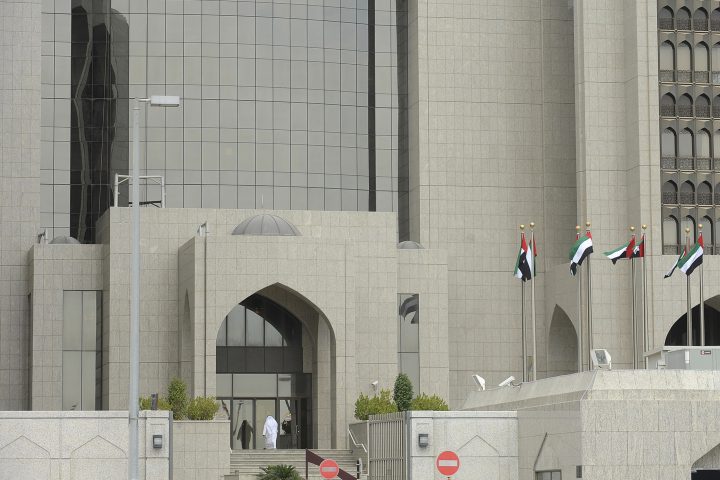
The Law of Payments and Payment Services in Saudi Arabia is a comprehensive regulatory framework governing the payment sector. It establishes clear rules, tools, and procedures designed to protect the rights of all parties, promote innovation, and foster competition. By aligning with Saudi Vision 2030, the law strengthens the Kingdom’s financial ecosystem and ensures a stable environment for digital transformation in finance.
History of the Law
The Law of Payments and Payment Services was officially issued in 2021 during the reign of King Salman Bin Abdulaziz. The Saudi Central Bank drafted the Implementing Regulations and presented them for consultation in 2022. By 2023, the regulations were formally adopted, completing the legislative framework that now governs all payment systems, service providers, and operators in the Kingdom.
Features of the Law
The law is notable for its focus on infrastructure and supervision. The Saudi Central Bank oversees the regulation of payment systems and providers, ensuring transparency and efficiency. Its provisions modernize regulatory frameworks, enhance financial stability, and build resilience in the sector.
A key goal of the Law of Payments and Payment Services is to attract investors by simplifying procedures and ensuring clear dispute resolution mechanisms. This encourages domestic and international confidence in the Saudi market. The law also sets penalties for violations, including:
- Revocation of licenses.
- Fines up to SAR25 million.
- Temporary suspensions, with prior warnings.
These measures emphasize compliance, protect users, and safeguard the integrity of the payment industry.
Role in Vision 2030
The law contributes directly to Saudi Vision 2030 by creating a modern, competitive, and reliable financial infrastructure. It stimulates growth in FinTech, supports economic diversification, and ensures that Saudi Arabia remains a leader in the regional digital economy. By enabling safe, transparent, and innovative payment services, the law lays the groundwork for future advancements in the Kingdom’s financial sector.