The Gulf Cooperation Council (GCC) countries, including Saudi Arabia, the UAE, and other oil-rich economies, are on track for a stronger economic performance in 2026. While the oil sector continues to play a crucial role, the real growth drivers are now emerging from non-oil sectors, bolstered by massive investments in infrastructure, manufacturing, tourism, and renewable energy.
Economic Growth Forecasts for 2026
According to global institutions like the International Monetary Fund (IMF) and the World Bank, the GCC economies are in the midst of a robust growth phase. The Institute of International Finance (IIF) projects a 4% GDP growth across the region in 2025-2026, compared to a more modest 2.5% growth in 2024. These forecasts highlight an acceleration in growth, largely driven by non-oil sectors such as logistics, manufacturing, and infrastructure.
The IIF’s report suggests that non-hydrocarbon activity will remain strong, with 4.2% growth in non-oil GDP expected in the next two years, which marks a significant shift from the past reliance on oil revenues.
Saudi Arabia and UAE Leading the Charge
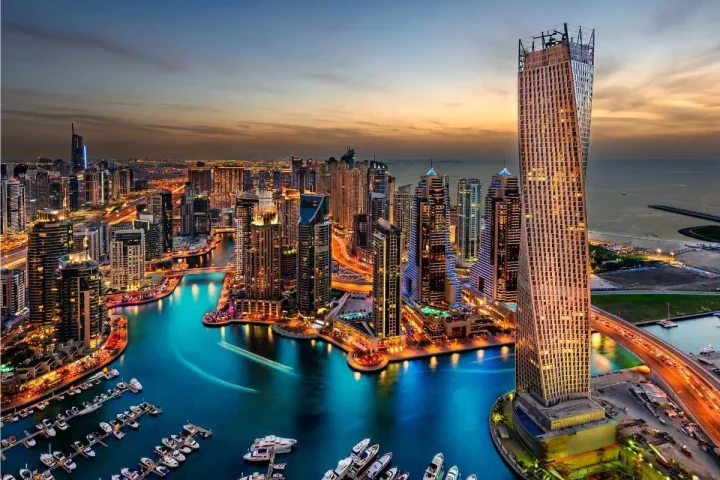
Among the six GCC states, Saudi Arabia and the UAE stand out as leaders in economic expansion. Both countries have pushed forward with ambitious investment programs in sectors beyond oil. The UAE is expected to lead the region with 5.6% GDP growth in 2026, driven by strong performances in tourism, trade, and financial services. The Saudi economy is forecasted to grow at 4.3% in 2026, with continued growth in both oil and non-oil sectors, fueled by investments in infrastructure and economic diversification.
Forecasts for Other GCC Economies
Kuwait is set to see positive growth after struggling with contractions in the past two years, with a 2.7% GDP growth forecast for 2025. In Qatar, growth is expected to surge to 6.1% in 2026, thanks to the North Field expansion, which will significantly increase LNG output. Similarly, Oman is experiencing faster diversification, with 3.1% GDP growth projected for 2025, while Bahrain maintains strong growth, driven by investments in financial services and tourism.
Oil Sector and Infrastructure Investment
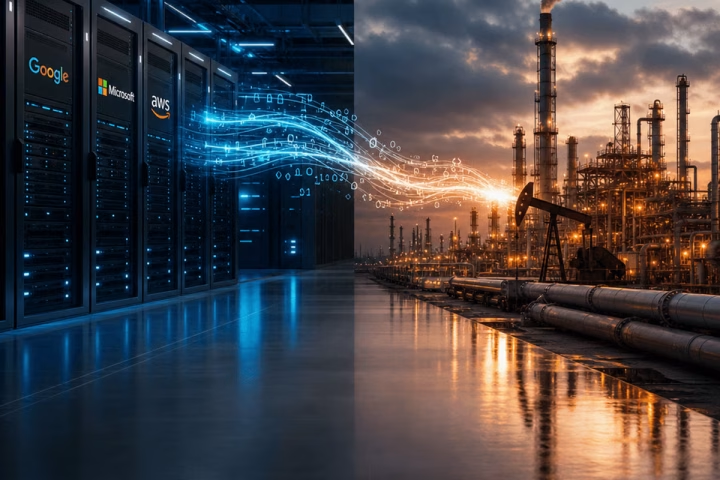
While the non-oil sectors are accelerating, the oil sector is also expected to see steady growth. The GCC’s oil output is set to rise as OPEC Plus production cuts ease, with an expected 5.1% growth in oil output in 2026.
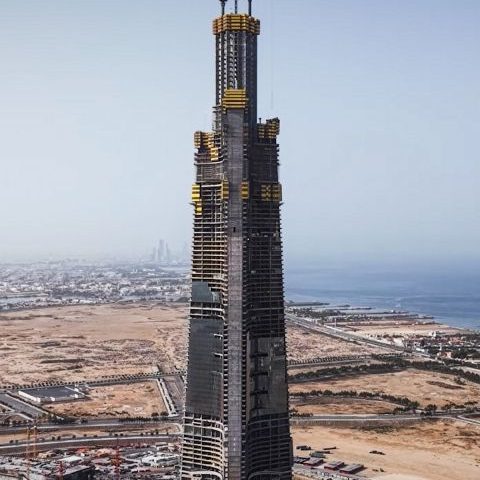
On the infrastructure front, Saudi Arabia is leading the GCC with more than $2 trillion in planned and ongoing projects in 2025, followed by the UAE at $1.14 trillion. The growth in project values in these countries signals a continued commitment to large-scale infrastructure developments, which will be essential in sustaining economic growth.
As we move into 2026, the Gulf economies are set for an exciting period of accelerated growth, largely driven by a strong surge in non-oil sectors. The shift towards infrastructure, manufacturing, renewable energy, and tourism is creating a more diverse and sustainable economic landscape across the region. With global demand for LNG and other natural resources increasing, the GCC countries are well-positioned to continue their trajectory of growth, making them key players on the global economic stage.