Top economies in East Africa continue to play a crucial role in shaping the region’s development and global competitiveness. Based on nominal GDP estimates for 2025, East Africa showcases a mix of strong agricultural producers, resource-driven economies, and emerging service hubs. While Kenya leads the region, Ethiopia and Tanzania follow closely, with Uganda rounding out the top four. Together, these countries account for a substantial share of the region’s total economic output.
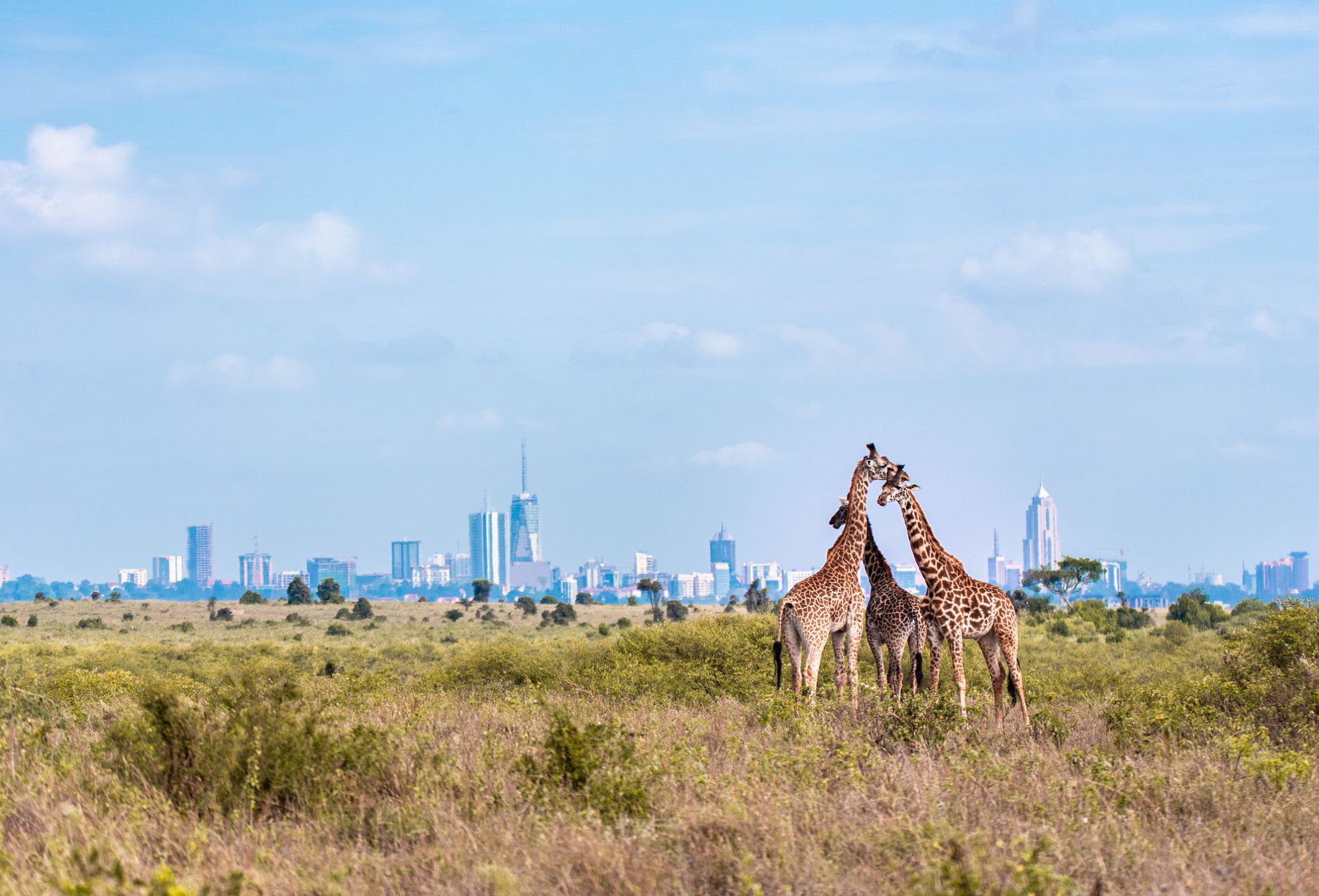
1. Kenya – $132 Billion
Kenya remains the largest economy in East Africa, supported by a diversified base spanning finance, agriculture, technology, and manufacturing. Nairobi’s role as a financial hub and its growing digital economy have helped sustain strong growth. With continued investment in infrastructure and innovation, Kenya is set to maintain its regional leadership.
2. Ethiopia – $117 Billion
Ethiopia ranks second, with an economy driven by agriculture, textiles, and energy projects. Despite political challenges, its large population and industrialization programs give it long-term growth potential. Investments in transport and power sectors are key contributors to its GDP.
3. Tanzania – $85 Billion
Tanzania’s steady growth is supported by natural gas, agriculture, tourism, and mining. The country benefits from its strategic location along the Indian Ocean, which supports trade and logistics. Strong government focus on industrialization continues to shape its economic progress.
4. Uganda – $64 Billion
Uganda is the fourth-largest economy in East Africa, driven by agriculture, oil exploration, and services. Kampala has increasingly positioned itself as a regional hub for trade and investment. The planned development of oil resources could significantly expand Uganda’s GDP in coming years.
5. Sudan – $32 Billion
Sudan’s economy faces challenges due to political instability, yet it remains significant in East Africa thanks to agriculture and natural resources. Reforms and foreign investment could reshape its trajectory if stability improves.
6. Madagascar – $18 Billion
Madagascar’s economy is largely dependent on agriculture, mining, and tourism. Though smaller compared to mainland economies, it plays an important role in regional trade and offers unique export opportunities in vanilla and rare minerals.
7. Mauritius – $15 Billion
Mauritius stands out as a services-driven economy, powered by finance, tourism, and information technology. Despite its smaller size, its strong governance and investment-friendly climate make it one of the most competitive economies in the region.
8. Rwanda – $14 Billion
Rwanda continues to build a reputation as a reform-driven economy with focus on ICT, tourism, and infrastructure. Despite its relatively modest GDP size, Rwanda has gained international recognition for its ease of doing business and rapid modernization efforts.
9. Somalia – $13 Billion
Somalia’s economy is recovering, supported by livestock, remittances, and telecommunications. Though fragile, the growth of private enterprise highlights the resilience of its business community in the face of longstanding instability.
10. Burundi – $6 Billion
Burundi has the smallest economy among the top ten, primarily reliant on subsistence agriculture. Despite challenges, government-led reforms and regional integration provide opportunities for gradual economic improvement.
Conclusion
The top ten economies in East Africa highlight a region marked by resilience, diversity, and growth potential. Kenya, Ethiopia, Tanzania, and Uganda lead the way, while smaller economies like Rwanda and Mauritius stand out for reforms and innovation. However, these forecasts remain sensitive to both internal dynamics—such as governance and policy—and external factors like global commodity prices and geopolitical shifts.
As East Africa continues to evolve, the region’s economic trajectory will be defined by how effectively nations harness their resources, foster innovation, and integrate into global markets.