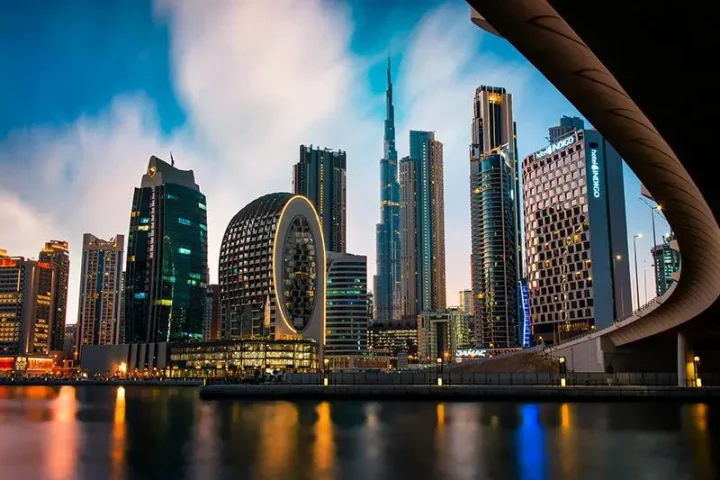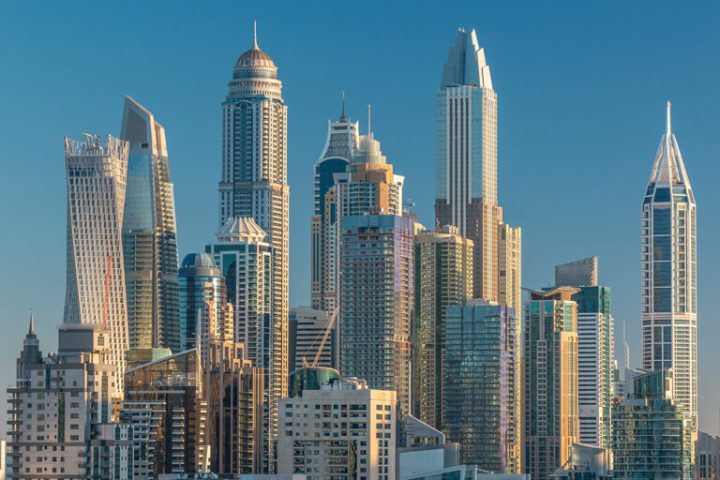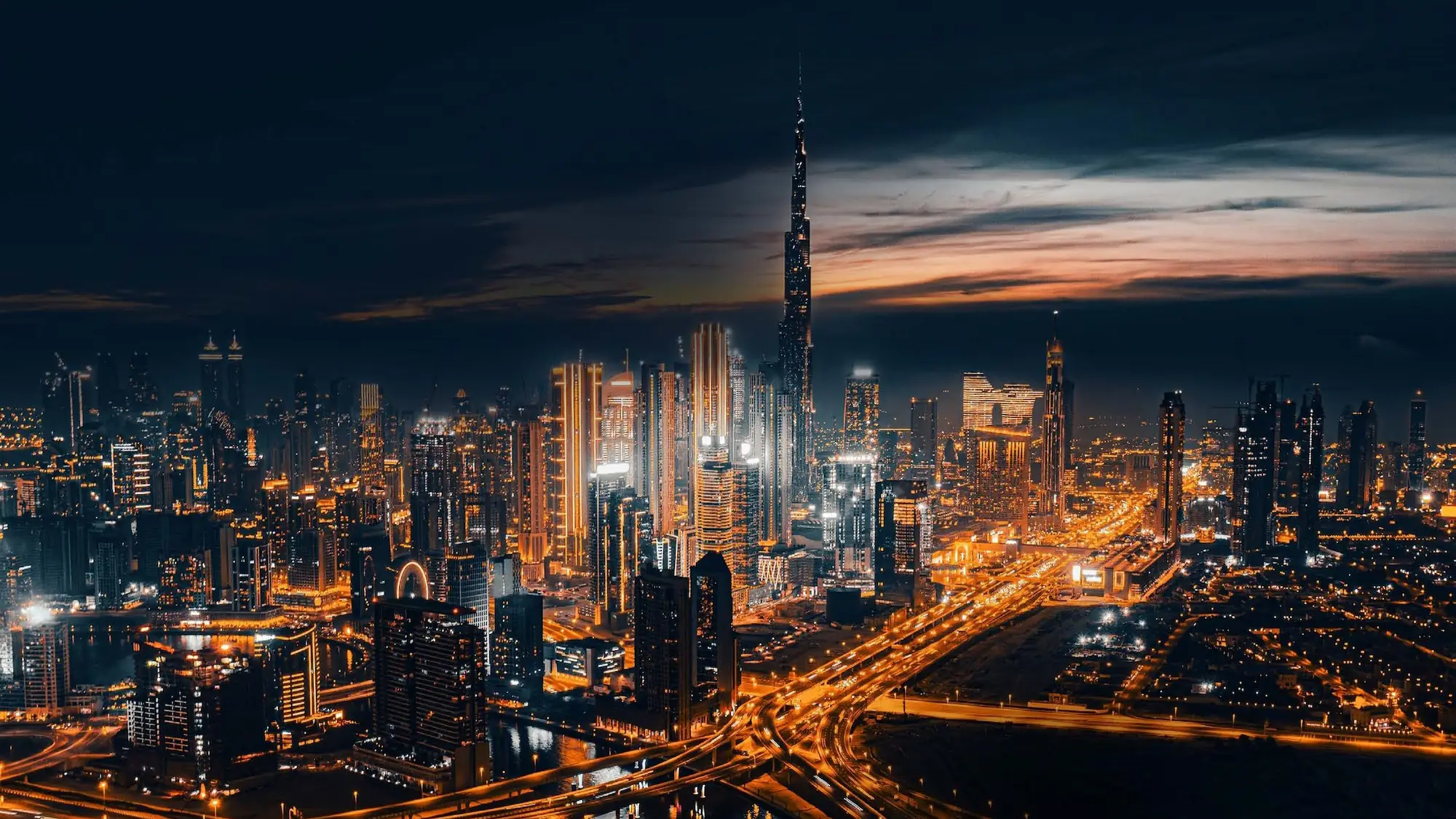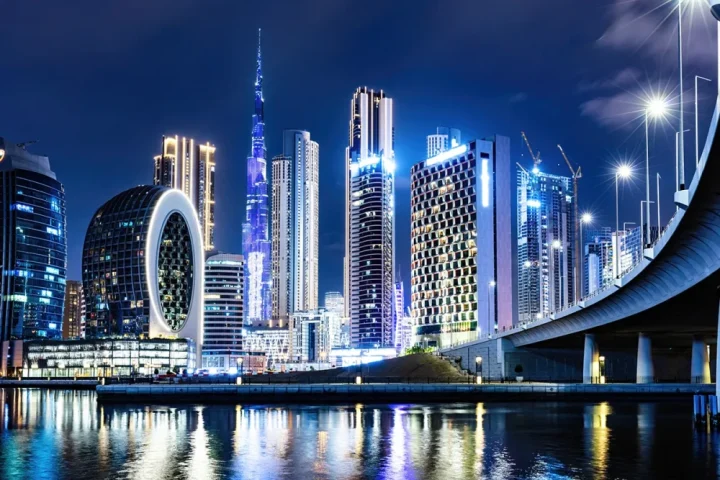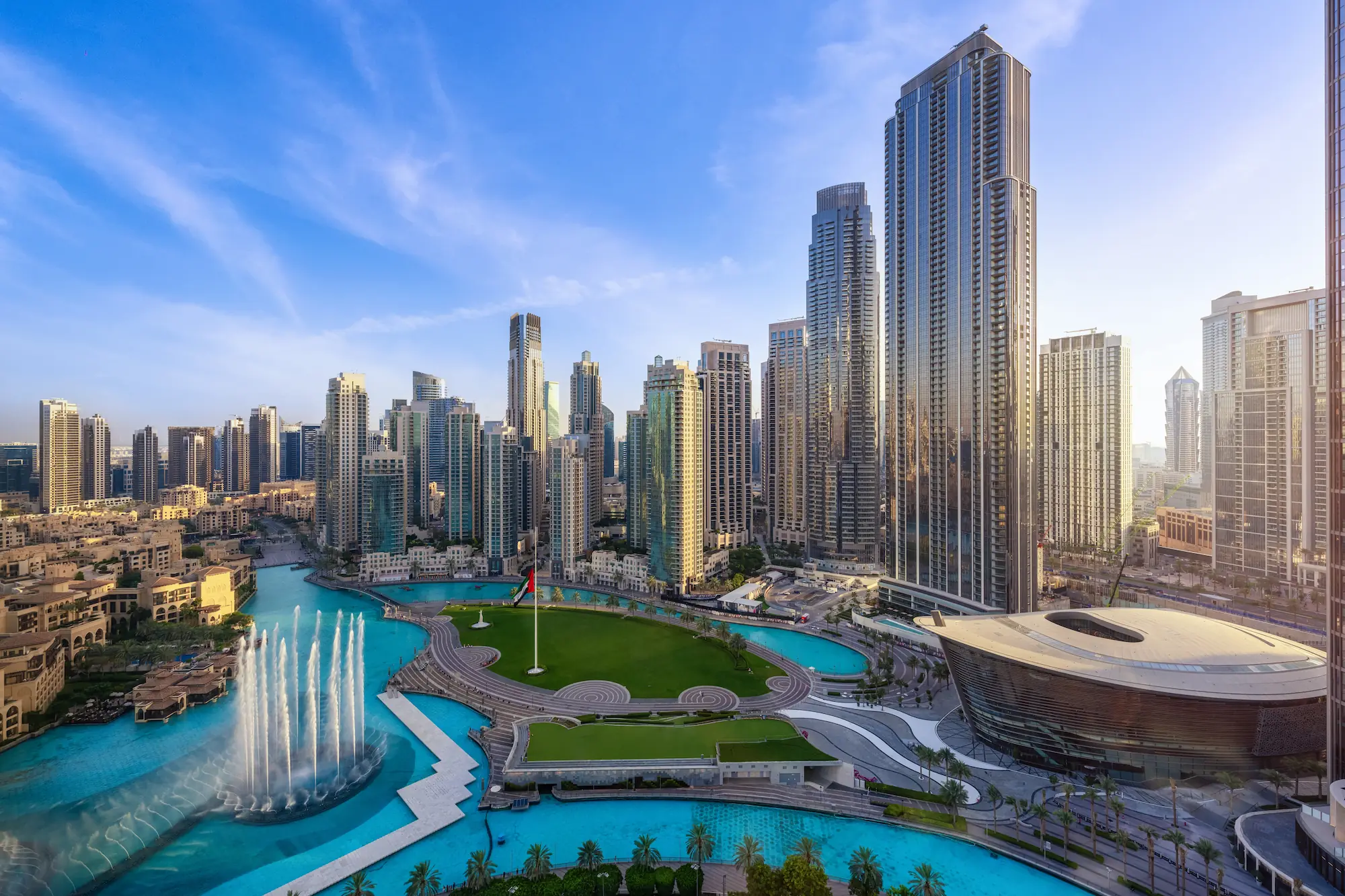
The Dubai real estate market posted remarkable growth in the second quarter, reflecting resilience in the UAE’s wider property sector. JLL reported that sales transactions jumped 44.5 percent year on year to 153.7 billion dirhams ($41.85 billion). This strong performance came from off-plan launches and active demand in both Dubai and Abu Dhabi.
In Dubai, activity spread across both off-plan and secondary segments. Off-plan sales led the market as buyers secured units before completion, while secondary deals rose 17.1 percent year on year. Apartments gained 13.3 percent in value, reaching 1,769 dirhams per square foot. Villas climbed 16 percent to 2,200 dirhams per square foot. As a result, buyers showed confidence in new supply while investors remained active in established areas.
Rental demand also strengthened in the Dubai real estate market. New contracts increased 14.3 percent from a year earlier. Renewals rose 9.9 percent and accounted for 63 percent of total contracts. Average apartment rents advanced 7.2 percent year on year. Villa rents rose 5.3 percent. JLL noted that slower growth signals a move toward long-term balance, creating healthier conditions for both tenants and landlords.
Housing supply continued to expand. Dubai reached 869,000 residential units by the end of the quarter, with 12,000 delivered between April and June. Developers plan to add 22,000 more units in the second half of the year. Most of these will be located in Dubailand, Jumeirah Village, and Mohammed Bin Rashid City. Apartments will make up about 70 percent of the pipeline. Therefore, the city is gradually achieving a better supply-demand balance.
The outlook for the Dubai real estate market remains strong. JLL expects sales momentum to continue through the rest of the year. Price growth will likely moderate, but this signals stability rather than decline. Outdated inventory in less popular locations may feel the impact first. Meanwhile, new projects in prime areas should continue to attract strong demand.
Abu Dhabi also posted robust growth, complementing Dubai’s results. Sales transactions climbed 9.1 percent year on year. Secondary deals surged 32.6 percent, although off-plan sales still led overall activity. Average apartment prices increased 14.4 percent, while villa prices grew 11.1 percent. Apartment rents jumped 13.9 percent and villa rents rose 4.7 percent. The city delivered 3,400 new units in the quarter, lifting total housing stock to 292,000. Developers plan to add another 10,400 units before year-end. Branded luxury residences continued to attract investors seeking premium value retention and higher returns.
Across the Gulf Cooperation Council, property markets show similar momentum. Kuwait Financial Center Markaz recently forecast further GCC real estate growth in the second half of the year. Lower interest rates, large government projects, and steady investor demand all support expansion. Consequently, Dubai and Abu Dhabi stand to benefit from favorable regional conditions.
In summary, the Dubai real estate market showed exceptional strength in Q2, driven by off-plan demand, rising prices, and resilient rentals. With strong investor appetite, an expanding supply pipeline, and GCC-wide support, Dubai remains one of the world’s most dynamic property hubs. The coming months are expected to bring continued growth, greater stability, and opportunities for buyers, landlords, and long-term investors.