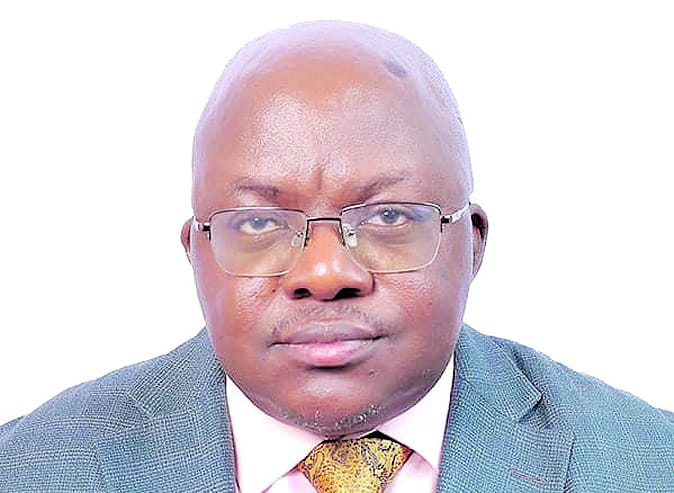
Kampala, Uganda: The Bamwine Kabuyanda dam dispute has escalated into a diplomatic and legal crisis, culminating in the removal of Quilino Bamwine as consul of Eswatini to Uganda, according to officials familiar with the matter.
The controversy centres on the stalled Kabuyanda earth dam project in Isingiro District, an Shs 86bn government-funded initiative launched in May 2023 and expected to be completed within 30 months. Instead, construction has halted amid contractual disputes, court battles, and arbitration proceedings.
Bamwine’s appointment was revoked on 31 October 2025 through a letter issued by Ambassador Mahlaba A. Mamba. The letter cited allegations including extortion, fraud and involvement in a disputed land transaction, while also stating that he failed to respond to earlier warnings.
However, multiple sources say the decision followed his involvement in efforts to resolve the Kabuyanda dispute, which placed him at the centre of a high-stakes confrontation between business and political interests.
The dispute dates back to 2022, when Ugandan firm Plinth Technical Services partnered with Inyatsi Construction Ltd to execute the project. Relations deteriorated in October 2023 after Inyatsi terminated Plinth’s subcontract.
Plinth subsequently threatened legal action. In response, Inyatsi moved the matter to the International Chamber of Commerce for arbitration and later withdrew from the project. The Ugandan firm then sought relief in local courts, securing a temporary order blocking a Shs 21.2bn payment to Inyatsi and demanding Shs 5bn in costs. Although that ruling was later overturned, the dispute stalled progress on the dam.
With the project at a standstill, Bamwine was approached to intervene using diplomatic channels. According to individuals familiar with the talks, he led a Ugandan delegation to Eswatini in an attempt to broker a settlement and secure the contractor’s return to site after receiving an advance estimated at Shs 24bn.
Initial discussions appeared promising. Sources say the parties reached a verbal understanding involving a $4m settlement. However, negotiations collapsed over disagreements on payment guarantees. Plinth reportedly insisted on firm assurances, while Inyatsi declined to provide them.
Bamwine is said to have pushed for a $2m down payment as a compromise, but the proposal failed to materialise. As talks broke down, tensions escalated and competing narratives emerged about his role.
Some insiders suggest he was acting to safeguard Ugandan financial interests. Others argue he exceeded his diplomatic mandate. One source indicated that reports reaching Eswatini’s foreign affairs leadership portrayed him as overstepping his responsibilities, triggering pressure for disciplinary action.
The situation was further complicated by the influence of senior figures linked to the contractor. Analysts say such connections heightened the political sensitivity of the dispute and may have shaped the response from authorities in Eswatini.
Bamwine declined to comment when contacted, stating that the matter remains under investigation and that he will respond once the process is complete.
The dispute is now before the International Chamber of Commerce, where arbitration proceedings are expected to determine liability and financial obligations. Meanwhile, construction of the Kabuyanda dam remains incomplete, raising concerns over the use of public funds and the impact on communities that were expected to benefit from the project.
The case highlights the risks associated with cross-border infrastructure partnerships, where commercial disagreements can quickly escalate into diplomatic fallout. For Bamwine, what began as an attempt to resolve a stalled project has ended with the loss of his diplomatic role, while the broader dispute remains unresolved.