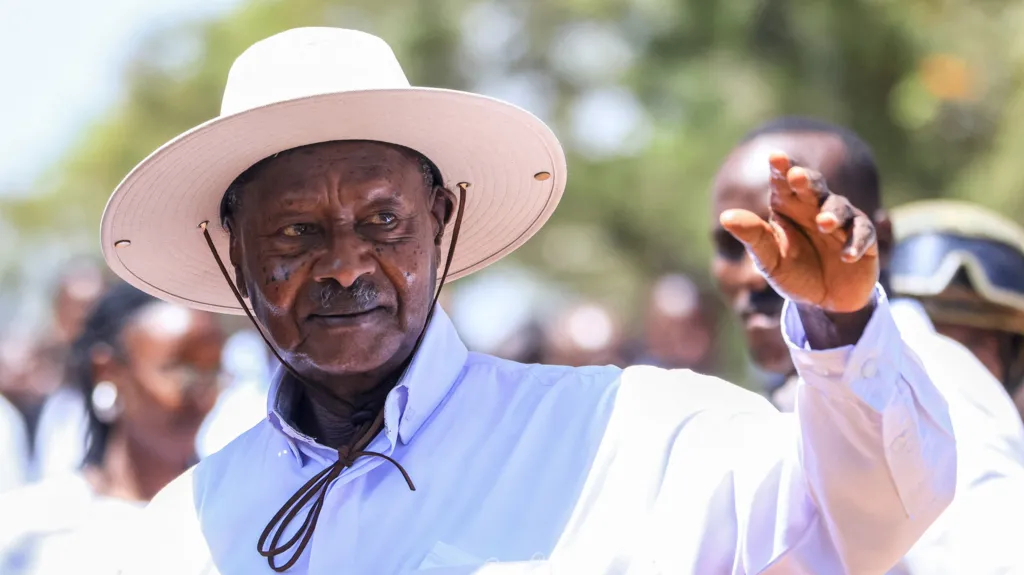
Kampala: Uganda’s long-ruling president Yoweri Museveni has been declared the winner of a highly contested national election, extending his time in power to nearly four decades. The announcement, made by the electoral commission, grants him another five-year term and cements his position as one of Africa’s longest-serving leaders.
According to official results, Museveni secured 72% of the vote, while his closest rival, opposition leader Bobi Wine, received 25%. The opposition has rejected the outcome, describing the results as fraudulent and calling for calm but firm civic action. Authorities have yet to formally address the claims.
The vote follows an intense campaign period marked by security crackdowns, restricted political gatherings, and rising tension in several parts of the country. Wine, a former pop star turned politician, has urged supporters to pursue non-violent protests while insisting the election failed to reflect the will of the people.
Museveni, now 81, first took power in 1986 after leading a rebel movement. Since then, he has won seven elections, arguing that his leadership has brought stability to a nation once plagued by internal conflict. However, critics say the extended rule has weakened democratic institutions and narrowed political space.
Election day and its aftermath were overshadowed by reports of violence. Opposition figures claim that at least 21 people were killed during election-related unrest, although authorities have so far confirmed seven deaths. Independent verification has been difficult due to restrictions on communication.
Internet access across Uganda has remained blocked since earlier in the week. The government maintains the shutdown was necessary to curb misinformation and prevent unrest. Rights groups and the UN human rights office have condemned the move, warning that it undermines transparency and freedom of expression. The opposition has demanded an immediate restoration of access.
Tensions escalated overnight after Wine’s party alleged that security forces attempted to detain him at his Kampala residence. Police denied the claim, stating that access to the area was restricted due to security concerns. Wine later said he had evaded arrest and was in hiding, after previously claiming he was under house arrest.
Supporters of the opposition argue that the election highlighted a generational divide. With most Ugandans under the age of 30, Wine has positioned himself as a voice for youth, promising anti-corruption reforms and institutional change. Museveni, by contrast, campaigned on a platform of continuity, presenting himself as a guarantor of national stability.
Six other candidates contested the presidency but each secured less than 2% of the vote. Official turnout stood at 52.5%, reflecting voter fatigue and ongoing concerns about the credibility of the electoral process.