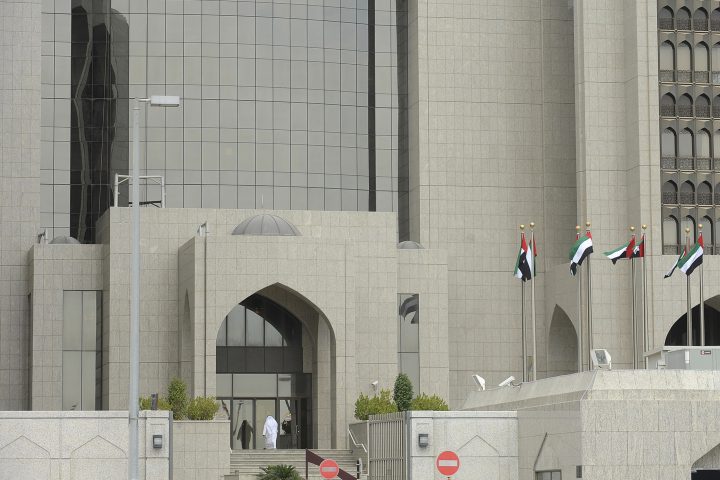
Abu Dhabi Customs recorded strong growth across its digital operations during the first half of 2026, highlighting the emirate’s continued push to make cross-border trade faster, simpler and increasingly automated.
The General Administration of Abu Dhabi Customs said customs transactions conducted through digital platforms increased 12% year on year during the first six months of 2026.
The performance was accompanied by improvements in pre-arrival processing, proactive transactions and services completed through direct digital integration.
For businesses importing and exporting goods through Abu Dhabi, these developments are particularly significant. Faster customs processing can reduce administrative delays, improve the predictability of supply chains and make it easier for companies to move goods through the emirate.
Read Also: The best Movers in the UAE
Pre-Arrival Clearance Reaches 89%
One of the strongest indicators was the expansion of pre-arrival customs clearance.
Abu Dhabi Customs said pre-arrival clearance transactions reached 89%, representing an increase of seven percentage points compared with the first half of 2025.
Pre-arrival clearance allows customs procedures to begin before goods physically reach the port or border.
Instead of waiting until a shipment arrives to begin processing documentation, relevant information can be submitted and assessed in advance.
For importers and logistics companies, that can translate into shorter waiting periods and faster movement of cargo once it reaches Abu Dhabi.
The high proportion of transactions handled before arrival also demonstrates how digital infrastructure is becoming embedded in the emirate’s trade ecosystem.
Customs Clearance Accounts for 32% of Transactions
Customs clearance transactions represented 32% of total digital transactions during the period, with their share increasing by 3.9%.
The figures indicate growing adoption of electronic customs services by businesses and other users.
As more processes move online, companies can complete administrative requirements without depending as heavily on manual paperwork or physical service centres.
This shift forms part of Abu Dhabi’s broader strategy of digitising government services and reducing friction for businesses.
Proactive Customs Transactions Increase 13.3%
Another notable area of growth came from proactive services.
The number of proactive transactions increased 13.3% during the first half.
Proactive government services aim to anticipate what customers need rather than requiring them to repeatedly initiate procedures themselves.
In customs operations, greater automation and data integration can allow systems to identify required processes, exchange information and complete certain steps with less manual intervention.
The result can be a more efficient customs experience, particularly for companies handling large volumes of shipments.
Direct Integration Transactions Jump 23.5%
Transactions completed through direct integration recorded even faster growth, rising 23.5%.
Direct integration allows customs systems to communicate electronically with other platforms and participating organisations.
For businesses, the benefit is potentially substantial.
Integrated systems can reduce duplicate data entry, improve information accuracy and shorten the time required to complete administrative processes.
The 23.5% increase suggests Abu Dhabi Customs is moving beyond simply putting traditional customs procedures online and toward a more interconnected digital trade environment.
Customer Satisfaction Reaches 95.6%
The digital expansion was accompanied by high customer satisfaction scores.
Abu Dhabi Customs achieved a 95.6% customer satisfaction rating for services delivered through TAMM, Abu Dhabi’s unified government services platform.
The Customer Effort Index reached 95.7%, while the Service Quality Index stood at 96%, with the latter recording an improvement of 3.3%.
These indicators are important because digitalisation alone does not guarantee a better customer experience.
A government service can be technically digital while remaining difficult to navigate. High satisfaction and service-quality scores suggest users are also seeing improvements in accessibility and ease of use.
Why Digital Customs Matters for Abu Dhabi Businesses
Customs efficiency has a direct effect on the wider economy.
Companies involved in retail, manufacturing, construction, food distribution and numerous other industries depend on predictable movement of goods.
Delays at ports or border checkpoints can create additional warehousing expenses, disrupt production schedules and increase logistics costs.
A customs system capable of processing shipments before arrival and exchanging information automatically can reduce some of those pressures.
For companies considering Abu Dhabi as a regional distribution or manufacturing base, customs efficiency can therefore become part of the emirate’s broader investment proposition.
Supporting More Reliable Supply Chains
Supply-chain resilience has become increasingly important to governments and businesses following years of disruption to global shipping and international trade.
Customs agencies sit at an important point in those networks.
They must balance two objectives: maintaining effective regulatory and security controls while allowing legitimate trade to move efficiently.
Digital systems can help reconcile those requirements by using better information, automated processes and integrated databases to identify shipments requiring greater scrutiny while allowing lower-risk transactions to progress more efficiently.
Abu Dhabi Customs’ growth in pre-arrival and directly integrated transactions points toward this type of model.
Abu Dhabi Customs H1 2026 Performance
| Indicator | H1 2026 Performance |
|---|---|
| Digital customs transactions | +12% YoY |
| Customs clearance share | 32% |
| Customs clearance increase | +3.9% |
| Pre-arrival clearance | 89% |
| Pre-arrival clearance increase | +7 percentage points |
| Proactive transactions | +13.3% |
| Direct integration transactions | +23.5% |
| Customer satisfaction | 95.6% |
| Customer Effort Index | 95.7% |
| Service Quality Index | 96% |
The numbers demonstrate that some of the fastest growth is occurring in services that require greater automation and system-to-system integration.
Technology Becomes Central to Trade Facilitation
Abu Dhabi’s customs strategy reflects a broader shift in international trade.
Traditional customs systems depended heavily on physical documentation, manual inspections and repeated interaction between companies and government agencies.
Modern systems increasingly rely on electronic documentation, data analysis, automated risk assessment and connections between government and business platforms.
The objective is not simply to eliminate paperwork.
It is to create a customs environment in which information can move ahead of physical cargo, allowing decisions to be made earlier and shipments to move faster.
The 89% pre-arrival clearance rate demonstrates how extensively that approach is already being applied in Abu Dhabi.
Businesses at the Centre of Customs Transformation
Mubarak Matar Al Mansoori, Executive Director of the Operations Sector at Abu Dhabi Customs, said the authority places customers and the business community at the centre of its priorities.
He said its smart and integrated services are designed around international best practices, with an emphasis on simplifying procedures and improving processing speed.
That business-focused approach is important because customs procedures can influence the competitiveness of an entire trading hub.
For companies handling time-sensitive cargo or operating complex supply chains, even relatively small improvements in processing times can generate meaningful operational benefits.
Strengthening Abu Dhabi’s Investment Environment
The digital customs expansion also supports Abu Dhabi’s wider ambition to strengthen its position as an international destination for business, trade and investment.
Investors evaluating a market look beyond taxes and licensing requirements.
Infrastructure, logistics, government efficiency and the ability to move goods reliably can all influence investment decisions.
An increasingly automated customs system complements Abu Dhabi’s ports, airports, industrial zones and logistics infrastructure by reducing administrative friction between those physical assets.
That can be particularly valuable as the emirate seeks to expand non-oil industries and attract international companies.
Digital Integration Could Deliver Further Gains
The 23.5% increase in directly integrated transactions may be one of the most important figures in the first-half results.
Digital integration allows different parts of the trade ecosystem to communicate more efficiently.
As those connections expand, businesses could encounter fewer duplicated procedures and more automated exchange of documentation.
Over time, greater integration can also provide customs authorities with better data for risk assessment and planning.
That creates the potential for faster clearance without compromising regulatory oversight.
What Comes Next for Abu Dhabi Customs?
The first-half performance suggests that future development will increasingly focus on automation, proactive services and deeper digital integration.
The challenge will be maintaining high service standards as transaction volumes grow.
Cybersecurity, system reliability and data protection will also become increasingly important as customs processes become more dependent on interconnected digital infrastructure.
For businesses, meanwhile, the value of the transformation will ultimately be measured through practical outcomes such as faster processing, predictable clearance times and lower administrative burdens.
Final Thoughts
Abu Dhabi Customs’ first-half 2026 performance demonstrates how rapidly customs administration is becoming digital.
Digital customs transactions increased 12%, while pre-arrival clearance reached 89%. Proactive transactions rose 13.3%, and transactions completed through direct integration jumped 23.5%.
At the same time, customer satisfaction remained exceptionally high at 95.6%, accompanied by strong customer-effort and service-quality scores.
The broader significance extends beyond customs administration.
Efficient border procedures can strengthen supply chains, reduce friction for businesses and improve Abu Dhabi’s competitiveness as an international trade and investment centre.
As the emirate continues developing its logistics and non-oil economy, smart customs infrastructure is becoming an increasingly important part of the foundation supporting that growth.
Frequently Asked Questions
How much did Abu Dhabi Customs digital transactions grow in H1 2026?
Digital customs transactions increased 12% year on year during the first six months of 2026.
What percentage of transactions used pre-arrival clearance?
Pre-arrival clearance reached 89%, seven percentage points higher than in the first half of 2025.
How quickly are directly integrated customs transactions growing?
Transactions completed through direct integration increased 23.5% during the period.
What was Abu Dhabi Customs’ customer satisfaction score?
Customer satisfaction for services provided through TAMM reached 95.6%.
Why is pre-arrival customs clearance important?
It allows customs processing to begin before shipments physically arrive, potentially reducing waiting times and helping goods move through ports and border points more efficiently.
Read Also: ADNOC Says Vessel Attacks Are Significantly Disrupting Operations