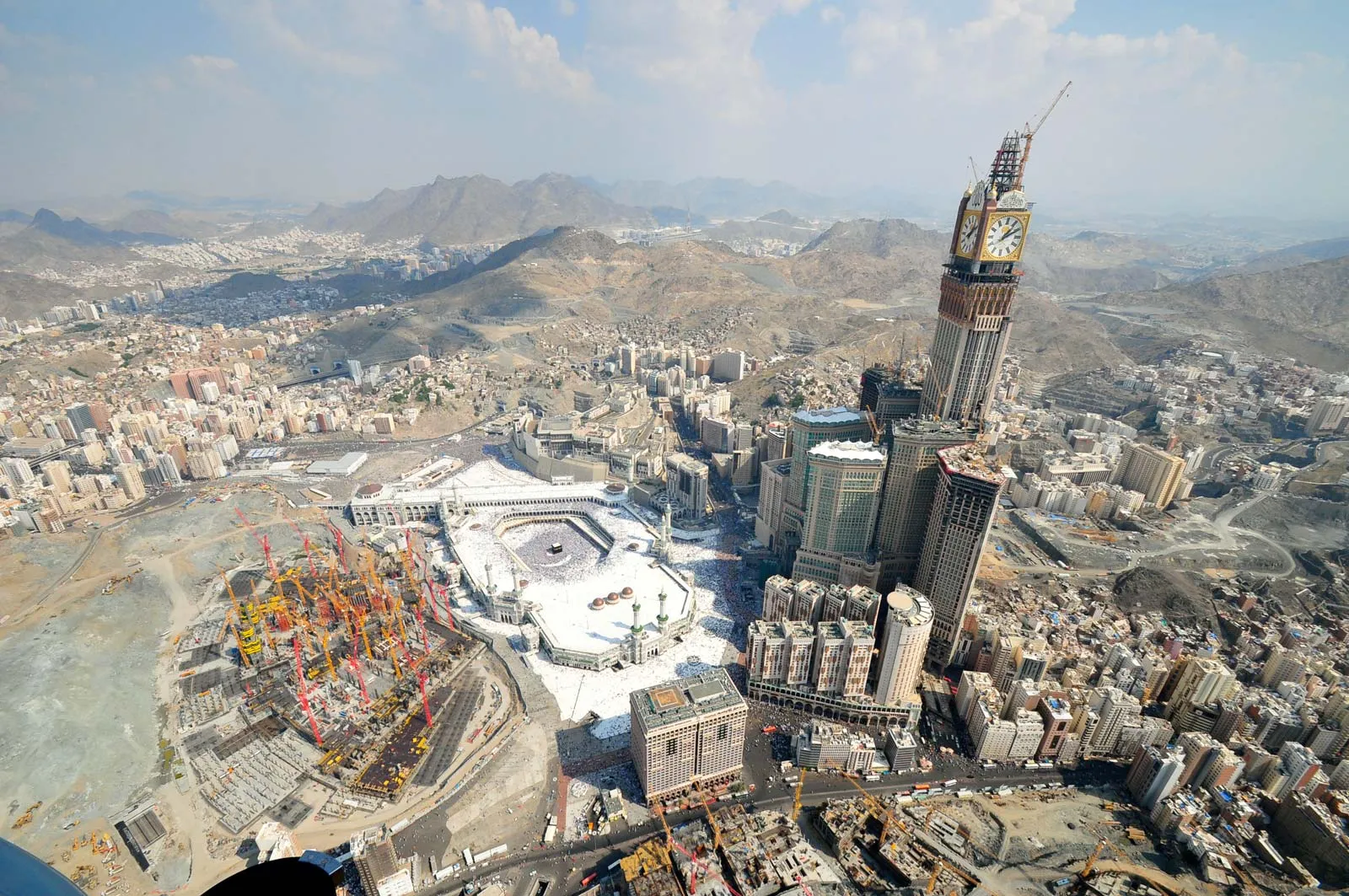
Riyadh – Saudi Arabia is redefining the future of global travel, positioning itself as a dominant force in the tourism industry, according to a new World Economic Forum (WEF) report. As the world braces for 30 billion tourist trips by 2034, the Kingdom is rising rapidly as the second fastest-growing tourism destination globally, backed by strategic investments, innovation, and sustainable infrastructure.
A Global Travel Transformation
The WEF’s report, Travel and Tourism at a Turning Point: Principles for Transformative Growth, developed in collaboration with Kearney and Saudi Arabia’s Ministry of Tourism, projects $16 trillion in global tourism GDP by 2034—more than 11% of global economic output.
Saudi Arabia, under the bold roadmap of Vision 2030, is not only attracting visitors at record levels but also reshaping how tourism contributes to inclusive prosperity, cultural diplomacy, and economic resilience.
“Saudi Arabia is more than a destination—it’s a global catalyst for tourism transformation,” the report emphasized.
Key Growth Drivers and Global Context
The report identifies several high-growth tourism markets. Notably, India and China are projected to account for over 25% of outbound travel by 2030. Other fast-growing tourism economies include Sri Lanka, Indonesia, and Thailand, all benefitting from increased investment and global exposure.
Segments such as sports tourism are booming, expected to reach $1.7 trillion by 2032, while ecotourism grows at a 14% compound annual growth rate (CAGR). Additionally, the travel tech market, valued at $10.5 billion in 2024, is forecasted to nearly double by 2033, with 91% of industry leaders planning to ramp up investments.
To support the forecasted growth, the global sector will require 7 million new hotel rooms, 15 million additional flights annually, and vast infrastructure upgrades capable of supporting 30 billion trips per year.
Challenges Ahead
Despite the opportunities, the WEF report highlights risks that could undermine growth:
- Greenhouse gas emissions from tourism could rise from 8% to 15% of the global total by 2034.
- Tourist-generated waste may hit 205 million tons per year.
- Labour shortages persist, with the UK hospitality sector seeing 53% turnover, and US hotels struggling to hire even with wage increases above inflation.
The report warns of $6 trillion in potential revenue loss by 2030 if the sector fails to address these challenges with urgency and innovation.
A Saudi Blueprint for the Future
Ahmed Al Khateeb, Saudi Arabia’s Minister of Tourism, underscored the Kingdom’s leadership role:
“Tourism is not just an industry—it’s a catalyst for global cooperation, cultural understanding, and economic growth. We’re investing in regenerative destinations, infrastructure, and human capital to welcome 150 million visitors by 2030 and co-create the future of global travel.”
Børge Brende, President and CEO of the WEF, added:
“Tourism’s power to drive sustainability, equity, and prosperity is immense—but it requires a complete reimagining. This report offers the framework to do just that.”
Bob Willen, Chairman at Kearney, emphasized actionable priorities such as green infrastructure, cultural preservation, and resilient tourism models:
“It’s not just about growth—it’s about smarter, more inclusive, and more sustainable growth.”
Source: The Arabian Wall Street