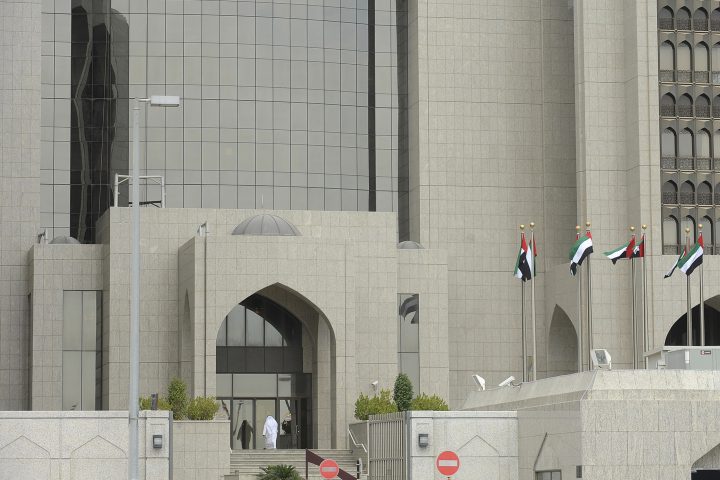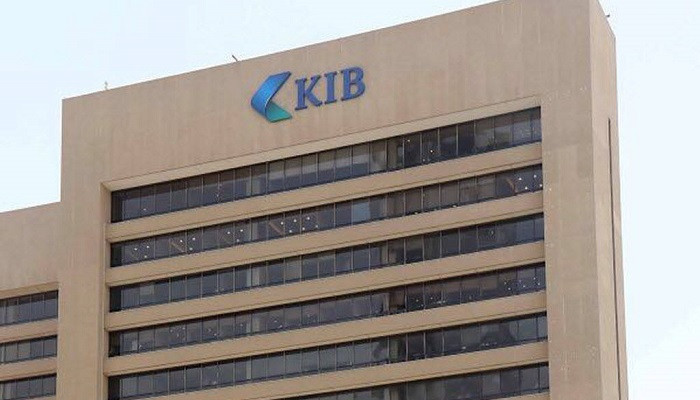
Kuwait International Bank has received final approval from the Central Bank of Kuwait to proceed with an unsecured senior sukuk issuance of up to $600 million, giving the Islamic lender access to international debt markets under its existing sukuk programme.
The bank confirmed that the approval was obtained on August 4, 2026. The proposed notes will be issued under KIB’s established $1.5 billion sukuk programme, according to the bank’s official regulatory disclosure.
The transaction represents another significant Islamic capital-markets deal from the Gulf, where banks and corporations continue using sukuk to diversify funding sources and support balance-sheet growth.
Sukuk Will Be Issued Under $1.5 Billion Programme
Rather than establishing a new funding programme specifically for the transaction, Kuwait International Bank will issue the securities through its existing $1.5 billion framework.
Sukuk programmes allow issuers to return to the market periodically without creating an entirely new documentation structure for every transaction.
This can make future capital raising faster and more efficient, subject to regulatory approvals and prevailing market conditions.
KIB’s planned $600 million issue will therefore represent a sizeable drawdown from its broader programme.
The bank’s disclosure identifies the securities as unsecured senior sukuk, meaning investors would rank as senior unsecured creditors according to the terms of the issuance rather than having a direct secured claim over specific bank assets.
Cayman Islands SPV to Be Used for the Transaction
The sukuk will be issued through a special-purpose vehicle incorporated in the Cayman Islands.
Using a special-purpose vehicle, or SPV, is common in international sukuk transactions.
The SPV acts as the legal issuing entity and facilitates the contractual structure needed to create Shariah-compliant securities for investors.
This does not mean Kuwait International Bank is relocating any part of its banking operations to the Cayman Islands. The vehicle is used specifically for structuring and issuing the sukuk.
Such arrangements are widely used across international Islamic capital markets because they help separate the issuance structure from the operating bank itself.
What Is a Senior Unsecured Sukuk?
Sukuk are Shariah-compliant financial instruments commonly compared with conventional bonds, although their legal structures are different.
Traditional bonds generally represent interest-bearing debt.
Islamic finance prohibits conventional interest, so sukuk use contractual arrangements structured around permissible assets, services or investment activities.
The word “senior” refers to the ranking of investors relative to certain other creditors if the issuer experiences financial difficulty.
“Unsecured” means the securities are not backed by a specific pool of pledged collateral.
The exact rights of investors are determined by the offering documents and transaction structure.
Why KIB Is Using the Sukuk Market
Banks issue sukuk for many of the same strategic reasons that conventional banks access bond markets.
The proceeds can help diversify funding, strengthen liquidity and support expansion of financing activities.
Relying entirely on customer deposits can create concentration in a bank’s funding structure.
Accessing capital markets allows lenders to introduce additional sources of medium- or long-term financing.
For Kuwait International Bank, the new issuance could provide greater flexibility as it continues expanding its Shariah-compliant banking operations.
The bank has not yet disclosed all final terms of the transaction, including pricing and maturity, in the initial approval announcement.
KIB Sukuk Issue at a Glance
| Detail | Information |
|---|---|
| Issuer | Kuwait International Bank |
| Maximum issue size | $600 million |
| Instrument | Senior unsecured sukuk |
| Programme size | $1.5 billion |
| Regulatory approval | Central Bank of Kuwait |
| Approval date | August 4, 2026 |
| Issuing structure | Special-purpose vehicle |
| SPV jurisdiction | Cayman Islands |
| Market | Islamic capital markets |
The official KIB disclosure confirms the final Central Bank approval and the senior unsecured structure under the existing programme.
Kuwait Remains an Important Islamic Finance Market
Kuwait has a well-established Islamic banking sector alongside conventional financial institutions.
Islamic banks serve both retail and corporate customers while also participating actively in sukuk and other Shariah-compliant capital-market transactions.
The planned KIB issue comes as Islamic finance continues expanding across the GCC and internationally.
Banks increasingly use sukuk not only because of their Shariah-compliant structure but also because they can provide access to a global investor base spanning the Middle East, Asia and international fixed-income institutions.
Sukuk Gives Banks Another Funding Channel
Bank balance sheets typically contain several funding sources.
Customer deposits are usually the largest.
However, banks can also use:
- Sukuk
- Conventional bonds where applicable
- Interbank financing
- Syndicated facilities
- Shareholder equity
- Other wholesale funding
Diversification can reduce dependence on any one source.
This becomes particularly valuable when banks are growing their financing portfolios or when competition for customer deposits increases.
Capital-market funding can also provide longer maturities than some forms of short-term bank financing.
Read Also: Riyad Capital Issues $133M Sukuk for Sumou Global Investment
Investor Demand Will Determine Final Pricing
Central Bank approval allows KIB to move ahead, but final pricing will ultimately depend on conditions in the market at the time of issuance.
Investors will consider factors including the bank’s creditworthiness, maturity of the sukuk, benchmark interest rates and comparable recent Islamic debt offerings.
Market volatility can also affect the spread investors demand.
Strong demand can help an issuer secure more attractive pricing.
Weak investor appetite can force issuers to offer higher returns or delay a transaction altogether.
The initial announcement does not provide a final profit rate or issue price.
Why the $600 Million Size Matters
A $600 million issuance is substantial enough to attract international institutional investors.
Larger benchmark-sized transactions can sometimes offer better market liquidity than smaller deals because more securities are available for trading.
They may also qualify for inclusion in certain fixed-income indices, depending on the eligibility criteria.
Greater liquidity can broaden the investor base and make a security more attractive to international asset managers.
For KIB, a successful transaction could also provide a useful pricing reference for future capital-market borrowing.
Islamic Capital Markets Continue Expanding
The transaction comes against the backdrop of strong growth across Islamic finance.
Sukuk have become an established funding instrument for governments, banks and corporations throughout the GCC.
Saudi Arabia, the UAE, Kuwait, Qatar and Bahrain are among the region’s active Islamic debt markets.
Issuers have used sukuk to fund infrastructure, refinance existing obligations and diversify balance-sheet financing.
Islamic financial institutions themselves are frequent issuers because the structure aligns naturally with their Shariah-compliant operating models.
Why Banks Need Long-Term Funding
Banking involves a constant balancing act between funding and lending.
Customers may deposit money for relatively short periods while banks provide home financing and corporate facilities that can remain outstanding for many years.
This creates what financial institutions call maturity transformation.
Longer-term wholesale funding can help banks better match portions of their liabilities with the duration of their financing assets.
A sukuk transaction may therefore support both liquidity management and balance-sheet planning.
Cayman SPVs Are Common in International Sukuk
The use of a Cayman Islands SPV can sound unusual to readers unfamiliar with international debt markets, but such structures are established practice.
The vehicle is generally created specifically for the financing transaction.
It issues the sukuk certificates to investors and enters into contractual arrangements supporting the Shariah-compliant structure.
The operating bank remains headquartered and regulated in its home jurisdiction.
The Cayman entity exists primarily as part of the legal architecture of the issuance.
Regulatory Approval Is an Important Step
KIB’s receipt of final approval from the Central Bank of Kuwait is a key milestone, but regulatory approval should not be confused with completion of the transaction.
The bank still needs to execute the issuance according to market conditions and the relevant documentation.
The eventual deal may include additional information concerning maturity, expected profit rate, listing venue and investor allocation.
Those details normally emerge when an issuer formally markets and prices the securities.
What Investors Will Watch
Several factors will determine how the market responds to the KIB sukuk.
Investors are likely to evaluate the bank’s financial performance, capital ratios, asset quality and profitability.
They will also compare the proposed transaction with outstanding sukuk from other Kuwaiti and GCC banks.
Global monetary conditions will matter as well.
Changes in benchmark rates can alter required yields across fixed-income markets, including Islamic securities.
Sukuk Can Expand Kuwait’s Capital Markets
Transactions of this size can contribute to the broader development of Kuwait’s financial market.
Regular issuance creates more investment choices for institutional investors and helps establish pricing references for future corporate borrowing.
It can also strengthen Kuwait’s connection to international Islamic capital markets.
As more banks and companies issue Shariah-compliant securities, the depth and diversity of the market can improve.
This could make Kuwait more attractive to international investors seeking GCC fixed-income exposure.
Final Thoughts
Kuwait International Bank’s approval to issue up to $600 million of senior unsecured sukuk marks an important step in the bank’s funding strategy.
The securities will be issued under KIB’s existing $1.5 billion sukuk programme through a special-purpose vehicle incorporated in the Cayman Islands. The Central Bank of Kuwait granted final approval on August 4.
The transaction gives KIB another route to diversify funding and potentially strengthen its liquidity while broadening access to international Islamic capital.
Attention will now shift to the final structure, maturity and pricing of the sukuk when the bank proceeds to market.
Frequently Asked Questions
How much sukuk can Kuwait International Bank issue?
KIB has obtained Central Bank approval for a senior unsecured sukuk issuance of up to $600 million.
What is the size of KIB’s sukuk programme?
The proposed issue falls under the bank’s existing $1.5 billion sukuk programme.
Is the sukuk secured?
No. KIB describes the proposed notes as senior unsecured sukuk.
Where will the sukuk be issued?
The transaction will use a special-purpose vehicle incorporated in the Cayman Islands.
Has KIB announced the final yield?
Not in the initial Central Bank approval disclosure. Final pricing and other transaction details are expected when the securities are marketed and issued.
Read Also: Saudi Investment Expands 5.1% to SAR358.3 Billion in Q1 2026