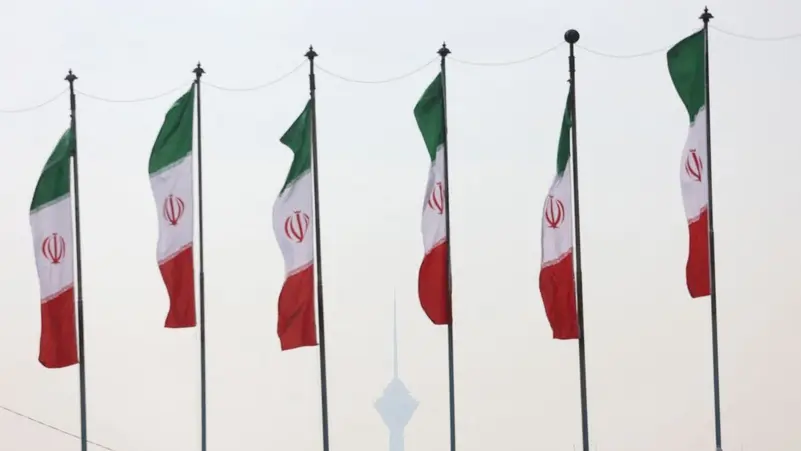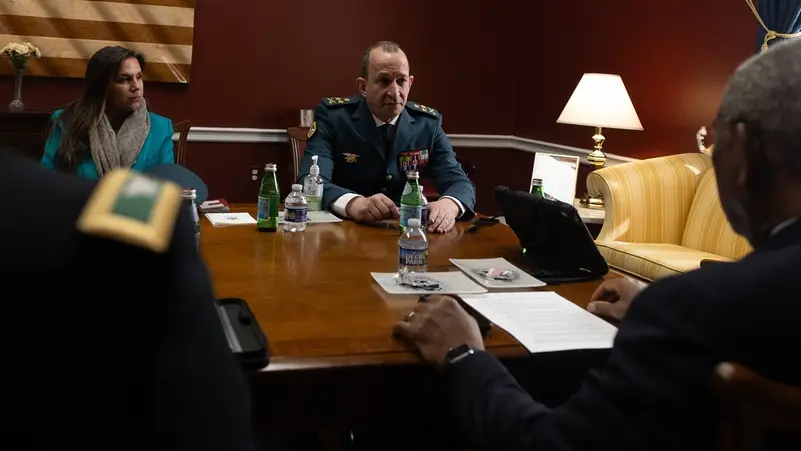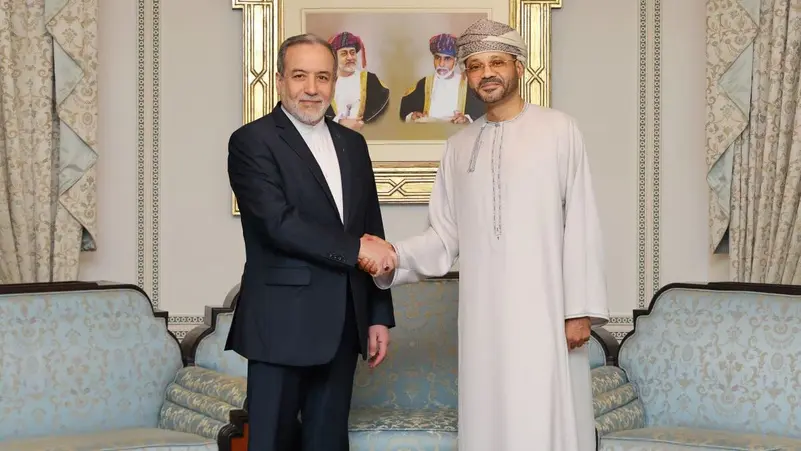
Iran said its latest diplomatic engagement with the United States, hosted and mediated by Oman, marked a constructive opening that could pave the way for continued negotiations on Tehran’s nuclear program, easing immediate fears of a slide toward military confrontation in the Middle East.
Speaking after the talks in Muscat, Iran’s Foreign Minister Abbas Araghchi described the discussions as a “good start,” confirming that both sides had agreed in principle to continue dialogue, with next steps to be coordinated through their respective capitals.
Narrow focus defines Iran’s position
Araghchi stressed that Tehran entered the talks with a clearly defined agenda, centered exclusively on the nuclear issue. He said meaningful dialogue requires an environment free from threats and coercive pressure, adding that Iran would not entertain discussions beyond its nuclear file.
According to the Iranian diplomat, topics such as Iran’s regional influence, ballistic missile capabilities, or internal political matters remain outside the scope of talks with Washington. This stance reinforces long-standing red lines set by the Islamic Republic, particularly regarding its missile program, which Iranian officials regard as a core element of national defense.
Washington seeks broader negotiations
While Tehran insists on a narrow framework, the United States has signaled a desire for more comprehensive discussions. Marco Rubio, speaking earlier in the week, said Washington wanted talks to eventually address Iran’s missile development, its support for armed groups across the region, and human rights concerns.
This divergence highlights the central challenge facing the negotiations: aligning fundamentally different expectations while maintaining enough momentum to keep diplomacy alive.
Uranium enrichment remains central dispute
Iranian officials reiterated their demand for international recognition of Iran’s right to enrich uranium, a position they argue is guaranteed under international agreements. Tehran has repeatedly denied seeking nuclear weapons, insisting its nuclear activities are intended for peaceful purposes.
For Washington, however, domestic uranium enrichment remains a red line, given its potential pathway toward weapons-grade material. The issue has been at the heart of tensions between Iran and Western powers for more than a decade.
Araghchi told Iranian state television that, despite these differences, there was a shared understanding on continuing talks and working toward a framework that could eventually support an agreement.
Oman describes talks as serious and substantive
Oman, which has long played a quiet mediating role between Iran and the West, described the discussions as substantive. Badr bin Hamad al-Busaidi said the talks were “very serious,” noting that the outcomes would now be reviewed carefully in both Tehran and Washington before scheduling further meetings.
Omani mediation has historically provided a discreet channel for dialogue during periods of heightened tension, including earlier phases of nuclear negotiations.
Shadows of recent military escalation
The renewed diplomacy comes against a backdrop of deep mistrust. Iran’s leadership remains wary of Donald Trump, who has repeatedly warned of military action if talks fail.
Last June, the United States struck Iranian nuclear targets during the closing stages of a 12-day Israeli air campaign, marking one of the most direct confrontations between Washington and Tehran in years. Iranian authorities later said they had halted uranium enrichment following the strikes.
Since then, a significant U.S. naval buildup in regional waters, described by Trump as a massive “armada,” has further heightened tensions.
Domestic unrest and regional anxiety
The diplomatic push also follows a period of internal unrest in Iran, after a violent crackdown on nationwide protests last month drew international condemnation. These events have added another layer of strain to US-Iran relations, complicating efforts to rebuild trust.
Regional and global powers are watching closely, concerned that a collapse in talks could trigger a new conflict that would reverberate across the oil-rich Middle East.
Warnings of escalation remain
Trump has publicly warned that “bad things” could happen if negotiations fail, language that Iranian officials see as further evidence of pressure tactics. Tehran, for its part, has vowed to respond forcefully to any attack and has cautioned neighboring countries against facilitating strikes on Iranian territory.
Iranian leaders have repeatedly stated that any regional involvement in military action against Iran could place those countries directly in harm’s way.
Missile program remains immovable red line
Negotiators in Oman face the difficult task of bridging gaps without crossing Iran’s firmly stated limits. Tehran has categorically ruled out any talks on its missile capabilities, including range and development, describing them as non-negotiable defense assets.
Whether diplomacy can progress while avoiding these issues remains an open question, as both sides weigh the risks of compromise against the dangers of renewed confrontation.