Appointment and Significance
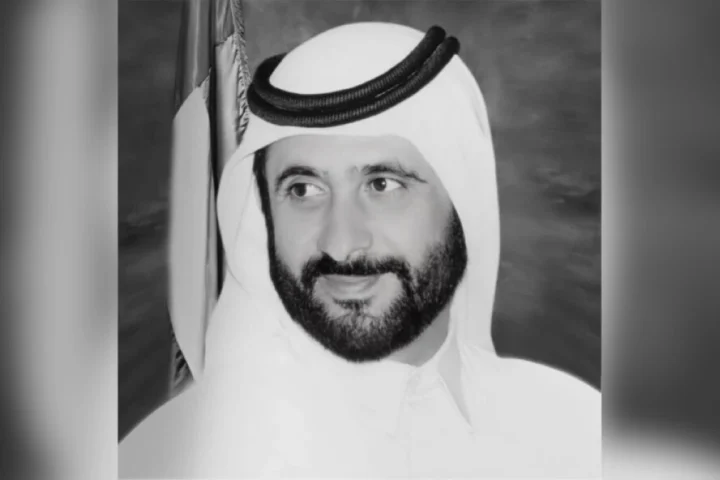
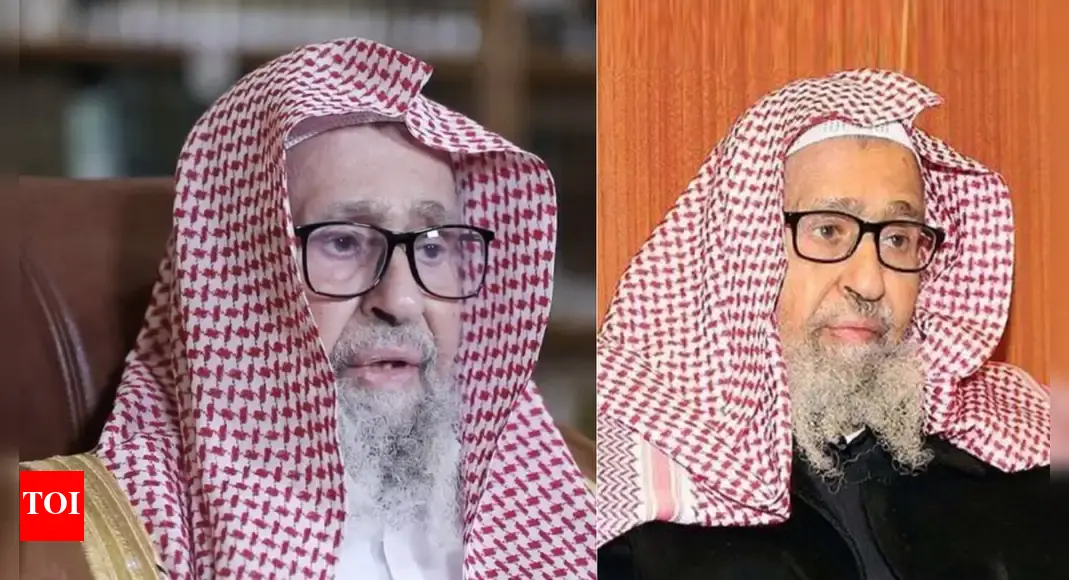
On 23 October 2025, the Kingdom of Saudi Arabia appointed Sheikh Saleh bin Fawzan al-Fawzan as the nation’s new Grand Mufti, marking a historic shift in the country’s religious leadership. The appointment follows the passing of Sheikh Abdulaziz bin Abdullah al-Sheikh, who held the position for more than 25 years before his death in September 2025.
King Salman approved the appointment on the advice of Crown Prince Mohammed bin Salman, aligning religious leadership with the kingdom’s broader reform agenda. The move underscores the Crown Prince’s ongoing effort to balance modernization with the preservation of Saudi Arabia’s conservative religious identity.
This appointment is especially significant because al-Fawzan does not belong to the Al ash-Sheikh family—the descendants of Muhammad ibn Abd al-Wahhab, founder of the Wahhābī movement. For centuries, this family held a near-exclusive claim to the position of Grand Mufti, symbolizing the deep alliance between the ruling House of Saud and the religious establishment. The selection of a scholar from outside this lineage signals a potential institutional transformation in the kingdom’s religious hierarchy.
Background of Sheikh Saleh Al-Fawzan
Born on 28 September 1935 in Al-Qassim, Sheikh Al-Fawzan grew up in a family known for its devotion to religious learning. He studied at Imam Muhammad bin Saud Islamic University, where he later earned both a master’s and a doctoral degree in Fiqh (Islamic jurisprudence). His education and scholarship placed him among Saudi Arabia’s most respected theologians.
Over the decades, he has authored more than 35 books, taught thousands of students, and become a familiar voice on the popular radio program Noor ʿAla ad-Darb (“Light Upon the Path”). Through these efforts, he gained a reputation for both academic rigor and unwavering orthodoxy.
Sheikh Al-Fawzan has served in several senior roles, including member of the Council of Senior Scholars, professor of Islamic Studies, and participant in the Permanent Committee for Scholarly Research and Ifta. These positions established his credibility within the Saudi religious establishment and the broader Sunni world.
Role and Responsibilities as Grand Mufti
As Grand Mufti, Sheikh Al-Fawzan now occupies the highest religious position in Saudi Arabia. His office serves as the primary source of official fatwas (religious rulings) and provides guidance on how Islamic law is interpreted across the kingdom.
The Grand Mufti oversees key religious institutions, including the Permanent Committee for Islamic Research and Issuing Fatwas, and advises on legislation, education, and public policy. Because Saudi Arabia is home to Islam’s two holiest cities—Mecca and Medina— his pronouncements resonate well beyond the kingdom, shaping theological debates across the Muslim world.
Context: A Nation in Transition
Sheikh Al-Fawzan’s appointment comes at a time when Saudi Arabia is experiencing one of the most transformative periods in its modern history. Under the Vision 2030 initiative, the kingdom has undertaken major social and economic reforms, such as expanding women’s rights, opening entertainment venues, and diversifying its economy beyond oil.
These reforms have at times tested the relationship between the state and the religious establishment. By appointing Al-Fawzan—a figure known for his doctrinal conservatism but political neutrality—the Saudi leadership appears to be reinforcing religious legitimacy while retaining control over the pace of modernization.
Many observers interpret the appointment as a sign that the Crown Prince wants a steady, credible religious voice who can lend spiritual authority to the government’s reform policies without provoking backlash from conservative clerics.
Implications for Religious Policy
Under Sheikh Al-Fawzan’s leadership, Saudi religious policy is expected to maintain a conservative foundation while cautiously supporting the government’s modernization goals. His scholarly standing makes him a respected authority among traditionalists, yet his appointment outside the Al ash-Sheikh family hints at an evolving structure within the religious establishment.
Future challenges may include reforming religious education, strengthening youth engagement in faith institutions, and shaping Saudi Arabia’s religious diplomacy abroad. As the kingdom seeks to project a more moderate and globally engaged version of Islam, the Grand Mufti’s role will be crucial in framing theological narratives that align with this vision.
International and Regional Implications
The appointment of a new Grand Mufti has drawn attention from religious scholars and governments across the Muslim world. The position carries global significance; statements from the Saudi Grand Mufti often influence interpretations of Islamic law far beyond the Arabian Peninsula.
Internationally, Sheikh Al-Fawzan is known for his strict doctrinal interpretations. Some of his past remarks—such as his 2017 statement referring to Shia Muslims as “brothers of Satan”—have been controversial. Such views may complicate Saudi Arabia’s efforts to promote interfaith dialogue and regional reconciliation, especially with nations like Iran and communities within Iraq, Lebanon, and Yemen.
Nevertheless, his appointment could also offer a chance for measured theological dialogue. If guided by the government’s diplomatic priorities, Al-Fawzan might help steer religious discourse toward moderation and unity while maintaining Saudi Arabia’s doctrinal independence.
Challenges Ahead
As Grand Mufti, Sheikh Al-Fawzan faces a range of pressing challenges:
- Balancing reform and tradition — He must support national modernization without alienating conservatives who form a key part of the religious base.
- Engaging the youth — With most Saudis under 35, the younger generation’s engagement with religion increasingly happens online. The Grand Mufti must adapt religious outreach to a digital age.
- Countering extremism — Saudi Arabia continues to position itself as a leader in the fight against radical ideologies. His fatwas and teachings will play a major role in defining what constitutes moderation.
- Navigating regional politics — His statements can influence Saudi Arabia’s religious diplomacy, especially amid regional sectarian tensions.
These challenges require a careful blend of theological conservatism and political tact.
Legacy of Sheikh Abdulaziz Al-Sheikh
Sheikh Abdulaziz Al-Sheikh, who held the post from 1999 to 2025, left a complex legacy. During his tenure, Saudi Arabia underwent enormous social changes. He supported reforms cautiously, often urging citizens to respect both Islamic principles and state authority. His steady presence helped maintain stability during turbulent times, including the Arab Spring and the rise of extremism in the region.
The smooth handover to Sheikh Al-Fawzan highlights the government’s desire for continuity and confidence in the religious establishment’s loyalty.
Broader Religious and Political Implications
By choosing Al-Fawzan, the Saudi leadership reinforces the principle that religious legitimacy must complement—not challenge—state policy. The move could mark the beginning of a new era where authority in religious matters is more institutional than familial, giving the government greater flexibility in shaping official religious discourse.
Analysts suggest this shift could also strengthen Saudi Arabia’s global religious influence, particularly through its leadership of Islamic institutions such as the Muslim World League and the Organization of Islamic Cooperation (OIC).
Conclusion
The appointment of Sheikh Saleh Al-Fawzan as Grand Mufti of Saudi Arabia represents a defining moment in the nation’s balance between tradition and transformation. With decades of scholarship behind him, he commands respect across the Sunni world. Yet his new position also places him at the crossroads of change, where religion, politics, and reform converge.
His leadership will shape how Saudi Arabia interprets Islam in a rapidly modernizing society. Whether he upholds strict orthodoxy or guides the religious establishment toward moderation will determine not only his legacy but also the kingdom’s spiritual direction for generations to come.