September 29, 2025 — Middle East — Most stock markets in the Gulf closed higher on Monday, driven by investor optimism regarding potential U.S. Federal Reserve rate cuts. The U.S. Commerce Department revealed that the Personal Consumption Expenditures Price Index (PCE) rose by 0.3% in August, matching economists’ estimates. This announcement sparked speculation that the U.S. Federal Reserve will likely cut interest rates in the near future, supporting investor sentiment globally.
Investor Optimism on Rate Cuts Boosts Gulf Markets
Traders are currently pricing in a 90% chance of a Fed rate cut in October, with an around 65% probability of another cut in December, according to the CME FedWatch Tool. The possibility of further easing by the U.S. Federal Reserve is a crucial driver for Gulf markets, where most currencies, including the Saudi riyal, are pegged to the dollar.
Saudi Arabia’s Stock Market Shines
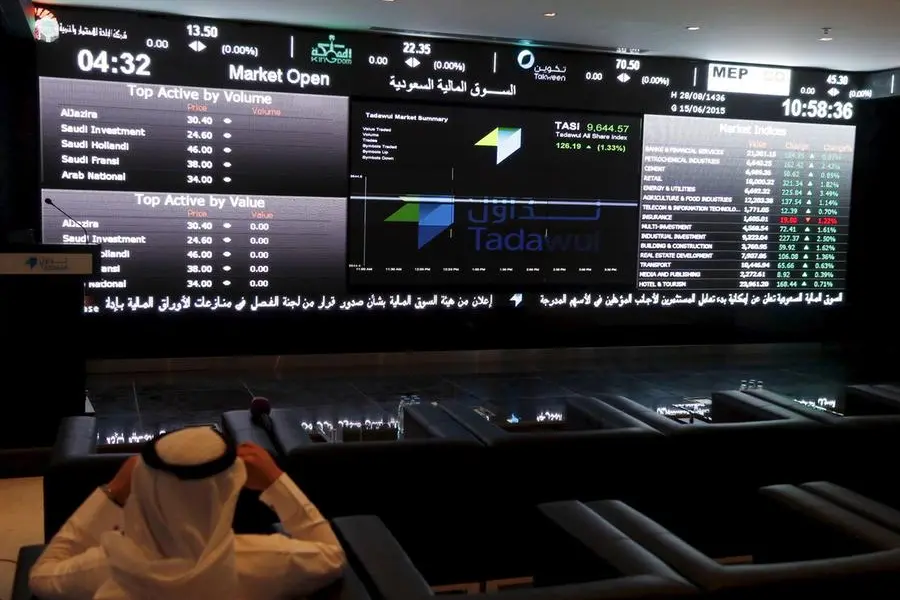
Leading the pack in the Middle East was Saudi Arabia, where the benchmark index surged 1.8%, breaking a two-session losing streak. This increase was largely driven by a 3.7% rise in Al Rajhi Bank and a 2.2% increase in Saudi Aramco, the world’s most valuable oil company. The Saudi stock market has been buoyed by reports that regulators may relax the 49% foreign ownership cap on listed companies, a move expected to attract substantial foreign investment into the kingdom’s equity markets.
Saudi Arabia’s index has shown remarkable growth, as it soared by 5.1% on Wednesday, marking its largest single-day gain in over five years. The rally came in the wake of optimism about reforms that could unlock significant capital inflows.
Other Gulf Markets Show Mixed Performance
Meanwhile, Dubai’s main index inched up by 0.2%, with Dubai Islamic Bank rising by 1.7%. However, Abu Dhabi’s index eased by 0.1%, led by declines in select stocks. Qatar’s index added 0.2%, buoyed by a 3.6% gain in telecom firm Ooredoo, signaling a strong performance despite broader challenges in the global energy markets.
Global Oil Prices Weigh on Market Sentiment
The price of oil — a key driver of the Gulf’s financial markets — fell by nearly 2% as OPEC+ announced plans to increase oil output in November, while Iraq’s Kurdistan region resumed oil exports via Turkey, raising global supply expectations. Despite the decline in oil prices, markets in the Middle East remained relatively upbeat, aided by the US rate cut hopes.
Egypt and Other Markets Also See Gains
Outside the Gulf, Egypt’s blue-chip index finished 0.6% higher, with Emaar Misr For Development jumping by 5.9%. Other Gulf Cooperation Council (GCC) markets showed a mixture of results:
- Bahrain’s index edged 0.1% higher.
- Oman’s market rose 0.7%.
- Kuwait’s market gained 0.6%.
Market Overview
- Saudi Arabia: +1.8% to 11,434
- Dubai: +0.2% to 5,869
- Abu Dhabi: -0.1% to 9,991
- Qatar: +0.2% to 11,012
- Egypt: +0.6% to 36,391
- Bahrain: +0.1% to 1,852
- Oman: +0.7% to 5,193
- Kuwait: +0.6% to 9,389