Saudi Arabia executed a man who allegedly joined anti-government protests as a minor, igniting global outrage and renewed scrutiny of the kingdom’s human rights record.
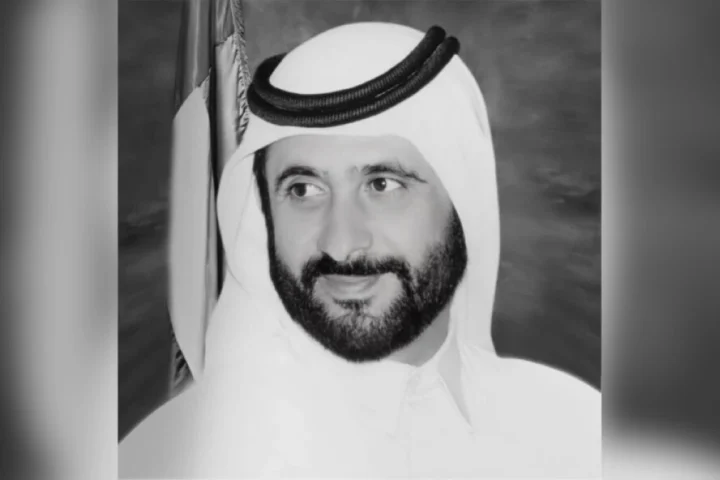
Saudi state media confirmed the execution took place on October 21, 2025. The man, identified as Abdullah al-Darwish, faced accusations of joining violent protests in the Eastern Province, a region largely inhabited by the Shiite Muslim minority. Authorities said he participated in demonstrations that led to attacks on security forces and damage to property.
However, rights groups argue that al-Darwish was only 17 years old when the protests occurred. They claim that executing him violates international law, particularly the UN Convention on the Rights of the Child, which forbids executing offenders under 18.
Rising Pattern of Executions
This incident adds to growing concern over Saudi Arabia’s frequent use of the death penalty. Activists say the government often executes individuals accused of political dissent, especially within the Shiite community. Despite promises of reform, several juvenile cases remain active under vague charges such as “disturbing public order” and “spreading chaos.”
Amnesty International called the execution “an egregious violation of human rights.” The European Union also urged Riyadh to halt executions of minors and uphold its international obligations.
Saudi Government Defends Its Actions
Saudi officials defended the execution, saying al-Darwish received a fair trial. The Ministry of Interior stated that his conviction was based on serious security offenses and that the verdict underwent multiple judicial reviews before approval by the King.
Officials rejected claims of discrimination against Shiite citizens. They argued that all legal measures apply equally to every Saudi, regardless of sect or region.
Still, human rights advocates insist that the case highlights a deeper issue. They argue that Saudi Arabia’s judiciary remains tightly controlled by the state and often silences dissent rather than upholding justice.
Global Outcry and Political Implications
The UN High Commissioner for Human Rights condemned the execution, calling it “a grave step backward.” The U.S. State Department and the European Union issued similar statements, urging Saudi Arabia to align its justice system with international human rights norms.
Human rights experts say the case exposes the limits of Crown Prince Mohammed bin Salman’s reform agenda, known as Vision 2030. While the initiative promotes economic modernization, critics claim that political repression and harsh punishments still define Saudi governance.
Background of the Case
Al-Darwish was arrested during a wave of protests in the Eastern Province several years ago. Residents of the region have long demanded equal rights, freedom of expression, and fair economic opportunities. These demonstrations, inspired by the Arab Spring in 2011, faced violent government crackdowns.
Reports suggest that authorities detained al-Darwish without access to a lawyer for months. Activists allege he suffered torture to extract confessions—claims the government denies. His family reportedly learned about his execution through the media, not through official channels.
Saudi Arabia’s Death Penalty Record
Saudi Arabia remains among the top executioners globally. The government continues to use capital punishment for offenses including murder, drug trafficking, terrorism, and political dissent.
According to rights groups, over 130 executions have occurred in 2025 alone—one of the kingdom’s highest yearly totals. Although Saudi Arabia announced in 2020 that it would stop executing minors, watchdogs say authorities still carry out such sentences under different legal interpretations.
Amnesty International and Human Rights Watch argue that these executions reveal the government’s disregard for international law. They also accuse the kingdom of using capital punishment as a tool to silence opposition.
Calls for Justice and Reform
International organizations continue to pressure Saudi Arabia to abolish the death penalty for juvenile offenders. They urge greater transparency and accountability in its legal system.
“Saudi Arabia cannot claim reform while executing people who were children when arrested,” Human Rights Watch said in a statement. “Such actions send a chilling message to anyone who dares to protest.”
Reform advocates also urge the international community to tie economic and diplomatic relations with Riyadh to measurable human rights improvements.
Conclusion
The execution of Abdullah al-Darwish has reignited debate over Saudi Arabia’s justice system and its commitment to human rights. While the government defends its right to enforce laws, critics see the act as part of a broader pattern of repression.
As outrage grows, human rights defenders are calling on Western allies—including the United States and European Union—to demand accountability. Whether global pressure will influence Saudi Arabia’s policies remains uncertain.
Yet one thing is clear: the case of Abdullah al-Darwish exposes the tension between the kingdom’s promises of reform and its continued reliance on harsh, outdated punishment methods.