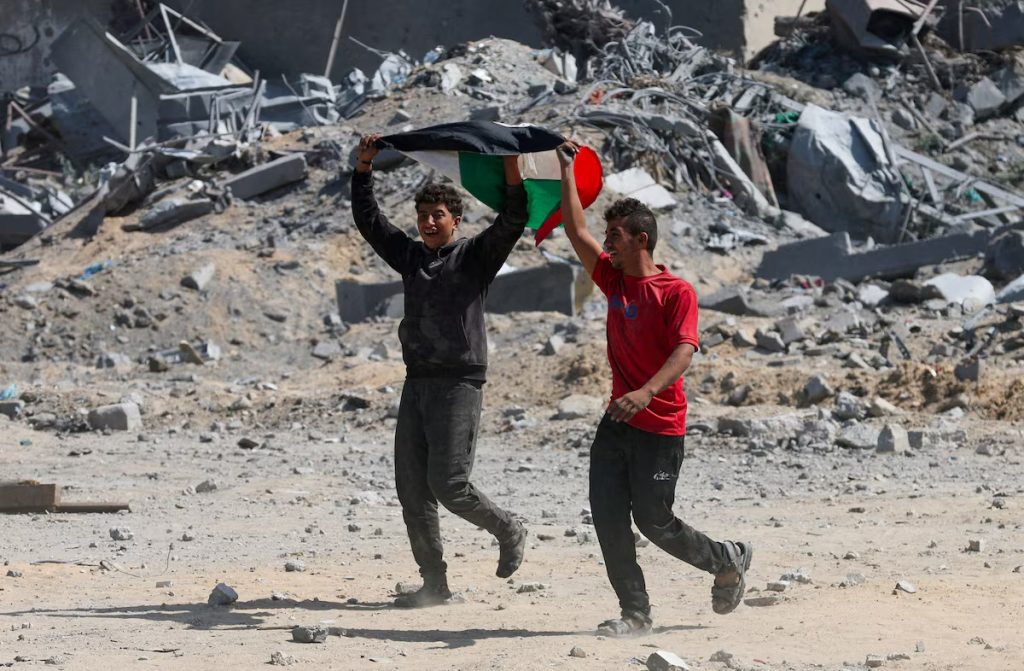
In a poignant scene of resilience and cautious relief, thousands of Palestinians began returning to their homes in Gaza minutes after a temporary ceasefire came into effect. The fragile agreement, brokered by international mediators and humanitarian organizations, offered a critical window for civilians to reclaim their lives and assess the damage caused by days of intense conflict between Israeli forces and Palestinian armed groups.
Background of the Conflict
The recent escalation in Gaza stemmed from a series of rocket attacks and retaliatory airstrikes, which intensified tensions in the region. Residential neighborhoods, schools, and infrastructure suffered extensive damage as densely populated areas became battlegrounds. Civilians—including women, children, and the elderly—bore the brunt of the violence. Thousands of residents were displaced, seeking refuge in temporary shelters or the homes of relatives outside the affected zones.
International organizations had repeatedly urged both sides to exercise restraint and ensure the protection of civilians. They emphasized the need for a humanitarian corridor to deliver essential aid such as food, water, and medical supplies. The ceasefire, although temporary, was welcomed as a crucial opportunity to prevent further civilian casualties and allow residents to reconnect with their communities.
Scenes of Return
As the ceasefire took effect, streets that had been eerily empty began to fill with cautious movement. Families returned carrying what few belongings they could salvage. Children clung to parents, navigating rubble-strewn roads and partially destroyed buildings. For many, the emotional weight of returning home after days of uncertainty mixed relief with trepidation over what awaited them.
Many residents discovered their homes partially or completely destroyed. Walls bore the marks of shrapnel and gunfire, windows shattered, and furniture overturned. Yet, despite the devastation, the determination to rebuild remained strong. “We have nowhere else to go,” said one mother holding her toddler. “This is our home, and we must return, even if only for a moment.”
Humanitarian Response
The ceasefire allowed aid agencies to mobilize critical support for returning families. Organizations such as the United Nations Relief and Works Agency (UNRWA), the Red Crescent, and local NGOs coordinated the distribution of food, water, and medical kits. Temporary shelters were reinforced to accommodate those whose homes were unsafe or destroyed.
Medical teams prepared for an expected surge in injuries and health concerns. Hospitals, already operating under extreme strain, faced shortages of electricity, water, and medical supplies. Doctors and nurses worked around the clock, treating the wounded and ensuring vulnerable populations, including children and the elderly, received adequate care.
Psychological Impact on Civilians
Beyond the physical destruction, the psychological toll on returning residents was profound. Families confronted trauma from witnessing violence, losing loved ones, and enduring prolonged fear. Mental health professionals emphasized the need for immediate counseling and support, especially for children who exhibited anxiety, withdrawal, and distress.
Community centers, schools that survived the attacks, and temporary shelters became hubs for psychosocial support. Volunteers and trained counselors offered coping strategies, focusing on resilience, hope, and maintaining family cohesion during recovery. These initiatives were crucial in helping civilians navigate the emotional aftermath of conflict.
Security Concerns Remain
Despite the ceasefire, security risks persisted. Observers cautioned that such agreements are often fragile and can break down quickly. Authorities urged civilians to remain vigilant, avoid structurally damaged buildings, and follow guidance from civil defense teams.
Both Israeli and Palestinian officials publicly committed to observing the temporary truce and refraining from further military actions during the ceasefire. Meanwhile, international mediators continued negotiations aimed at extending the truce and ensuring safe, unhindered access for humanitarian operations.
Community Resilience and Solidarity
Stories of solidarity emerged as residents returned. Neighbors helped each other clear debris, salvage belongings, and provide food and shelter for those most affected. Religious leaders and community elders offered guidance and reassurance, helping to maintain hope amid the destruction.
Local schools reopened in a limited capacity, providing a sense of normalcy for children. Parents and teachers emphasized the importance of continuing education, even in temporary shelters, as a way to restore routine and stability.
International Reactions
The ceasefire and civilian return drew global attention. United Nations officials called for a sustained truce and emphasized the protection of civilians as a priority. Human rights organizations raised concerns over potential violations of international law and called for accountability for actions that led to civilian casualties and the destruction of essential infrastructure.
Several countries pledged humanitarian aid, including food, medical support, and funds to help rebuild homes. Experts, however, warned that short-term relief must be paired with long-term reconstruction, mental health care, and economic recovery programs to ensure sustainable relief for the affected population.
Challenges Ahead
While the ceasefire offered a temporary reprieve, challenges remain immense. Families must rebuild homes, restore essential services, and recover psychologically. Humanitarian organizations stressed the need for strategic coordination between local authorities, aid agencies, and international partners to address both immediate and long-term needs.
Symbolism and Hope
The return of Palestinians to Gaza City is symbolic of resilience amid adversity. Each family reclaiming their home, even briefly, embodies the human desire to rebuild and endure despite ongoing threats. For residents, the ceasefire represents more than a pause in violence—it is a chance to take the first steps toward recovery and hope.
Looking Forward
Authorities and humanitarian organizations continue to coordinate relief efforts while emphasizing security and safety. Extending the ceasefire remains a priority, with international mediators working to create conditions for a longer-term truce.
The global community has been urged to maintain focus on Gaza, not only providing humanitarian support but also advocating for a lasting solution to the underlying conflict. For many civilians, safety, stability, and access to basic necessities remain pressing concerns.
Conclusion
Thousands of Palestinians returning home after the ceasefire is a testament to courage, resilience, and the unyielding human spirit. While the road to recovery will be long and fraught with challenges, the temporary truce allows families to reconnect with their communities and begin the process of rebuilding.
The situation underscores the urgent need for continued diplomatic efforts, humanitarian assistance, and community solidarity. As Gaza residents navigate the aftermath of conflict, each return home represents a step toward healing, resilience, and the hope for a more secure future.