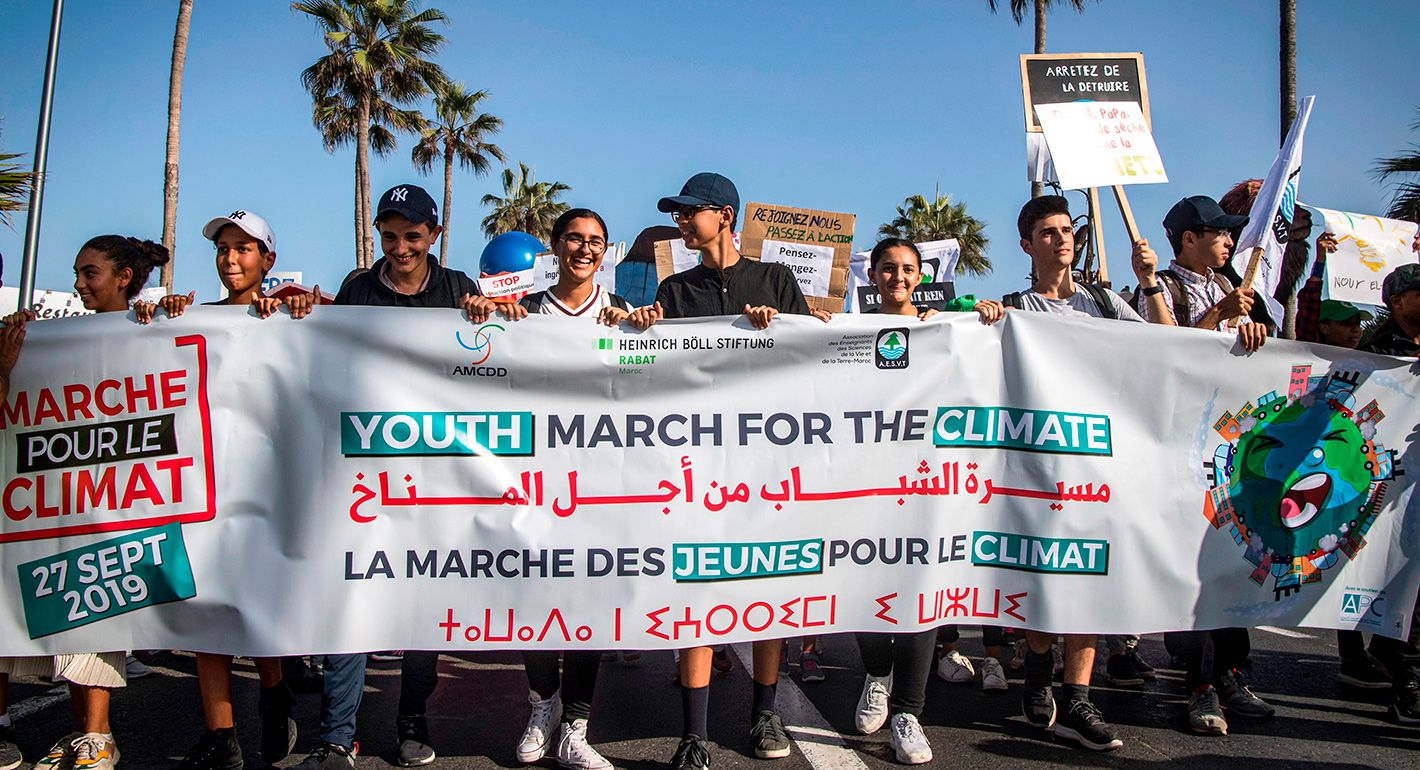
Arab youth across the Middle East and North Africa (MENA) have demonstrated remarkable activism in response to climate change. However, recent analyses suggest that traditional mass mobilization may not be the most effective strategy for combating climate change in the region. Instead, targeted, policy-focused approaches are emerging as more impactful avenues for youth engagement.
The Rise of Youth Climate Activism in MENA
The Arab Youth Climate Movement (AYCM), established in 2012 during the COP18 conference in Doha, Qatar, serves as a prominent example of youth-led environmental advocacy. This movement has expanded across over 15 Arab countries, organizing events, educational campaigns, and policy dialogues to raise awareness about climate issues. Similarly, the Arab Youth Council for Climate Change, launched by the Arab Youth Center, aims to empower youth by providing a platform for involvement in climate policy discussions and initiatives.
These efforts reflect a growing recognition among young Arabs of the urgent need to address environmental challenges. For instance, in Morocco, the “Gen Z 212” movement has mobilized youth to demand better healthcare, education, and employment opportunities, highlighting the intersection of climate issues with broader social concerns. Protests organized through platforms like TikTok and Discord have underscored the desire for systemic change beyond mere infrastructural development.
Limitations of Mass Mobilization
Despite the enthusiasm and commitment demonstrated by youth activists, mass mobilization has its limitations in the context of climate change. Large-scale protests can face suppression by authorities, as seen in various instances across the region. Moreover, such movements often struggle to translate public demonstrations into concrete policy changes.
Experts argue that while public demonstrations can raise awareness, they are insufficient on their own to drive the systemic changes needed to address climate change. Instead, a more effective approach involves targeted advocacy, policy engagement, and collaboration with various stakeholders, including governments, international organizations, and the private sector.
Emerging Strategies for Effective Youth Engagement
Recognizing these challenges, Arab youth are increasingly adopting alternative strategies to influence climate policy. These include:
- Policy Advocacy: Engaging directly with policymakers to advocate for climate-friendly policies and practices.
- Community-Based Initiatives: Implementing local projects that demonstrate sustainable practices and serve as models for broader adoption.
- Educational Campaigns: Raising awareness about climate change through workshops, seminars, and media outreach.
- Collaboration with International Bodies: Partnering with organizations like the United Nations to influence global climate agendas.
For example, the Arab Youth Climate Movement Qatar has focused on research and policy analysis to inform sustainable development strategies in the region.
Conclusion
While mass mobilization has played a significant role in highlighting climate issues in the MENA region, it is increasingly clear that such approaches must be complemented by targeted, policy-oriented strategies to effect meaningful change. By focusing on advocacy, education, and collaboration, Arab youth can contribute more effectively to the global effort to combat climate change.