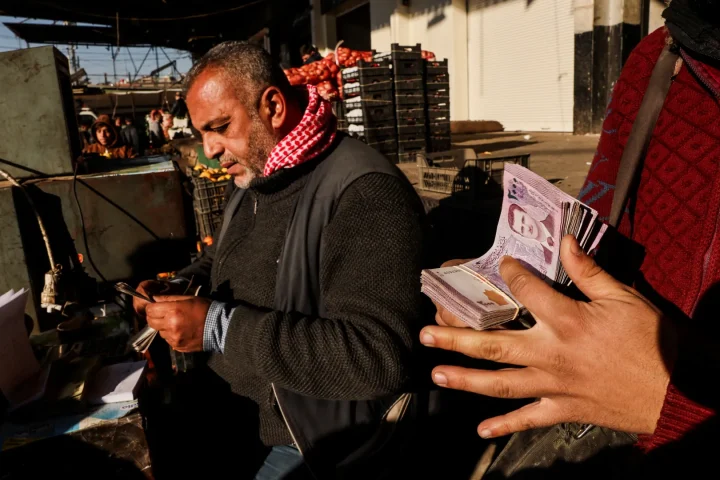
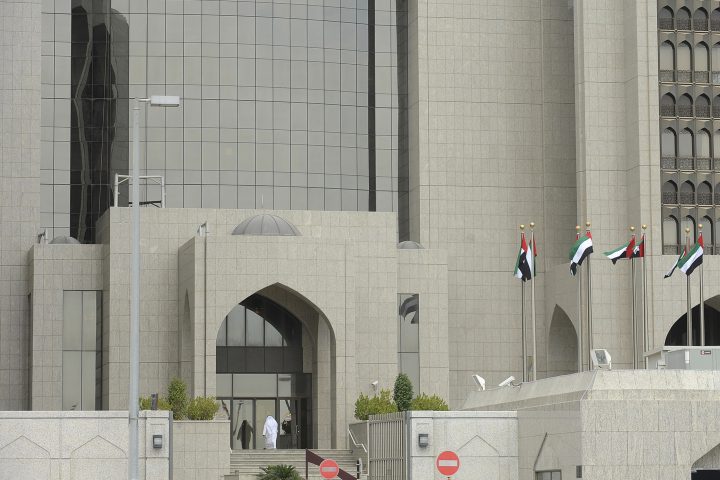
The Saudi Currency, officially called the Saudi Riyal (SAR), is the national currency of the Kingdom of Saudi Arabia. On February 20, 2025, King Salman Bin Abdulaziz Al Saud approved the official symbol of the Saudi Riyal, inspired by Arabic calligraphy. The symbol is now adopted across financial and commercial transactions at local, regional, and international levels.
Saudi Arabia first coined its national currency in 1925 with denominations of quarter and half Qirsh. By 1935, the first Riyal carrying the name Kingdom of Saudi Arabia was introduced. The Saudi Central Bank (formerly SAMA) was later established in 1952 to regulate financial and monetary affairs, marking a turning point in the history of the Saudi Riyal.
Early History of the Saudi Currency
Before 1902, Saudi monetary transactions were unstructured, relying on barter trade and foreign currencies such as:
- The Austrian Taler (Maria Theresien Dollar), known locally as Al-Riyal Al-Fransi.
- The British Pound (Jineah George), also called Jineah Abu Khiyal due to its equestrian design.
- The Indian Rupee, the Egyptian Qirsh, and coins from neighboring countries and East Asia.
To stabilize monetary conditions, King Abdulaziz stamped the word Najd and later Hejaz on foreign coins in circulation, making them officially recognized currencies before the introduction of locally minted coins.
Establishment of the Saudi Arabian Monetary Agency (SAMA)
In 1952, King Abdulaziz approved the creation of SAMA, the second oldest central bank in the Arab world. Its responsibilities included stabilizing the currency, issuing banknotes and coins, and supervising the banking sector.
- The first Pilgrim Receipts were issued in 1953, denominated at SAR10, SAR5, and SAR1.
- They were printed in multiple languages including Arabic, English, Urdu, Turkish, and Persian, and became widely accepted due to their portability and reliability.
Saudi Currency Issuances
Saudi Arabia has launched six major issuances of currency since 1961.
- First Issuance (1961): Paper notes in denominations of SAR100, SAR50, SAR10, SAR5, and SAR1.
- Second Issuance (1971): Introduction of updated security and design elements.
- Third Issuance (King Khalid’s reign): Featured the first portraits of Saudi kings on banknotes.
- Fourth Issuance (King Fahd’s reign): Added the SAR500 note for the first time.
- Fifth Issuance (King Abdullah’s reign): Introduced advanced anti-counterfeit security features.
- Sixth Issuance (King Salman’s reign, 2016): Included polymer banknotes, commemorative denominations, and updated coins.
Sixth Issuance under King Salman
The sixth issuance, launched in 2016 under the theme “Trust and Security,” included:
- Banknotes: SAR500, SAR200, SAR100, SAR50, SAR10, SAR5.
- Coins: SAR2, SAR1, and halala coins down to one halala.
- Polymer Banknotes: In 2020, SAR5 polymer notes were introduced, followed by SAR200 and SAR20 notes commemorating Vision 2030 and Saudi Arabia’s G20 Presidency.
Notable features:
- SAR500 note: King Abdulaziz’s portrait with Al-Kaaba.
- SAR200 note: Vision 2030 logo with Qasr Al-Hukm.
- SAR100 note: King Salman with the Prophet’s Mosque.
Commemorative Issues
Saudi Arabia has issued commemorative notes and coins to mark national and international milestones, including:
- Centennial of Saudi Arabia (1999): SAR200 and SAR20 notes.
- G20 Presidency (2020): SAR20 banknote with a world map.
Security Features
Modern Saudi banknotes are embedded with advanced security measures such as:
- Three-dimensional security strips.
- Raised printing and tactile features for the visually impaired.
- Fluorescent UV patterns.
- Transparent polymer windows on selected notes.
These features protect the Saudi Riyal from counterfeiting and enhance trust in the national currency.
Saudi Central Bank (SAMA)
Formerly known as the Saudi Arabian Monetary Agency, the Saudi Central Bank is the authority responsible for:
- Issuing and managing currency.
- Regulating banks and financial institutions.
- Managing monetary policy and foreign reserves.
- Supervising insurance and finance companies.
SAMA was renamed to the Saudi Central Bank by royal decree on November 24, 2020, while retaining its abbreviation (SAMA).
The Saudi Currency Today
The Saudi Riyal (SAR) remains a symbol of national sovereignty and economic stability. The adoption of its official symbol in 2025 reflects its growing importance in regional and international markets. Supported by the Saudi Central Bank, the Riyal continues to evolve through innovation, commemorative issues, and enhanced security features, making it a trusted and globally recognized currency.