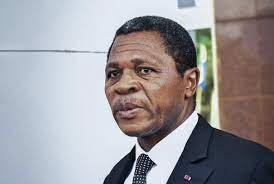
Cameroon is reeling from a wave of public anger and unanswered questions following the shocking death of a renowned 74-year-old opposition firebrand who passed away while in government custody. The veteran political figure, long known for his fearless criticism of state excesses, was reportedly being held at a detention facility in Yaoundé when he died under circumstances many describe as deeply troubling.
According to family members and supporters, the opposition leader had been ill for weeks, yet they claim he was denied adequate medical attention despite repeated appeals. His unexpected death has amplified long-standing concerns about the government’s treatment of political detainees, especially those aligned with opposition movements in the country’s tumultuous political landscape.
A Voice That Refused to Be Silenced
For decades, the late activist earned a reputation as one of Cameroon’s most outspoken critics of corruption, authoritarianism, and human rights violations. His fiery speeches and relentless advocacy made him a symbol of resistance for many Cameroonians frustrated with entrenched political stagnation. Even in his later years, he remained unwavering in calling for electoral reforms, transparency, and democratic freedoms.
His arrest earlier this year was widely condemned by civil society groups and international observers, who accused authorities of targeting him for his political influence rather than any criminal wrongdoing. Many activists maintain that his detention reflected a broader pattern of repression against dissenting voices.
Public Outrage and Demands for Accountability
News of his death sparked immediate outrage across the country, with citizens taking to social media and the streets to demand an independent investigation. Opposition parties have called the incident “state-induced negligence,” arguing that his detention and the alleged denial of appropriate medical care amount to a violation of fundamental human rights.
Human rights organizations have echoed these demands, insisting that the government must release a transparent account of the events leading to his death. Several groups have also renewed their calls for broader reforms of Cameroon’s justice and prison systems, which have faced longstanding criticism for overcrowding, poor conditions, and systemic abuse.
Government Response Under Scrutiny
The government has yet to release a comprehensive statement detailing the cause of death, a silence that has only deepened public suspicion. Officials have urged citizens to remain calm while authorities conduct an internal review, but critics argue that only an independent, internationally supervised investigation will restore public trust.
Political analysts warn that the incident may further inflame tensions in a country already grappling with regional conflicts, economic struggles, and a highly polarized political climate. For many, this latest tragedy highlights the urgent need for dialogue, reform, and respect for democratic principles.
A Legacy That Will Not Be Forgotten
Despite the controversy surrounding his passing, supporters say his legacy will endure. They remember him as a fearless advocate who spent his life demanding better governance and refusing to compromise his ideals. Vigils and memorials are already being planned across major cities, as citizens honor a man whose voice resonated far beyond political divides.
As the nation awaits answers, one thing is clear: his death has reignited a fierce national conversation about justice, accountability, and the future of political freedom in Cameroon.