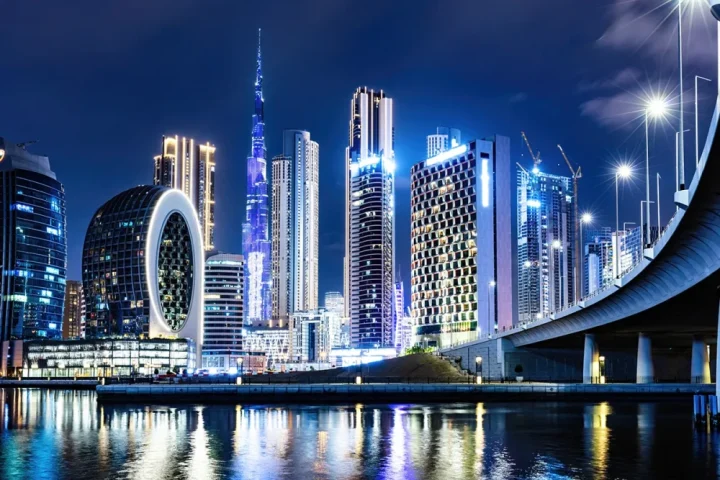
Qatar’s construction sector is undergoing a major transformation, balancing economic diversification, technological innovation, and sustainability, according to a new report by global professional services firm Turner & Townsend.
The Qatar Market Intelligence 2025 report details how the country is leveraging its infrastructure drive to become a regional hub for finance, education, tourism, and sports—key pillars of the Qatar National Vision 2030.
Despite Doha ranking as the second most expensive city to build in across the Middle East—with an average construction cost of $2,631 per sqm—Qatar enjoys one of the lowest inflation rates in the GCC. This indicates strong fiscal management, and analysts expect the Qatari economy to double by 2031, restoring revenues to levels not seen since before the 2014 oil price collapse.
New Development Strategy Spurs Construction
Qatar’s Third National Development Strategy (2024–2030) is at the heart of this transition. It positions the construction sector as a catalyst for economic resilience. This is complemented by government support through the Ministry of Commerce and Industry, which is fostering public-private partnerships and encouraging foreign direct investment.
Improved tendering conditions—with fewer but more qualified bidders—are now contributing to a more stable and competitive pricing environment.
LNG, Green Bonds, and Tourism Fuel Growth
A key pillar of Qatar’s continued growth is its energy sector, particularly the liquefied natural gas (LNG) pipeline expansion, which will increase national capacity by around one-third.
In addition, the issuance of $2.5 billion in green bonds will finance renewable energy and sustainable infrastructure projects, aligning with national goals for low-carbon development.
Tourism is also playing a vital role. In the wake of the 2022 FIFA World Cup, Qatar anticipates 3.5 million visitors in 2025, with an ambitious goal of 6 million by 2030. This surge is fueling demand for hospitality and real estate developments.
Challenges: Labor, Logistics, and Regional Competition
Despite the optimism, Qatar faces significant headwinds. Saudi Arabia’s infrastructure boom is intensifying competition for skilled labor, pushing up delivery costs. Additionally, high global shipping fees and limited local manufacturing are inflating tender prices, even as domestic production slowly improves.
Michael Brady, Director at Turner & Townsend, commented:
“Qatar’s construction market is at a pivotal moment. While the sector faces cost and capacity challenges, the country’s long-term vision and strategic investments are creating a resilient and forward-looking industry.”
He added:
“The focus on sustainability, innovation, and economic diversification—including digital and infrastructure advancement—is setting the stage for a new era of growth.”
“To stay competitive, stakeholders must adapt to evolving market dynamics, embrace digital transformation, and build stronger supply chain resilience.”
Source: The Arabian Wall Street